Georgetown Descendants Reignite Fight to Preserve Historic Black Cemeteries in D.C.
Share this article
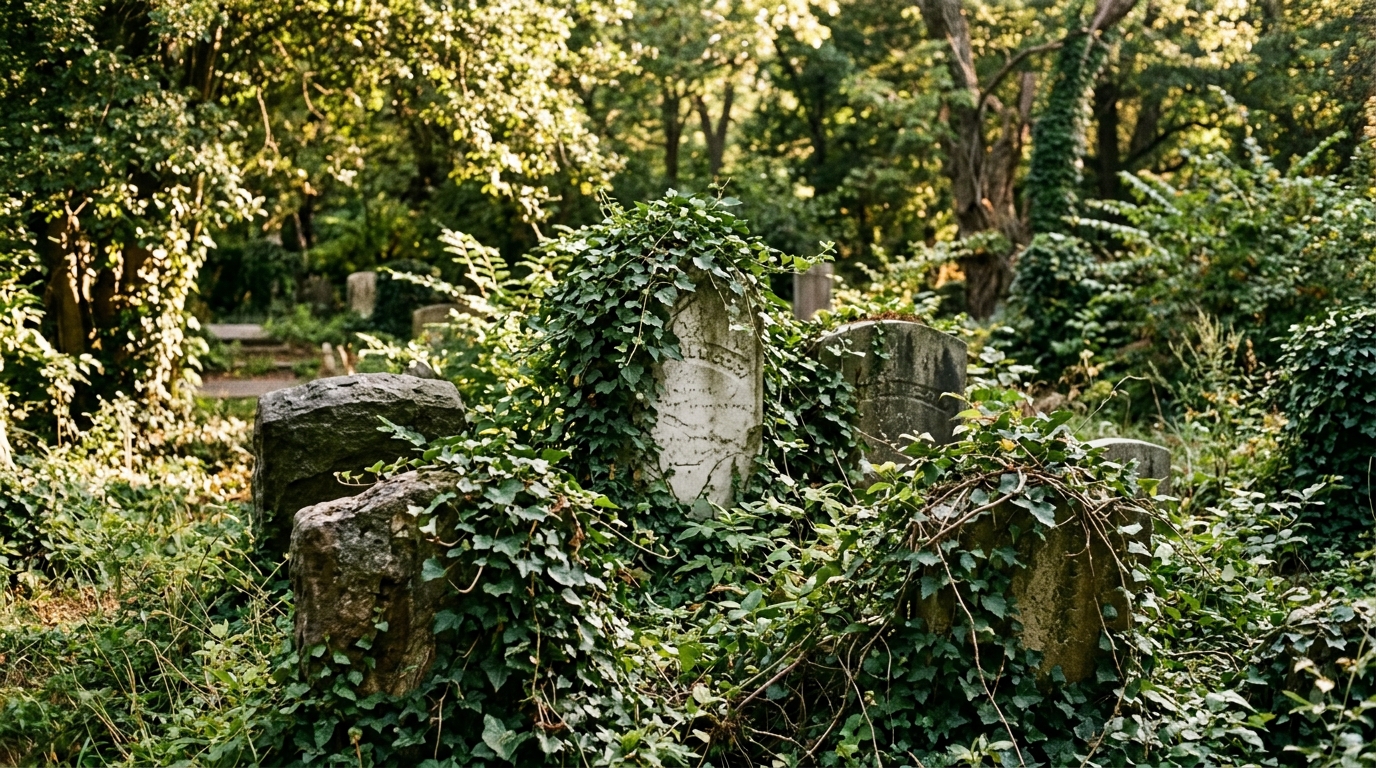
In the historic streets of Georgetown, a decades-long struggle to safeguard vital pieces of Washington, D.C.'s Black heritage is intensifying. Descendants of those laid to rest in the Mount Zion Cemetery and the Female Union Band Society Cemetery are renewing their efforts to preserve these sacred grounds, which tell the story of a community that shaped the neighborhood formerly known as Black Georgetown.
For more than sixty years, a dedicated group of descendants and their allies have championed the cause of these two adjacent cemeteries, striving to protect them from neglect, encroachment, and the slow erosion of memory. Their fight underscores a broader narrative of preserving African American history and ensuring that the contributions of early Black residents in the nation's capital are never forgotten. These cemeteries are not merely burial sites; they are profound historical documents, embodying the lives, struggles, and resilience of a community that played a pivotal role in Georgetown's development.
A Legacy Etched in Stone: Mount Zion and Female Union Band Society
Mount Zion Cemetery, established in 1808, stands as one of the oldest African American cemeteries in Washington, D.C. It served as the primary burial ground for members of the Mount Zion United Methodist Church, a cornerstone institution of Georgetown's Black community. Adjacent to it lies the Female Union Band Society Cemetery, founded in 1842 by a mutual aid society of free Black women. This society provided burial insurance and social support to its members, highlighting the self-sufficiency and communal bonds within the antebellum and post-Civil War Black population.
The intertwined histories of these two sites reflect the vibrant and complex life of Black Georgetown. From formerly enslaved individuals who found freedom in the District to prominent community leaders, artisans, and laborers, the cemeteries hold the stories of generations. They offer a tangible connection to a past often overlooked in mainstream historical narratives, providing critical insights into the social structures, religious practices, and economic lives of African Americans in the early District.
The Ongoing Battle for Preservation
The renewed push for preservation comes as urban development pressures and the passage of time continue to challenge the integrity of historic sites across the DMV region. For Mount Zion and Female Union Band Society cemeteries, the battle has been multi-faceted, involving efforts to secure funding for restoration, prevent further deterioration, and raise public awareness about their immense historical value. This long-standing advocacy effort has been consistently championed by descendants who view the cemeteries as direct links to their family histories and the collective heritage of African Americans in D.C.
Preserving these sites often requires extensive resources for landscape maintenance, grave marker repair, and archaeological assessment. Advocacy groups and community organizations frequently partner with descendants to navigate the complexities of historic preservation laws and secure grants. The D.C. Historic Preservation Office plays a crucial role in identifying and protecting such landmarks, but local community engagement remains paramount for sustained success.
Why These Cemeteries Matter to D.C.
The significance of Mount Zion and Female Union Band Society cemeteries extends beyond their immediate historical context. They serve as powerful educational tools, offering a window into the lives of people who contributed significantly to the fabric of Washington, D.C., but whose stories are often marginalized. These sites provide invaluable primary source material for historians, genealogists, and students, helping to reconstruct forgotten narratives and ensure a more complete understanding of American history.
Furthermore, their preservation is a matter of cultural equity and justice. By protecting these cemeteries, the District acknowledges the profound contributions of its Black residents and confronts historical injustices that often led to the neglect or erasure of their heritage. This effort aligns with broader movements to recognize and honor the diverse histories that comprise the nation's capital.
The fight for these cemeteries is a testament to the enduring power of community and memory. As descendants continue their advocacy, they remind Washingtonians that history is not just found in monuments and museums, but also in the quiet dignity of sacred resting places. Supporting these preservation efforts means investing in a more inclusive and truthful understanding of the District's past and present.
📍 Local Resources
Managed by the Mount Zion United Methodist Church, this site is a focal point for preservation efforts. Contact for historical tours, volunteer opportunities, or to support maintenance.
Provides guidance and resources for preserving historic properties and archaeological sites in the District of Columbia. Offers information on grants and landmark designations.
While not directly managing the cemeteries, the museum offers extensive resources on African American history in D.C. and can provide context and connections for those interested in supporting historical preservation efforts.