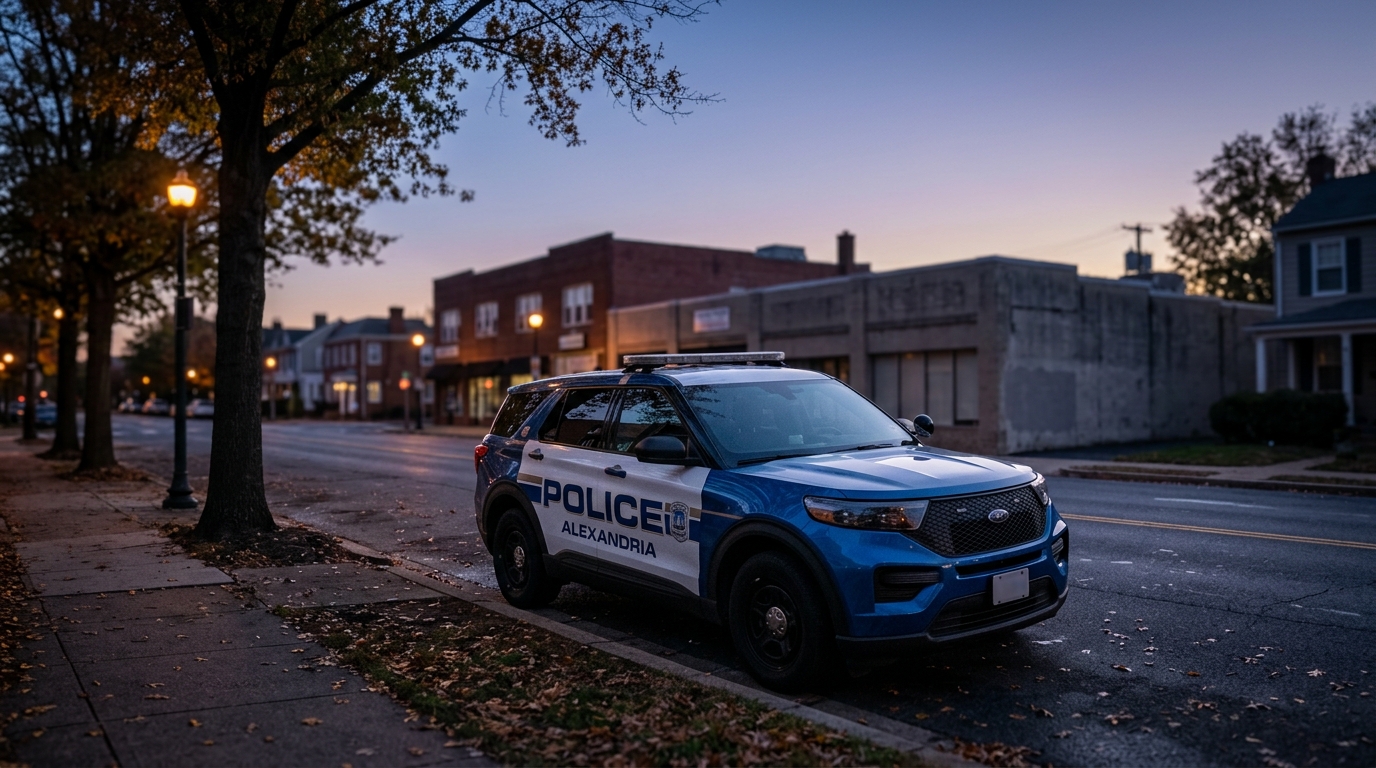
For more than two decades, a man once condemned to death for a 2001 murder in Northern Virginia has lived within the confines of the state's most secure prisons. Now, in a dramatic turn that underscores the enduring complexities of the justice system, he is a free man. This rare outcome stems from a recently accepted plea agreement, closing a chapter on a case that has spanned generations and raised profound questions about justice, appeals, and the finality of conviction in the Commonwealth. The specifics of this decades-long legal battle, including the inmate's name and the precise location within Northern Virginia, were not immediately detailed in the initial report. However, the core fact remains: an individual who once faced execution for a "drug-related murder" committed over two decades ago has been released from custody following a plea deal
[1]. Such a development is exceedingly uncommon, particularly for someone who reached death row, and it signals a significant shift in a very old case.
A former death row inmate, convicted in a 2001 Northern Virginia murder, has been freed from prison under a plea deal after more than two decades.
### A Decades-Long Legal Saga Culminates The journey from a 2001 murder conviction to freedom under a plea deal in 2024 is a testament to the arduous and often protracted nature of capital punishment cases. While the initial report is sparse on specifics, the very existence of a "former death row inmate" implies a conviction, a sentence of death, and a subsequent legal process that either overturned or significantly challenged that initial sentence. The original crime, a "drug-related murder" in Northern Virginia, would have been investigated by local law enforcement agencies and prosecuted by a Commonwealth's Attorney's office. Capital cases are among the most resource-intensive and legally complex, often involving extensive investigations, lengthy trials, and multiple layers of appeals. For an individual to spend more than 20 years on death row means their case likely navigated the full spectrum of state and federal courts, challenging every aspect of the original conviction and sentencing. ### Understanding the Plea Deal that Led to Freedom The decision to offer and accept a plea deal in a case this old, especially one involving a death row conviction, is not made lightly. Plea agreements are fundamental to the American justice system, allowing defendants to plead guilty to lesser charges or receive reduced sentences in exchange for foregoing a trial. In cases that have languished for decades, or where new evidence, legal rulings, or prosecutorial reassessments come to light, a plea deal can become a pragmatic solution for all parties involved. Typically, a plea bargain might be struck for several reasons:
* **New Evidence:** DNA evidence, recanted testimony, or previously undiscovered documents could cast doubt on the original conviction.
* **Legal Errors:** Appellate courts might have found errors in the original trial, such as improper jury instructions, suppressed evidence, or ineffective assistance of counsel, necessitating a new trial or a re-evaluation of the case.
* **Witness Issues:** Over 20 years, witnesses may have died, disappeared, or their memories may have faded, making a retrial challenging for the prosecution.
* **Resource Management:** Retrying a complex, decades-old capital case is incredibly expensive and time-consuming for the state. A plea deal can save significant taxpayer money and judicial resources.
* **Risk Mitigation:** Prosecutors might offer a plea to ensure some form of conviction, rather than risk a full acquittal if a new trial were to proceed. While the precise terms of this specific plea deal remain under wraps for now, it's clear that it resulted in the inmate's immediate release, suggesting that the agreed-upon sentence was either time-served or a significantly reduced term. The Virginia criminal justice system, like all others, allows for such agreements, balancing the pursuit of justice with the realities of evidence and legal precedent
Virginia's Judicial System. ### The Complexities of Death Row and Appeals in Virginia Virginia has a notable history with capital punishment, having carried out more executions than any other state since the Supreme Court reinstated the death penalty in 1976, prior to its abolition in 2021. For an individual to be sentenced to death in Virginia, the prosecution had to prove beyond a reasonable doubt that the defendant committed a capital offense and that specific aggravating factors were present, such as future dangerousness or the vileness of the crime. The path from a death sentence to freedom is extraordinarily rare. It typically involves a labyrinthine appeals process, starting with direct appeals to the Virginia Supreme Court, followed by state habeas corpus petitions, and potentially federal habeas corpus petitions in U.S. District Courts and the U.S. Court of Appeals for the Fourth Circuit, and even the U.S. Supreme Court. Each stage allows for the review of legal errors, constitutional violations, and, in some cases, claims of actual innocence. The existence of such a long-standing death row case highlights the legal safeguards, however imperfect, designed to ensure justice. The
U.S. Attorney's Office for the Eastern District of Virginia, which covers much of Northern Virginia, would have had oversight on any federal appeals. The abolition of the death penalty in Virginia in 2021 by the General Assembly, though not directly impacting a former death row inmate's plea deal, contextualizes the evolving legal landscape surrounding capital cases in the Commonwealth
University of Virginia School of Law. ### Impact on the Justice System and Public Perception The release of a death row inmate, particularly after two decades, inevitably sends ripples through the justice system and impacts public perception. For the victim's family, whose lives were irrevocably altered by the 2001 murder, this development can reopen old wounds and raise difficult questions about accountability and closure. The emotional toll of such a protracted legal process, culminating in the release of the convicted individual, is immense. For the wider community, especially in Northern Virginia where the crime occurred, such a case can prompt a re-examination of the reliability of initial convictions and the fairness of the legal process. It reinforces the idea that justice is not always swift or final and that cases can evolve significantly over time. While rare, these outcomes highlight the system's capacity for self-correction, even if it takes many years. It also underscores the crucial role of appellate courts and post-conviction relief in ensuring that wrongful convictions are identified and addressed. ### What This Means for Northern Virginia This development directly affects Northern Virginia residents by reminding them of the profound and sometimes unpredictable outcomes within their local justice system. While the specific Northern Virginia jurisdiction (e.g., Fairfax County, Arlington County, Alexandria) has not been named in the initial report, the case originated in this densely populated, diverse region. Decisions made in local courthouses, from the initial arrest to the final plea deal, have lasting implications for public safety, victims' families, and the integrity of the legal process. Residents might wonder about the specifics of the evidence that led to this plea, or if there were any missteps in the original investigation or trial. Such cases encourage a deeper understanding of how the legal system functions, the checks and balances in place, and the ongoing efforts to ensure justice is served fairly and accurately. Staying informed about local court proceedings and the work of Commonwealth's Attorneys' offices is one way for residents to engage with these critical issues. The full story behind this former death row inmate's release will likely unfold in the coming days and weeks as more details emerge from court records or official statements. For now, it stands as a powerful reminder of the long arc of justice and the complex human and legal dynamics that shape outcomes in even the most severe criminal cases.
📍 Local Resources
Virginia Victims Fund
Provides financial assistance and support to victims of crime in Virginia, including counseling, medical expenses, and loss of wages.
🕐 Hours: Mon-Fri 8:30am-4:30pm
Legal Aid Justice Center (Northern Virginia Office)
Offers legal assistance to low-income individuals and families, including criminal justice advocacy and civil rights work.
📍 Location: 6066 Leesburg Pike, Suite 230, Falls Church, VA 22041
Virginia Department of Corrections (VDOC)
Provides information on offender services, correctional facilities, and the state's correctional system.