Community
Arlington County
Former DC Mayor Anthony Williams Reflects on Enduring Legacy of 9/11 for the Capital Region
Share this article
Advertisement
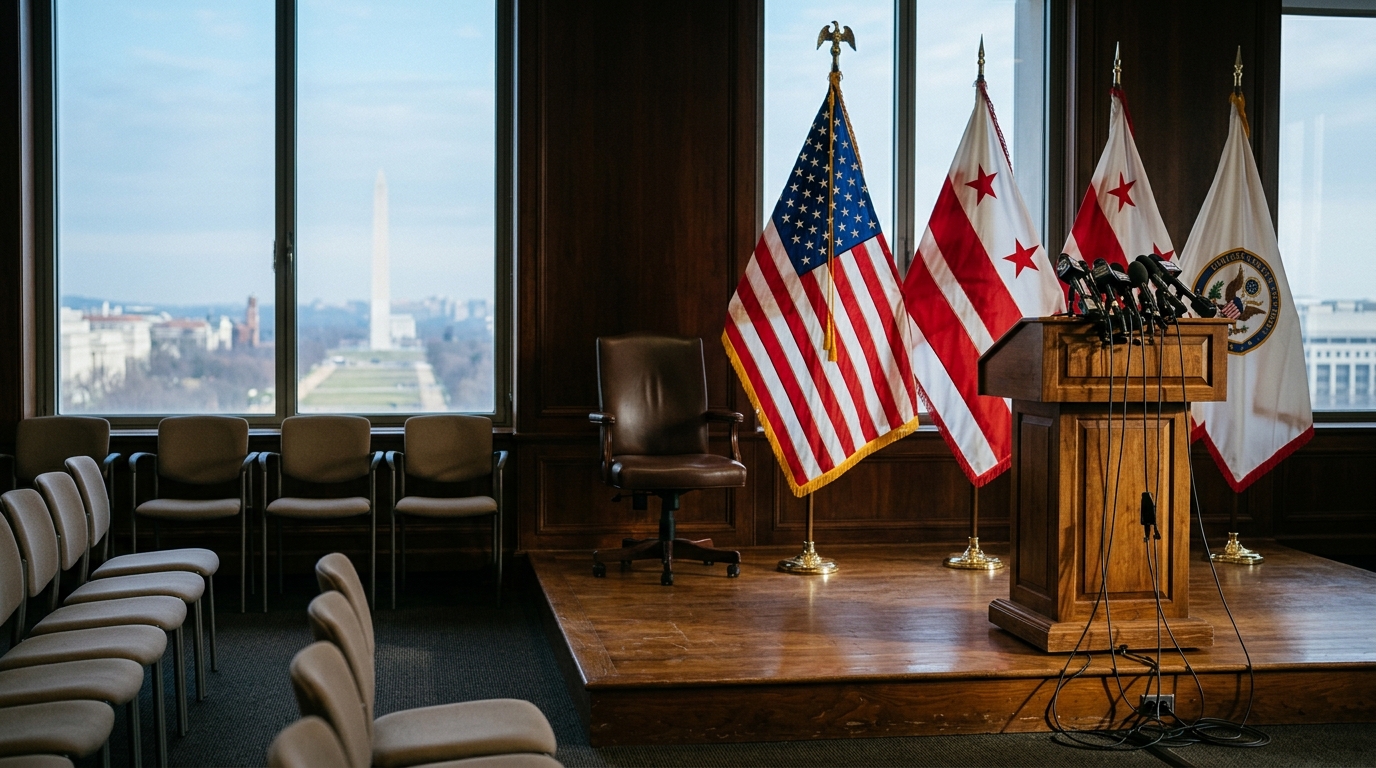
More than two decades after the devastating attacks of September 11, 2001, former Washington, D.C. Mayor Anthony Williams has offered reflections on that pivotal day and its lasting impact on the nation's capital and the wider DMV area. As the city's leader during an unprecedented crisis, Williams' perspective offers a vital link to a moment that reshaped security, community, and governance across the region. The attacks, which saw a hijacked plane strike the Pentagon just across the Potomac in Arlington, Virginia, brought the reality of terrorism chillingly close to the heart of American power. For Mayor Williams, who served from 1999 to 2007, the day was an immediate test of leadership, demanding swift action and unwavering resolve as the city grappled with fear, uncertainty, and the immediate aftermath of an attack on its doorstep. ### A City Under Siege: Leading Through Crisis On September 11, 2001, Washington, D.C., found itself in the direct line of fire. The attack on the Pentagon, a mere few miles from the White House and the U.S. Capitol, triggered immediate and widespread panic. Federal buildings were evacuated, airspace was cleared, and the city's infrastructure braced for the unknown. Mayor Williams' administration faced the monumental task of coordinating emergency services, ensuring public safety, and providing reassurance to a shaken populace. The immediate hours and days following the attacks saw D.C.'s emergency responders working tirelessly. Hospitals prepared for mass casualties, while law enforcement secured critical infrastructure. The D.C. Fire and EMS Department, alongside federal and local agencies, played a crucial role in managing the chaos and providing aid. This period forged a profound sense of unity, but also highlighted the vulnerabilities of a city often seen as impenetrable.
As the region continues to evolve, the insights from leaders like former Mayor Williams serve as a crucial touchstone for understanding how the DMV has confronted and overcome significant historical challenges. Residents can continue to reflect on the events of 9/11 by visiting local memorials and engaging with community remembrance efforts.
The attacks of September 11, 2001, transformed Washington, D.C., from a center of governance into a frontline community, demanding an immediate and coordinated response from local leadership.
### The Pentagon: A Local Tragedy, A National Symbol While the World Trade Center in New York City bore the brunt of the attacks in terms of casualties, the Pentagon attack profoundly impacted the DMV. The iconic five-sided building, a symbol of American military might, became a scene of devastation. First responders from Arlington County, Fairfax County, and Washington, D.C., converged on the site, demonstrating remarkable inter-jurisdictional cooperation. The human toll was immense, with 184 lives lost at the Pentagon, including passengers on American Airlines Flight 77 and military and civilian personnel within the building. The proximity of the attack meant that many DMV residents personally knew victims or were directly affected by the chaos. Schools went into lockdown, parents rushed to pick up children, and traffic ground to a halt as people sought safety or tried to reach loved ones. The experience etched itself into the collective memory of the region, fundamentally altering how locals perceived their home. ### Enduring Legacy: Security, Resilience, and Community Mayor Williams' reflections, though their specific details were not publicly disclosed in the provided source NBC Washington, undoubtedly touch upon the profound shifts that occurred in the DMV post-9/11. Security measures dramatically increased around federal buildings, monuments, and transportation hubs. What was once a relatively open city became a fortress, with new barriers, checkpoints, and surveillance becoming commonplace. This transformation, while necessary for safety, also changed the everyday experience of living and working in the capital. Beyond security, 9/11 fostered a deep sense of community resilience. Residents rallied, volunteers stepped forward, and the spirit of mutual support became palpable. The attacks underscored the vital role of local governance and the critical need for seamless coordination between city, county, state, and federal agencies. This experience led to significant advancements in emergency preparedness and inter-agency communication, lessons that continue to shape the region's response to crises today. For many who lived and worked in the DMV during that time, September 11th remains a vivid memory. The sound of fighter jets patrolling the skies, the sight of smoke rising from the Pentagon, and the collective grief are moments that shaped a generation. Former Mayor Williams' decision to reflect on this period serves as a powerful reminder of the sacrifices made and the enduring strength of the community. The former mayor's tenure was marked by significant urban revitalization efforts, but the shadow of 9/11 undeniably became a defining element of his time in office. His leadership during such a traumatic event helped guide the city through its darkest hours, laying the groundwork for recovery and adaptation. Understanding the challenges faced by leaders like Mayor Williams on that day is crucial for appreciating the ongoing evolution of the DMV region. The memory of 9/11 continues to influence policy, infrastructure, and community engagement throughout the DMV. From enhanced public safety protocols to the annual commemorations at the National 9/11 Pentagon Memorial, the attacks are a permanent part of the region's historical fabric. Mayor Williams' reflections underscore the importance of remembering not just the tragedy, but also the resilience and unity that emerged from it. As the years pass, the reflections of leaders who navigated such moments become invaluable historical records, offering insights into how communities confront and overcome profound adversity. The legacy of 9/11 in the DMV is one of enduring vigilance, community strength, and a deep appreciation for the interconnectedness of local and national security. 📍 Local Resources
National 9/11 Pentagon Memorial
A permanent outdoor memorial dedicated to the 184 victims of the September 11, 2001, attack on the Pentagon.
DC Homeland Security and Emergency Management Agency (HSEMA)
Provides emergency preparedness information, alerts, and resources for District residents.
📞 Phone: (202) 727-6161
🌐 Website: hsema.dc.gov
📍 Location: 2720 Martin Luther King Jr Ave SE, Washington, DC 20032
Arlington County Office of Emergency Management
Offers resources and information for emergency preparedness specific to Arlington County, site of the Pentagon attack.
📞 Phone: (703) 228-7200
🌐 Website: arlingtonva.us/OEM
📍 Location: 1425 N Courthouse Rd, Arlington, VA 22201
Advertisement
Explore more on this topic
Related Stories
Community
DMV Energy Providers Offer Home Checkups to Combat Rising Utility Bills in Maryland and Virginia
Montgomery County·Community
43 minutes ago4 min read
Community
DC Library Prepares for Significant Makeover in Southeast Neighborhoods
Howard County·Community
about 2 hours ago4 min read
Community
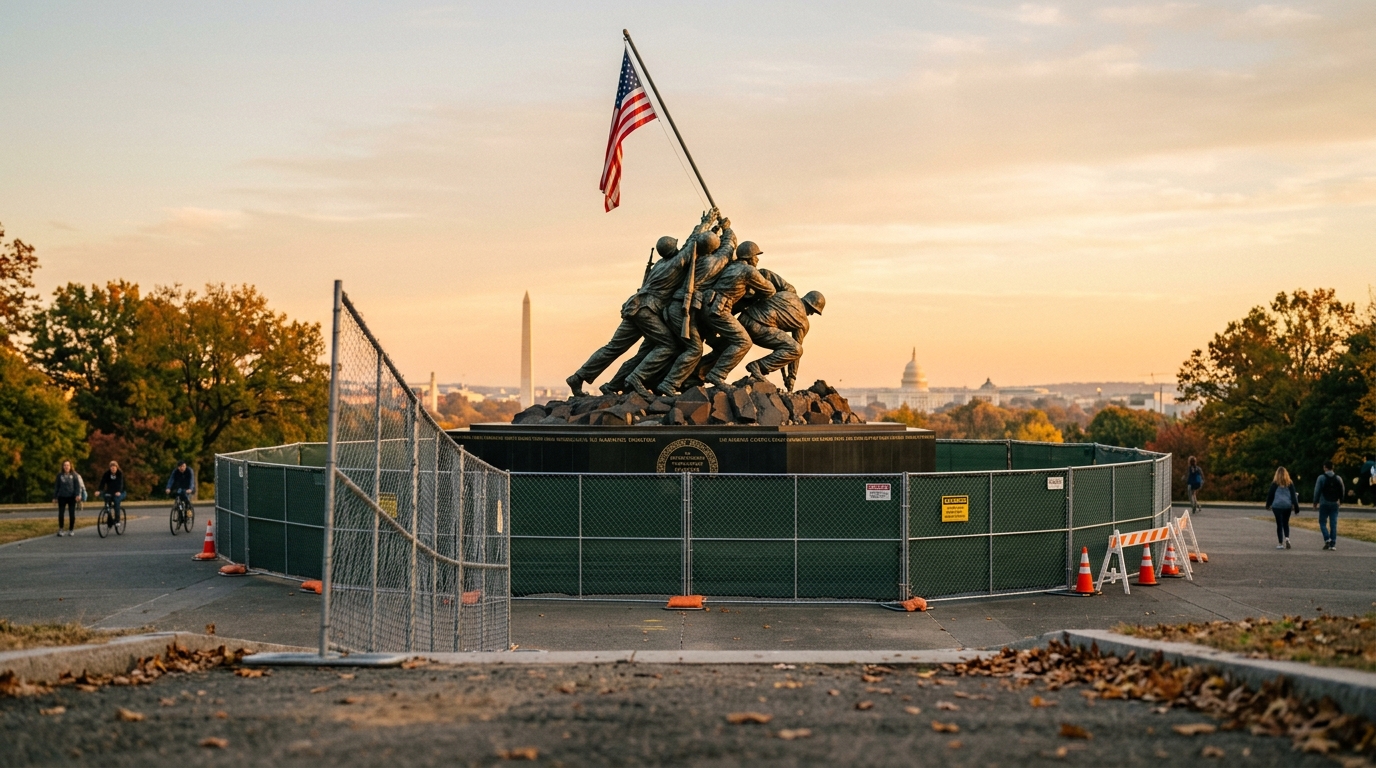
Iwo Jima Memorial Fenced Off for "Beautification" Work Through Early November
Arlington County·Community
The iconic U.S. Marine Corps Memorial, known as the Iwo Jima Memorial, in Arlington is now fenced off as crews begin "beautification" work. The barriers are expected to remain in place through early November, impacting visitors to the cherished national landmark.
about 4 hours ago4 min read