Courts
Federal Judge Dismisses Human Smuggling Charges Against Kilmar Abrego Garcia After Mistaken Deportation
Share this article
Advertisement
A federal judge has dismissed human smuggling charges against Kilmar Abrego Garcia, a significant development in a case marked by what authorities have described as a mistaken deportation. The dismissal brings an end to the federal prosecution of Garcia, who had been accused of involvement in human smuggling activities. The core of this unusual situation lies in Garcia's prior, erroneous removal from the country. While the exact circumstances leading to his deportation and subsequent charge dismissal remain under wraps, the fact that a federal court has now formally dropped the charges after acknowledging a "mistaken deportation" raises serious questions about the procedures and safeguards within the immigration and justice systems.
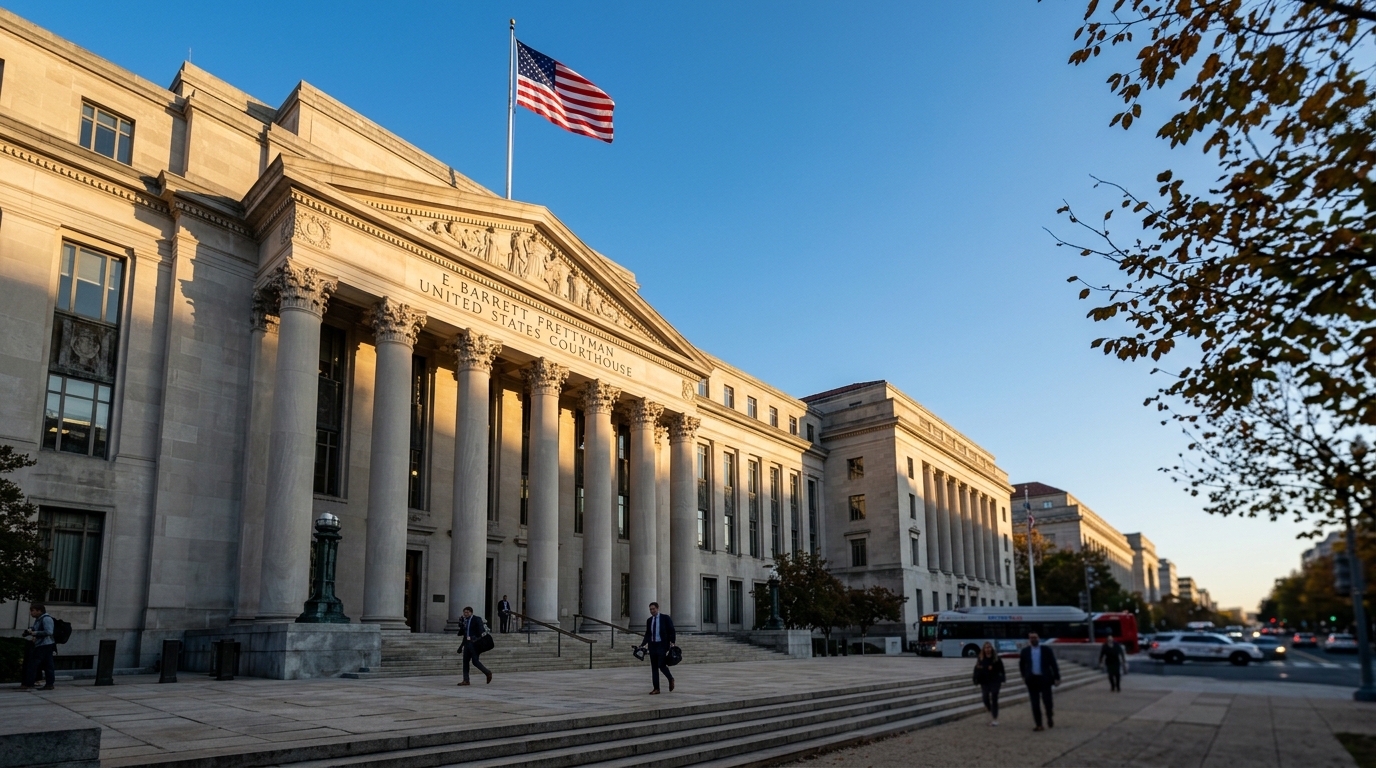
A federal judge formally dismissed human smuggling charges against Kilmar Abrego Garcia, who was "mistakenly deported."
Federal human smuggling charges, typically brought under 8 U.S. Code § 1324, are serious offenses, carrying potentially lengthy prison sentences and significant fines. These charges target individuals who knowingly transport, harbor, or induce undocumented immigrants to enter or reside in the United States. The dismissal of such charges, especially after a defendant has already been deported, is a rare occurrence that underscores critical procedural or evidentiary issues. ### The Weight of a Mistaken Deportation The phrase "mistakenly deported" is particularly jarring. Deportation, or removal from the United States, is a final and often life-altering event. It typically follows a complex legal process involving immigration courts, appeals, and enforcement by agencies like U.S. Immigration and Customs Enforcement (ICE). A mistake at this level can have profound consequences for individuals, separating them from families, jobs, and communities with little recourse. The U.S. federal court system, which handles cases like human smuggling, operates with strict adherence to due process. When a defendant is mistakenly deported, their ability to participate in their own defense, consult with legal counsel, and confront evidence against them is severely compromised, if not entirely eliminated. This can lead to fundamental fairness concerns that often prompt judges to intervene. The United States Courts outline the rigorous standards applied in federal criminal proceedings. ### What Led to the Dismissal? While the specific reasons for the judge's decision in Garcia's case haven't been publicly detailed, dismissals in federal court can occur for several reasons. These include insufficient evidence to proceed to trial, procedural errors by the prosecution or law enforcement, violations of constitutional rights (such as the right to due process or effective counsel), or a determination that continued prosecution is not in the interest of justice. In a case involving a mistaken deportation, the inability of the defendant to appear in court or assist in their defense would likely be a significant factor. The outcome for Kilmar Abrego Garcia, having already been removed from the country, now enters a new phase. While the criminal charges against him are dropped, his path back to the United States, if he chooses to pursue it, would involve navigating the intricate and often challenging immigration system once more. This could entail seeking a special visa, parole, or appealing his original deportation order, now bolstered by the federal court's dismissal of the criminal charges. ### Implications for the DMV's Legal and Immigration Landscape This case, handled within the federal judicial system, has direct implications for the DMV region. Washington, D.C., and its surrounding Maryland and Virginia suburbs are home to a vast network of federal courts, immigration agencies, and legal professionals specializing in immigration law and criminal defense. Decisions like this resonate deeply within this community, highlighting potential vulnerabilities in the system. For DMV residents, particularly those with ties to the immigrant community or those working in the legal field, this dismissal serves as a stark reminder of the complexities and potential pitfalls within federal immigration and criminal justice processes. It underscores the critical importance of robust legal representation and vigilant oversight to ensure due process is upheld for all individuals, regardless of their immigration status. This ruling could prompt closer scrutiny of inter-agency coordination between immigration enforcement bodies like ICE and federal prosecutors, especially in cases where defendants are also subject to removal proceedings. It also emphasizes the need for legal aid organizations and defense attorneys in the DMV to remain vigilant in advocating for their clients against procedural errors that can lead to unjust outcomes. Moving forward, it will be important to observe any further actions taken by Kilmar Abrego Garcia or by federal authorities in response to this dismissal. The case shines a light on the human impact of systemic errors and the ongoing efforts to balance national security with individual rights within the nation's capital region. 📍 Local Resources
Ayuda
Provides legal, social, and language access services to low-income immigrants in the DMV area, focusing on domestic violence, sexual assault, and immigration issues.
📞 Phone: (202) 387-4848
🌐 Website: ayuda.com
📍 Location: 6925B Willow St NW, Washington, DC 20012
🕐 Hours: Mon-Fri 9am-5pm
Capital Area Immigrants' Rights (CAIR) Coalition
Offers legal assistance to detained immigrants and asylum seekers in the D.C. metropolitan area, providing pro bono representation and advocacy.
📞 Phone: (202) 331-3320
🌐 Website: caircoalition.org
📍 Location: 1612 K St NW, Suite 1100, Washington, DC 20006
🕐 Hours: Mon-Fri 9am-5pm
Catholic Charities of the Archdiocese of Washington - Immigration Legal Services
Provides affordable legal assistance for immigration matters, including family petitions, naturalization, and asylum applications.
📞 Phone: (202) 772-4300
🌐 Website: catholiccharitiesdc.org
📍 Location: 924 G St NW, Washington, DC 20001
🕐 Hours: Varies by service; check website
Advertisement