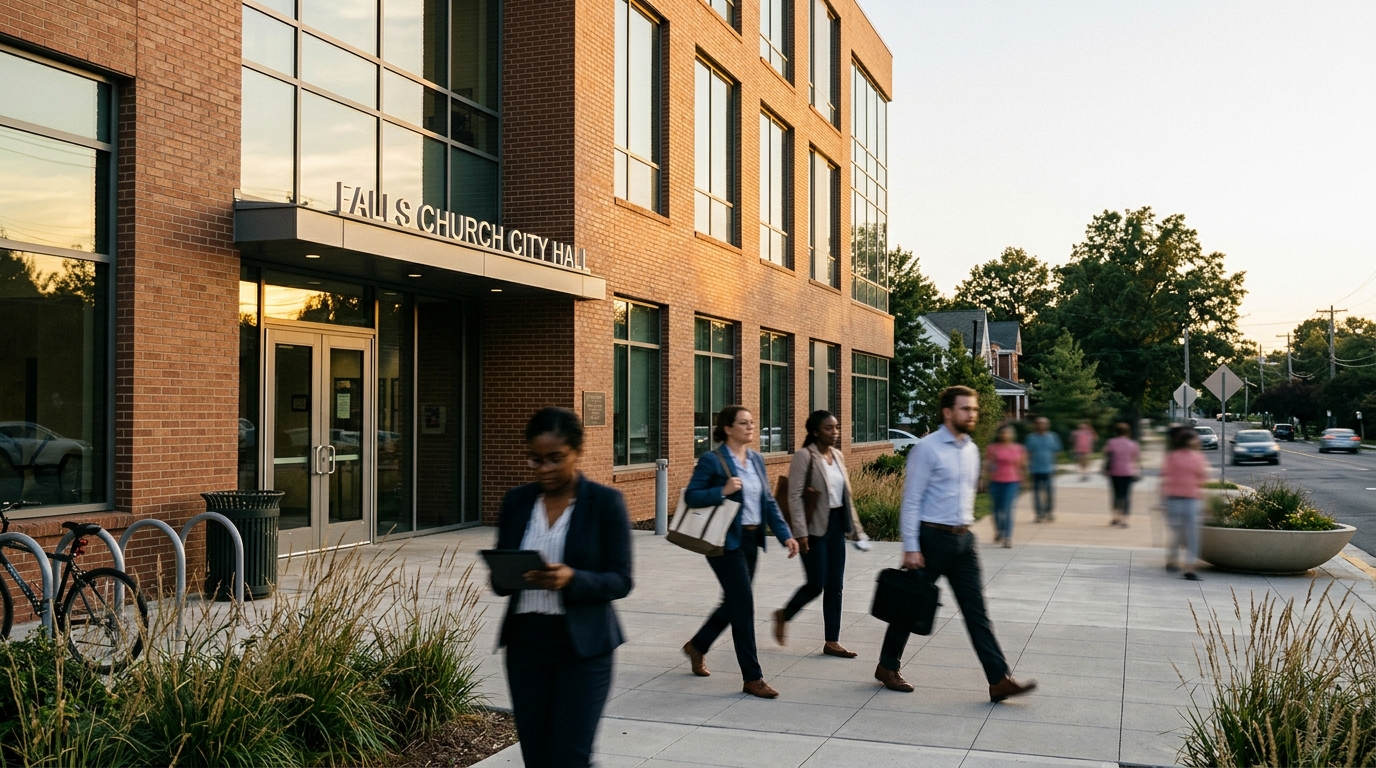
It's a familiar challenge for many employers across the DMV: getting folks in the door is one thing, keeping them there is another entirely. That's the tightrope Falls Church city officials are walking as they report significant improvements in filling vacant positions, even as the struggle to retain existing staff continues to be a sticking point. The City of Falls Church has been actively working to streamline its hiring processes, and those efforts are starting to pay off. According to recent reports, changes implemented by city management are helping to reduce the number of open jobs within the local government structure. This means a quicker turnaround for critical roles, theoretically leading to more efficient city services. ### Revamping the Hiring Pipeline For months, city departments have felt the squeeze of open positions, impacting everything from administrative functions to public works. Recognizing this, Falls Church leaders initiated a review of their recruitment strategies. The goal? To make the application and onboarding process more efficient and appealing to potential candidates. While specific details of these "process changes" weren't laid out in the latest update, the city's focus has been on making it easier and faster for qualified individuals to join the team. This could involve anything from simplifying application forms to expediting background checks and interview schedules.
Falls Church city officials say they are making process changes that are helping to reduce vacant positions in the city government.
The impact of these improvements is tangible for Falls Church residents. When city jobs, especially in departments like Public Works or Parks and Recreation, sit vacant for too long, it can lead to delays in service delivery, longer wait times for permits, or even reduced programming. A more efficient hiring system means these essential roles get filled faster, ideally preventing service disruptions before they start. Residents can expect a more responsive city government as these positions are filled. ### The Stubborn Challenge of Retention While getting new talent onboard is a win, keeping them engaged and employed long-term remains a significant hurdle for Falls Church. This isn't a problem unique to the Little City; municipalities nationwide are grappling with employee turnover, often driven by competitive private sector salaries, burnout, or a desire for new opportunities. For Falls Church, the persistence of retention challenges suggests that simply filling roles isn't enough. It points to deeper issues that might be at play, such as workplace culture, compensation packages, professional development opportunities, or work-life balance. Addressing these factors is often more complex than refining a hiring process. It requires a comprehensive look at what makes employees stay or leave, and then implementing strategies that foster a positive and supportive work environment. The city will need to dig into exit interviews and employee feedback to truly understand the root causes of turnover. Data from the
Office of Personnel Management often highlights retention as a key metric for public sector agencies. ### What This Means for Falls Church Residents For the nearly 15,000 residents of Falls Church, these staffing dynamics directly influence the quality and availability of city services. Improved hiring means that when you call City Hall, there's more likely to be someone to answer. When a street needs repair, the Public Works department is better staffed to handle it. However, high turnover can mean a loss of institutional knowledge, a constant need for training new staff, and potential inconsistencies in service delivery as new people cycle through. The city's ongoing efforts to tackle both sides of the staffing coin — attracting and retaining talent — are crucial for maintaining the high standards residents expect. It's a balancing act that many local governments, including those in neighboring
Fairfax County and
Arlington, are continually refining. Understanding these internal administrative challenges helps residents appreciate the complexities involved in running a city effectively. Looking ahead, Falls Church residents should keep an eye on future city council meetings and budget discussions. These forums are often where updates on staffing levels, employee satisfaction surveys, and new initiatives to improve retention are presented. The city's success in not just hiring, but *keeping* its valuable employees, will be a key indicator of its long-term operational health and, by extension, the quality of life for everyone who calls Falls Church home. The
Falls Church City Council regularly discusses these operational details.