Weather & Traffic
Arlington County
Fallen Tree Near Arlington National Cemetery Snarls Metro Commutes
Share this article
Advertisement
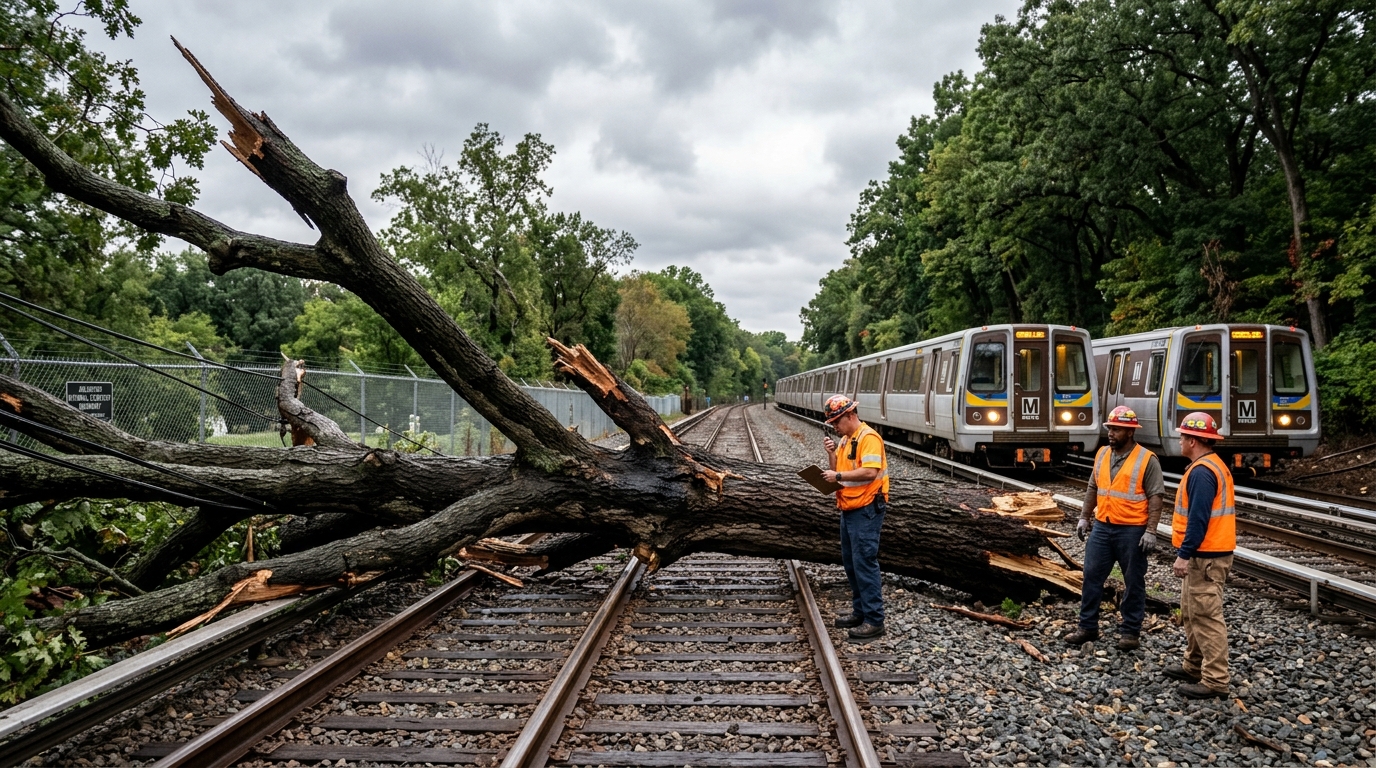
Early this week, the morning commute for many across the DMV hit a snag when a fallen tree near Arlington National Cemetery caused significant delays on the Metro system. The incident, reported on Monday, May 26, 2026, underscored the fragility of urban infrastructure against natural elements, even as minor as a single tree. For thousands relying on the region's public transit, the disruption meant a slower start to their day, highlighting the immediate ripple effect such incidents can have on daily life. The exact cause of the tree's collapse remains unconfirmed, but its impact was immediately felt across the Metro lines serving the area. Arlington National Cemetery is a critical nexus, not just for visitors to the hallowed grounds, but also for countless federal employees, military personnel, and residents commuting to and from key employment centers like the Pentagon and downtown D.C. Any disruption in this corridor inevitably sends shockwaves through the broader transit network.
A single fallen tree near a major transit hub like Arlington National Cemetery can ripple through the entire DMV Metro system, affecting thousands of daily commuters.
### The Immediate Aftermath for Commuters When a tree obstructs tracks, it's not just a matter of physical removal; it triggers a cascade of operational challenges for the Washington Metropolitan Area Transit Authority (WMATA). Train operators must reduce speeds, single-track operations might be initiated, and scheduled arrivals and departures can quickly fall out of sync. For passengers already onboard, this translates into longer wait times at stations, crowded cars, and missed connections for transfers to other lines or bus services. The area around Arlington National Cemetery is particularly sensitive due to its proximity to multiple Metro stations, including the Arlington Cemetery station itself, and the Pentagon and Pentagon City stations. These stations are crucial transfer points and destinations for a diverse array of commuters, from those working in government to tourists visiting national landmarks. Even seemingly minor incidents can cause disproportionate delays in such a high-traffic zone. ### WMATA's Rapid Response Responding to obstructions like fallen trees is a routine, albeit challenging, part of WMATA's operations. Maintenance crews are dispatched to assess the situation, remove the obstruction, and inspect the tracks and overhead lines for any damage before service can fully resume. Communication is key during these times, with WMATA typically issuing alerts through its official channels, including station announcements, social media, and its real-time service status updates. The agency's priority is always rider safety and restoring service as quickly and safely as possible. However, the nature of a fallen tree — especially one that might have damaged power lines or signals — can complicate and prolong the recovery process. These incidents serve as a stark reminder of the continuous effort required to maintain a vast and complex transit system that crisscrosses both urban and natural landscapes. ### Understanding Tree Fall Risks in Urban Settings The DMV region, with its blend of historic urban areas and verdant parklands, is home to a vast number of trees, many of them mature and imposing. While these trees contribute significantly to the aesthetic and environmental quality of the area, they also pose a risk, especially during periods of high winds, heavy rain, or even due to natural decay. Urban trees face unique stressors, including compacted soil, limited root space, and infrastructure conflicts, which can make them more susceptible to falling. Local jurisdictions, including Arlington County and the National Park Service which manages federal lands like Arlington National Cemetery, have active tree management programs. These programs involve regular inspections, pruning, and removal of hazardous trees to mitigate risks to public safety and infrastructure. Despite these proactive measures, unforeseen events, like the recent tree fall, can still occur. ### What This Means for Arlington Residents and Commuters For residents of Arlington County and the wider DMV area, this incident serves as a practical reminder of the interconnectedness of our urban environment and the importance of staying informed. Commuters are always advised to check WMATA's official service status updates before heading out, especially during or after inclement weather. Planning alternative routes, such as bus services or carpooling, can also help mitigate the impact of unexpected delays. The incident also highlights the ongoing need for investment in infrastructure resilience and proactive maintenance. As the climate changes and extreme weather events potentially become more frequent, the challenges of keeping transit systems running smoothly will only grow. Local authorities and transit agencies must continue to prioritize comprehensive vegetation management and rapid response capabilities to minimize disruption to the millions who depend on the Metro daily. Moving forward, commuters should remain vigilant for service advisories, particularly during periods of strong winds or heavy rain, which can increase the likelihood of similar incidents. Metro will continue its efforts to ensure the safety and reliability of its service, but the community's awareness and preparedness remain crucial. 📍 Local Resources
WMATA Customer Service
For general inquiries, feedback, or assistance regarding Metro services and delays.
Arlington County Department of Parks and Recreation
Information on tree maintenance, reporting hazardous trees on public property, and urban forestry initiatives in Arlington.
📞 Phone: (703) 228-4747
🌐 Website: parks.arlingtonva.us/trees
📍 Location: 2100 Clarendon Blvd, Arlington, VA 22201
Arlington County Emergency Management
Provides information and alerts for local emergencies, including weather-related incidents that could impact infrastructure.
📞 Phone: (703) 228-3362
🌐 Website: arlingtonva.us/emergency-management
Advertisement