Fairfax County Leaders Brace for Continued "Trying Times" as New Budget Season Begins
Share this article

"The low-hanging fruit is gone," — Philip Hagen, Director of the Fairfax County Department of Management and Budget (FFXnow)This blunt assessment suggests that simple cost-cutting measures or readily available revenue streams that might have eased past budget crunch times are no longer viable options. It signals a period where every dollar will be scrutinized, and priorities will need to be meticulously weighed against community needs and available resources.
Understanding the "Trying Times"
What exactly do "trying times" mean for a robust and diverse community like Fairfax County? Historically, such phrases from local government often point to a confluence of factors. These can include slower-than-expected growth in property tax revenues, which form the bedrock of the county's funding, alongside rising operational costs driven by inflation. The cost of living in the DMV area continues to climb, impacting everything from employee salaries and benefits for county staff—including teachers, police officers, and firefighters—to the price of materials for public works projects and essential services. Furthermore, state and federal funding allocations can be unpredictable. Fairfax County, like many jurisdictions, relies on a mix of local, state, and federal contributions to fund its vast array of services. Any shifts in these external revenue streams can create significant ripples in the county's financial planning. When leaders speak of "trying times," they're often alluding to the difficult balancing act of maintaining high-quality services that residents expect while facing increasing expenses and potentially constrained income. This could mean tough conversations about everything from library hours to road maintenance schedules.The Budget Process: A Multi-Month Marathon
The budget season in Fairfax County is a lengthy, intricate process, not a sprint. It typically begins in the fall with departmental requests and economic forecasts, moving through various stages of review before final adoption in the spring. This initial discussion, kicking off now, sets the stage for months of detailed analysis, public hearings, and deliberations by the Board of Supervisors. Residents will have opportunities to weigh in as the process unfolds. Typically, the County Executive presents a proposed budget in February, followed by public hearings where community members can voice their priorities and concerns. These inputs are crucial as the Board makes final adjustments before adopting the budget, usually in April. Understanding this timeline is key for residents who want to influence how their tax dollars are spent and what services are prioritized. You can often find detailed information about the budget calendar and past budgets on the Fairfax County government website.What "Low-Hanging Fruit is Gone" Means for Residents
Philip Hagen's comment about the "low-hanging fruit" being gone implies that the county has already implemented many of the easier, less impactful cost-saving measures. This could include things like delaying non-essential equipment purchases, streamlining administrative processes, or making modest staffing adjustments without affecting frontline services. When these options are exhausted, the county is then forced to consider more significant, and often more painful, choices. These choices could involve: * **Service Reductions**: Cutting back on certain programs, reducing operating hours for public facilities, or scaling down planned initiatives. * **Increased Fees**: Raising fees for specific county services, permits, or recreational activities. * **Tax Adjustments**: While property taxes are a major revenue source, any increase is often met with significant public debate due to its direct impact on homeowners. The county must balance its revenue needs with the burden on its residents. Information on current tax rates and assessments is typically available through the Fairfax County Department of Tax Administration. * **Deferred Maintenance**: Postponing necessary upgrades or maintenance on infrastructure, which can lead to larger costs down the line. The challenge for county leaders will be to navigate these difficult decisions transparently and equitably, ensuring that the burden is shared fairly and that essential services remain robust for all residents, from Annandale to Great Falls.Navigating the Economic Headwinds
The economic environment plays a crucial role in local government budgets. While the DMV region often boasts a relatively stable economy due to the federal government presence, it's not immune to broader national and global trends. Inflation, interest rate changes, and shifts in the job market all have a downstream effect on local tax revenues and expenses. For instance, a dip in commercial property values could impact business tax revenues, while a rise in construction costs directly affects county development projects. The county's ability to attract and retain businesses also contributes to its financial health. A vibrant local economy means more jobs, more consumer spending, and a broader tax base, which in turn provides more resources for public services. Maintaining a competitive business environment is therefore a key component of long-term fiscal stability. The Fairfax County Economic Development Authority often provides insights into the county's economic health. As Fairfax County leaders embark on this new budget cycle, their early warnings serve as a critical heads-up for residents. It's a call for engagement, understanding, and preparation for what promises to be a complex and consequential period for the county's financial future. What comes next will shape the services, infrastructure, and overall quality of life for everyone living and working in Fairfax County. Residents should pay close attention to upcoming announcements and public hearing schedules to make their voices heard.📍 Local Resources
Official source for all Fairfax County budget documents, presentations, and financial reports. Provides transparency into county spending and revenue.
Contact information for your district Supervisor and information on Board meetings, including public hearings related to the budget.
Details on the school system's budget, which is a significant portion of the overall county budget, and opportunities for public input.
Explore more on this topic
Related Stories
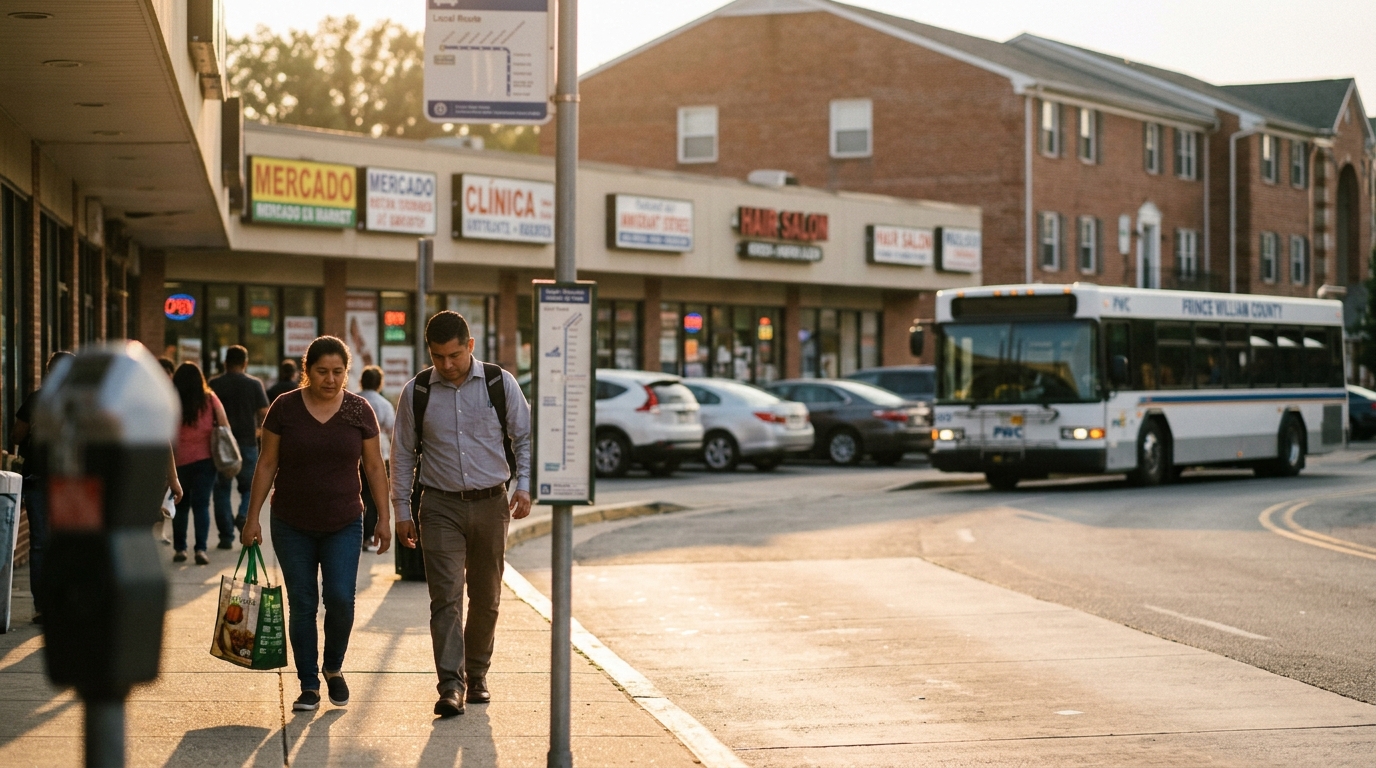
Prince William County Orders Comprehensive Audit of Its Immigration Policy
Prince William County's Board of Supervisors has ordered a comprehensive audit of its immigration policy, signaling a deep dive into local operations and their impact on the diverse community. This review aims to assess the effectiveness and legality of current practices, potentially bringing changes to law enforcement interactions with federal agencies and county service delivery for all residents.

Maryland Voters See Barrage of Ads for Redistricting Ballot Question
A new wave of pro-redistricting ballot question ads is hitting Maryland airwaves, phones, and mailboxes, pushing for changes to how the state draws its political maps. This campaign highlights the ongoing debate over fair representation and the impact of gerrymandering on local communities in the DMV.