Politics
Arlington County
FAA Official Faces Senate Over DCA Crash Warning Signs, Defends Reforms
Share this article
Advertisement
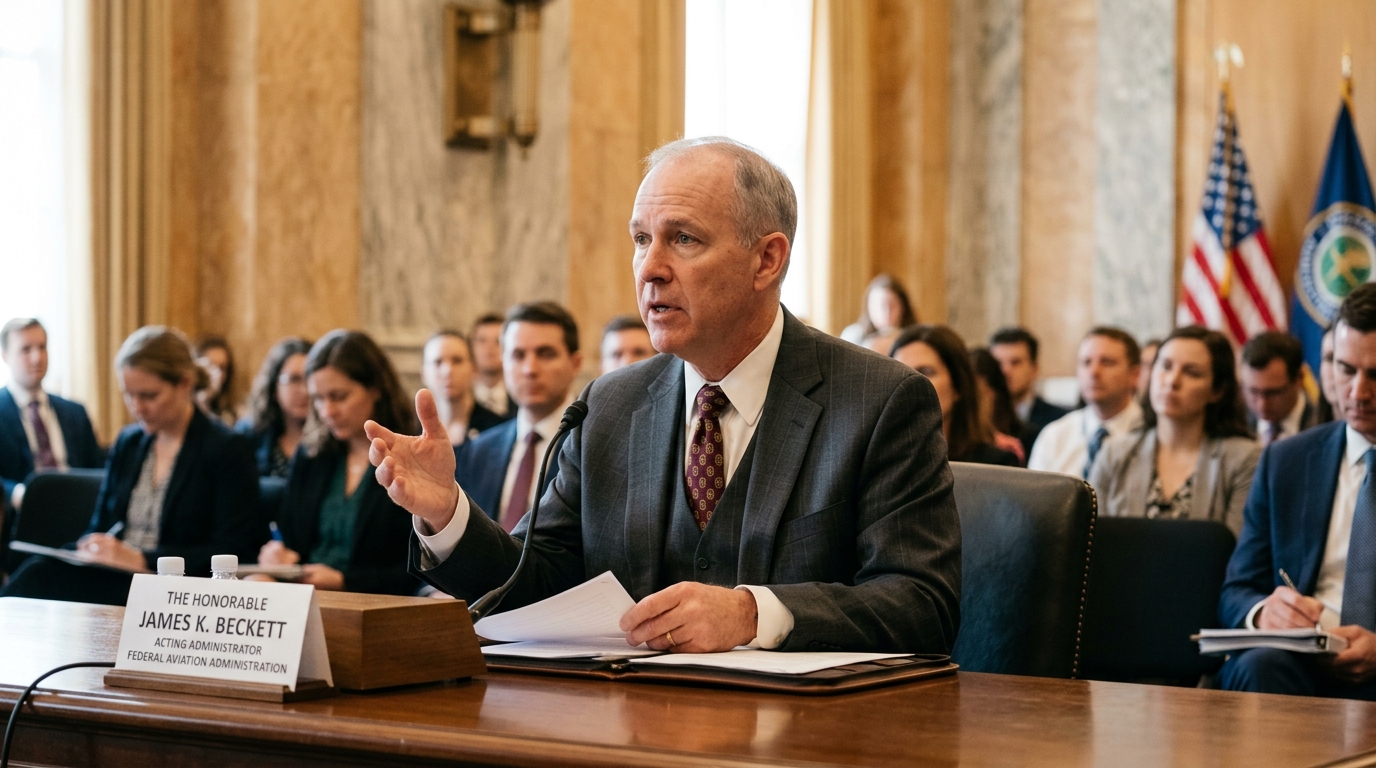
A somber atmosphere filled a Capitol Hill hearing room this week as an unnamed Federal Aviation Administration (FAA) official appeared before a Senate committee, acknowledging that "warning signs" were present before a deadly crash at Ronald Reagan Washington National Airport (DCA) on May 19, 2026. The official, whose testimony centered on the tragic incident, also used the opportunity to vigorously defend the agency's ongoing safety reforms, asserting their critical role in preventing future aviation disasters. The hearing, which has drawn significant attention across the DMV, delved into the circumstances surrounding the crash, raising serious questions about aviation oversight and the effectiveness of current safety protocols. For residents living under DCA's flight paths in Arlington and Alexandria, or those who regularly travel through the busy airport, the revelations underscore persistent concerns about air travel safety in an increasingly complex airspace.
Warning Signs and the DCA Incident
The FAA official's testimony confirmed what many had feared: there were indicators of potential trouble leading up to the May 19, 2026, crash at DCA. While specific details about the nature of these "warning signs" were not immediately disclosed during the public portion of the hearing, the acknowledgement itself is a stark admission. It suggests that critical information might have been available that, if acted upon differently, could have altered the course of events.An FAA official confirmed that "warning signs" were present before the deadly May 19, 2026 crash at Ronald Reagan Washington National Airport.
Ronald Reagan Washington National Airport is one of the nation's most constrained and busiest airports, operating under strict flight path regulations due to its proximity to federal airspace and downtown Washington, D.C. Any incident at DCA has immediate and far-reaching implications, not just for air travelers but for the entire region's transportation network and sense of security. The crash on May 19, 2026, has undoubtedly sparked a renewed focus on the unique challenges of operating an airport so close to the nation's capital. Defending Ongoing Safety Reforms
Despite the troubling admission, the FAA official stood firm in defending the agency's current push for safety reforms. The official emphasized that these reforms are not merely reactive measures but are part of a proactive, evolving strategy designed to enhance aviation safety across the national airspace system. The defense focused on the comprehensive nature of these changes, which reportedly include updates to air traffic control technology, pilot training enhancements, and more rigorous aircraft maintenance inspections. The FAA, as the primary federal agency responsible for the safety of civil aviation, constantly navigates a delicate balance between facilitating air travel and ensuring the highest safety standards. Its efforts to modernize air traffic control systems, often through initiatives like the Next Generation Air Transportation System (NextGen), aim to improve efficiency and safety simultaneously. However, incidents like the DCA crash inevitably lead to intense scrutiny from Congress and the public, pushing the agency to demonstrate the tangible benefits of its reforms.Implications for DMV Travelers and Residents
For the millions of DMV residents who rely on air travel, particularly through DCA, this hearing is more than just political theater; it's about their safety. The acknowledgment of pre-crash warning signs will undoubtedly fuel anxiety, prompting questions about the transparency and responsiveness of aviation authorities. Frequent flyers and those living near DCA's flight paths are keen to understand precisely what these warning signs entailed and how the FAA plans to prevent similar oversights in the future. The Senate committee's investigation into the DCA crash is expected to continue, with further testimony and expert analysis anticipated. This process is crucial for uncovering systemic issues and ensuring accountability. The outcome could lead to new legislative mandates or accelerated implementation of existing reforms, directly impacting air travel policies and procedures at DCA and other regional airports. The FAA's commitment to safety is continuously tested by the demands of modern air travel. This incident at DCA serves as a stark reminder of the complexities involved in maintaining a secure aviation environment. The agency's ongoing reforms aim to address these challenges, but public confidence hinges on transparent investigations and demonstrable improvements.The Road Ahead for Aviation Safety
The Senate hearing marks an important step in the post-crash analysis, but it's far from the final word. Aviation safety is a dynamic field, constantly adapting to new technologies, increased air traffic, and evolving threats. The National Transportation Safety Board (NTSB) will conduct its own independent investigation into the May 19, 2026, DCA crash, which will provide critical insights into the mechanical, human, and environmental factors that contributed to the tragedy. These findings will be vital for informing future FAA policies and regulations. The public, particularly those in the DMV area, will be watching closely as these investigations unfold. Ensuring accountability for the acknowledged warning signs and verifying the effectiveness of the FAA's safety reforms will be paramount. The goal is not just to understand what went wrong, but to build a more resilient and secure air travel system for everyone.📍 Local Resources
Ronald Reagan Washington National Airport (DCA)
Official airport information, flight status, and traveler resources.
🌐 Website: flyreagan.com
📞 Phone: (703) 417-8000
📍 Location: 2401 Ronald Reagan Washington National Airport Access Rd, Arlington, VA 22202
Federal Aviation Administration (FAA) Consumer Information
Resources for air travelers, including safety regulations and complaint filing.
🌐 Website: faa.gov/passengers
📞 Phone: (866) 835-5322 (Toll-Free Consumer Hotline)
National Transportation Safety Board (NTSB)
Independent federal agency investigating transportation accidents to determine probable cause and prevent future occurrences.
🌐 Website: ntsb.gov
📞 Phone: (202) 314-6000
Advertisement