FAA Pushes for Major Air Traffic System Overhaul, Citing DMV Airport's Role
Share this article
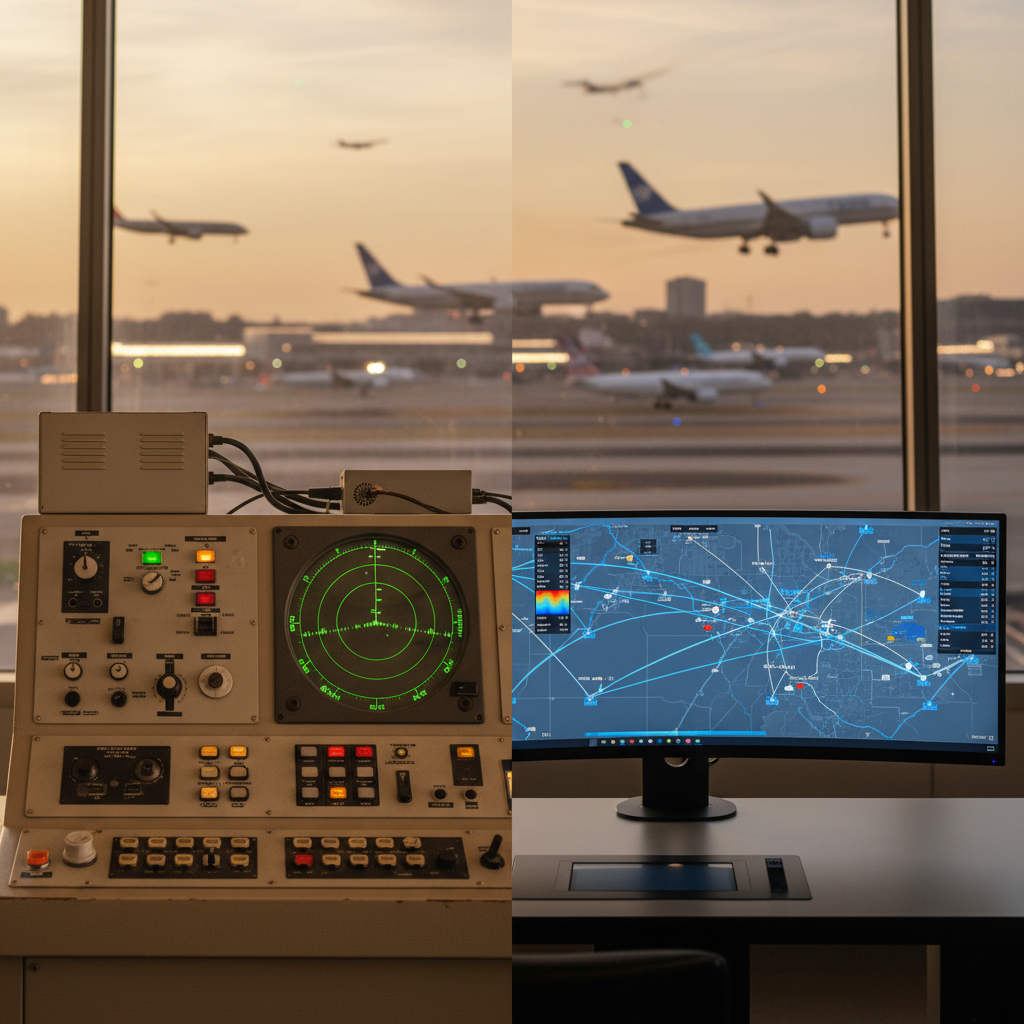
The U.S. aviation system is embarking on a critical modernization journey, with Federal Aviation Administration (FAA) Administrator Bryan Bedford asserting that the nation "can do better" in updating its foundational air traffic control infrastructure. The push calls for substantial investment to transform the current analog system into a more efficient and flexible software-driven network, a change with significant implications for air travel across the DMV region, particularly at bustling hubs like Ronald Reagan Washington National Airport (DCA)[1].
Administrator Bedford and other aviation leaders emphasize that the ambitious overhaul requires increased funding to achieve its goals of preventing conflicts, reducing delays, and minimizing cancellations. This modernization effort is not merely about incremental improvements but represents a fundamental shift in how air traffic is managed, moving away from outdated technology towards a more sophisticated digital framework.
Urgent Need for a Digital Transformation
The existing air traffic control system, largely analog in its core components, struggles to keep pace with the demands of modern aviation. As air travel volume continues to grow, the limitations of this legacy system become increasingly apparent, leading to inefficiencies that ripple across the national airspace. The FAA's vision is to implement a brand-new system that uses advanced software to predict and prevent potential conflicts between aircraft, thereby enhancing safety and streamlining operations[1].
"We can do better," — FAA Administrator Bryan Bedford (NPR)
This digital transformation is expected to introduce a level of precision and responsiveness currently unavailable, offering controllers better tools to manage the complex flow of aircraft. The ultimate goal is a system capable of adapting to changing conditions, optimizing flight paths, and ensuring smoother journeys for millions of travelers.
DMV's Stake in Aviation Safety and Efficiency
For residents and travelers in the Washington, D.C., metropolitan area, the modernization of the air traffic control system holds particular significance. Ronald Reagan Washington National Airport, strategically located just across the Potomac River from the nation's capital, is one of the busiest airports in the country, handling a constant stream of domestic flights. The efficiency and safety of its operations are paramount to regional commerce, government functions, and daily commuting for many DMV residents.
The challenges of the current system are not abstract for the DMV. The region's airspace is among the most complex and heavily trafficked globally, situated near critical government and military installations. Any improvements in air traffic management directly translate to safer skies and more reliable travel experiences for those flying into or out of DCA, Washington Dulles International Airport, or Baltimore/Washington International Thurgood Marshall Airport.
Funding and Future Outlook
The call for more money by FAA Administrator Bedford underscores the significant financial commitment required to undertake such a massive technological transformation. Modernizing a system as extensive and critical as the U.S. air traffic control network involves not only developing new software and hardware but also extensive training for air traffic controllers and technicians, as well as the meticulous integration of new systems with existing infrastructure.
The U.S. Department of Transportation (DOT), which oversees the FAA, is a key partner in advocating for the necessary resources. The success of this modernization effort hinges on sustained federal investment and a collaborative approach involving government, industry stakeholders, and technology providers. For DMV residents, a modernized system promises not only enhanced safety but also a reduction in the frustrating delays and cancellations that have become an all-too-common aspect of air travel.
As the FAA moves forward with its plans, the long-term benefits of a flexible, software-driven air traffic system are expected to reshape the future of aviation, making air travel safer, more predictable, and more efficient for everyone.
📍 Local Resources for DMV Air Travelers
Official website for flight statuses, airport services, and real-time updates for travelers using DCA.
Resources for air travelers regarding consumer rights, safety information, and filing complaints.
Public transportation options connecting Ronald Reagan Washington National Airport to various parts of Washington D.C., Maryland, and Virginia, offering alternatives during air travel disruptions.
Explore more on this topic
Related Stories
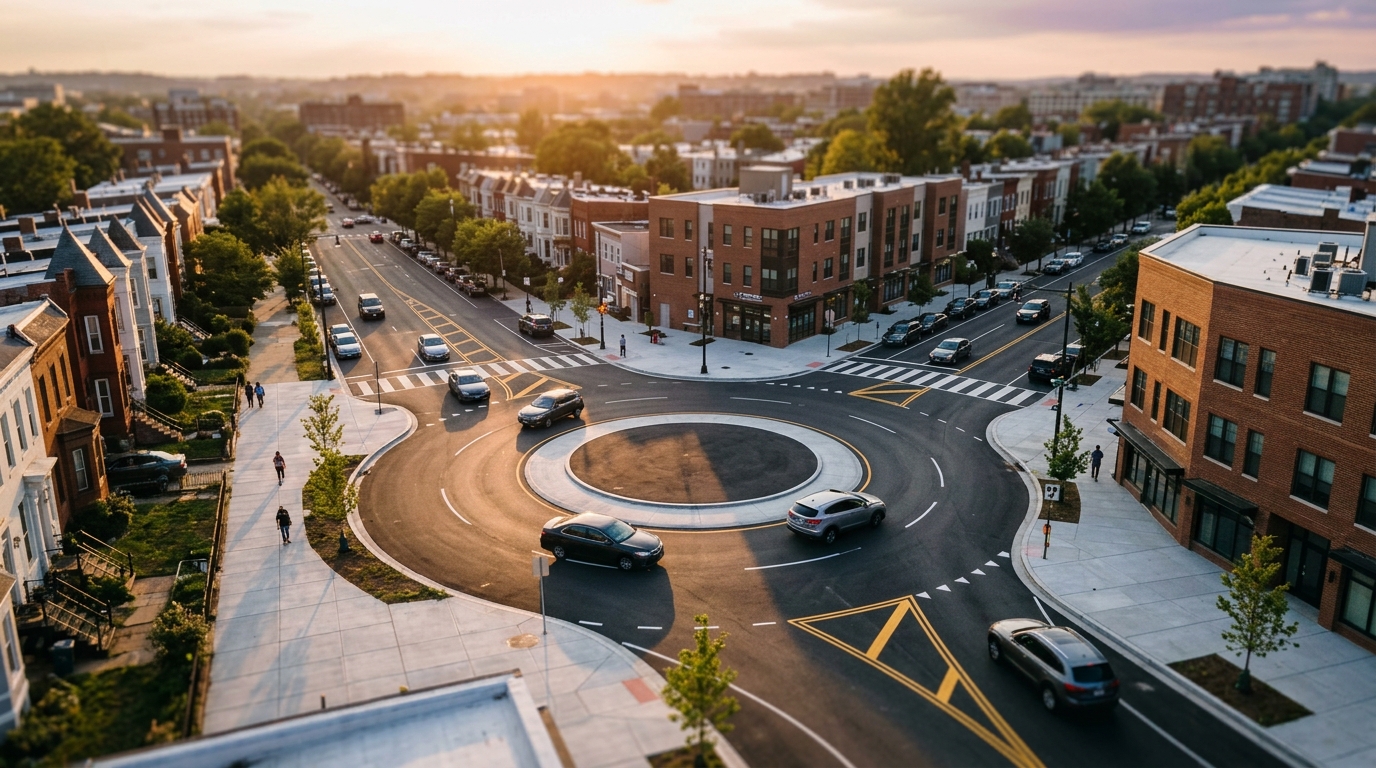
Shaw's New Traffic Circle on Florida Avenue Nears Completion, Promising Safer Streets
A new traffic circle at Florida Avenue and Barry Place NW in Shaw is nearing completion, promising enhanced safety and improved streetscapes for both drivers and pedestrians.
Baltimore Running Festival's Decades-Long Traffic Challenge Prompts Calls for Better Preparation

Northern Virginia Police Shut Down Six Massage Parlors in Major Human Trafficking Probe
Police recently shut down six massage parlors across Northern Virginia as part of a major human trafficking investigation, highlighting the region's ongoing battle against exploitation.