Politics
Ex-Gov. Glenn Youngkin Urges Virginians to Reject "Most Gerrymandered Map"
Share this article
Advertisement
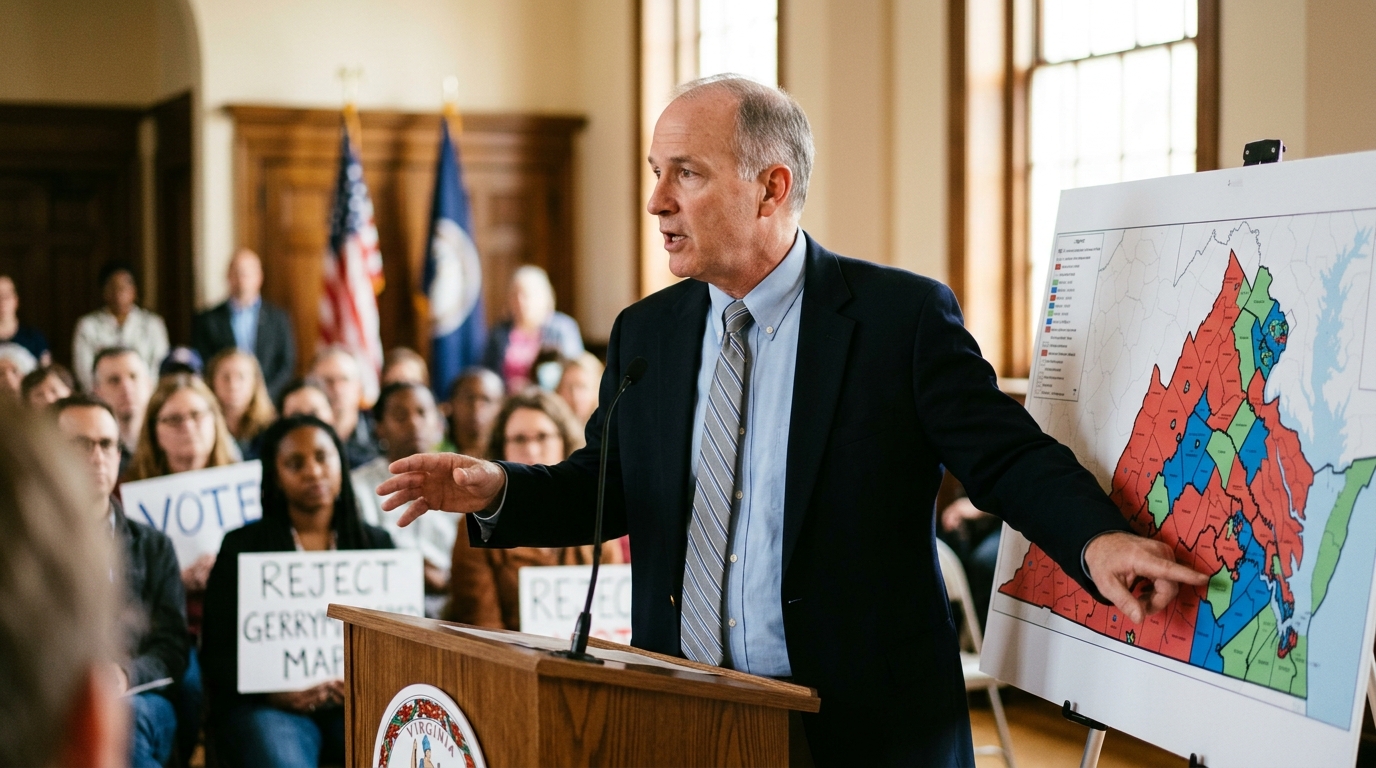
Former Virginia Governor Glenn Youngkin has publicly urged residents across the Commonwealth to reject what he characterized as the "most gerrymandered map in America." The statement, reported by WMAL, signals a significant intervention by the former executive into the ongoing political discourse surrounding electoral district boundaries within the state. While the specific map referenced in the report remains undisclosed, Youngkin's strong language underscores the contentious nature of redistricting and its profound implications for democratic representation in Virginia. The former governor's call adds a notable voice to the perennial debate over how legislative and congressional districts are drawn. Gerrymandering, the practice of manipulating district boundaries to favor one political party or group, has long been a flashpoint in American politics, often leading to uncompetitive elections and diminished voter influence.
The Weight of a Former Governor's Stance
Youngkin, who concluded his term earlier this year, retains considerable influence within Virginia's political landscape. His public urging to reject a map, which he labeled with such a stark description, is a powerful signal to voters and legislative bodies alike. Such a pronouncement from a prominent state leader can galvanize public opinion and intensify scrutiny on the redistricting process. The specific context of his statement, including when and where it was made, was not detailed in the initial report by WMAL.Gerrymandering profoundly affects the fairness and competitiveness of elections, often leading to districts where outcomes are predetermined regardless of shifts in voter sentiment.
The practice of gerrymandering can dilute the voting power of certain communities, making it more challenging for residents to elect representatives who truly reflect their interests. This can lead to a lack of accountability among elected officials, as districts are often drawn to protect incumbents rather than to foster genuine competition. For Virginians, the impact of a gerrymandered map could manifest in skewed legislative priorities, reduced responsiveness from representatives, and a general erosion of trust in the electoral system. Understanding Redistricting in Virginia
Redistricting is a constitutionally mandated process that occurs every ten years following the U.S. Census, aimed at redrawing electoral maps to reflect population changes. In Virginia, this process has historically been a complex and often partisan affair. In recent years, the Commonwealth has taken steps to reform its redistricting process, including the establishment of the Virginia Redistricting Commission, intended to introduce a more bipartisan approach. However, the exact map Youngkin referred to, and its origin or current status, were not specified in the report. Youngkin's strong condemnation suggests a perceived departure from fair and equitable districting principles. His use of the phrase "most gerrymandered map in America" indicates a belief that the map in question represents an extreme example of partisan manipulation, potentially undermining the democratic integrity of future elections in Virginia. Citizens concerned about election integrity and fair representation often monitor these processes closely, understanding that the lines drawn today will shape the political landscape for the next decade. The call for rejection implies a need for public engagement and potential legislative action to prevent the implementation of such a map. While the specific mechanism for "rejection" was not detailed, it could involve public outcry, legislative challenges, or even judicial review, depending on the map's stage of development and approval. The Virginia Department of Elections provides comprehensive information on electoral processes and voter registration, serving as a critical resource for residents seeking to understand their role in shaping the state's political future. The former governor's statement serves as a potent reminder of the ongoing vigilance required to safeguard the principles of fair representation. As Virginians look ahead to future elections, the integrity of their electoral maps will remain a paramount concern, directly influencing the character and effectiveness of their governmental representation.Advertisement
Explore more on this topic
Related Stories
Politics
Councilmember Janeese Lewis George Urges Caution on Waymo Legislation, Citing DC's Jobs Crisis
Howard County·Politics
Ward 4 Councilmember Janeese Lewis George has urged the DC Council to pump the brakes on Waymo legislation this year, warning that rushing autonomous vehicle laws could worsen the city's "jobs crisis" by displacing workers. She emphasizes the need to prioritize safety and worker support alongside technological advancement.
4 days ago6 min read

Politics
Ousted Board of Appeals Chair Sues Howard County Council, Office of Law
Howard County·Politics
Howard County's ousted Board of Appeals chair has filed a lawsuit against the County Council and the Office of Law, initiating a significant legal challenge within the local government structure. This action highlights internal administrative disputes and brings the county's appointment and oversight processes into public scrutiny.
4 days ago5 min read

Politics
Senator Mark Warner to Seek Final Term in Virginia Senate Race Against Military Veteran
Arlington County·Politics
4 days ago4 min read