DMV Young Adults Turn to 'Finfluencers' for Financial Advice, Raising Concerns About Reliability and Scams
Share this article
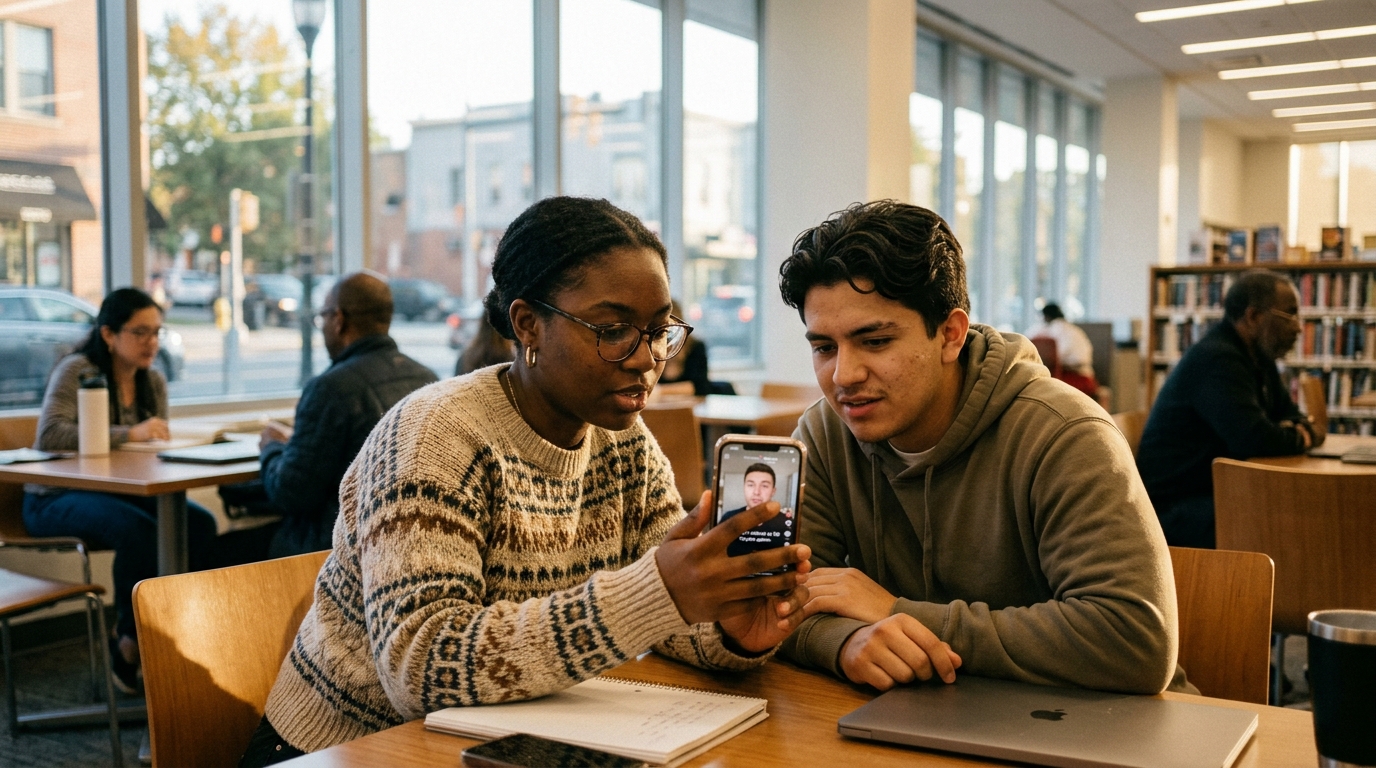
Young adults across the Washington D.C. metropolitan area, like their peers nationwide, are increasingly bypassing traditional sources of financial guidance in favor of social media platforms, turning to "finfluencers" on TikTok, Instagram, and YouTube for money management tips. This growing reliance, however, carries significant risks, according to new research from the University of Virginia.
The shift represents a fundamental change in how a generation approaches critical financial decisions, often with uncertain and potentially dangerous consequences. The convenience and accessibility of online advice, though appealing, frequently lack the rigor and accountability of professional or familial guidance.
The Rise of 'Finfluencers' and Associated Risks
Lana Swartz, an associate professor in the University of Virginia's Department of Media Studies, highlights a troubling trend: "Young folks are turning to social media as the primary source of financial advice, rather than their parents or trusted older people" (WTOP)[1]. This advice, she warns, is not always reliable, and the platforms themselves can encourage risky behaviors.
The research points to the proliferation of "gamified" investment applications and similar digital platforms that can blur the lines between investing and gambling. Such tools often promote quick, high-stakes decisions, potentially leading to addictive patterns and substantial financial losses. "There's a blurring with things like sportsbook gambling, and even gambling on things like current events through prediction markets," Swartz noted (WTOP)[1].
Beyond unreliable advice, the digital landscape also presents an elevated risk of scams. While often perceived as a threat primarily to older populations, young adults are highly susceptible. "People in their 20s, 30s and 40s are just as likely, if not more likely, to fall victim to scams," Swartz explained, attributing this vulnerability to the extent to which younger generations conduct their lives online (WTOP)[1]. Compounding the problem is a lack of robust resources specifically tailored to help young scam victims.
Why the Shift? Economic Uncertainty and Education Gaps
The motivation behind this reliance on social media is multifaceted. A significant factor is the pervasive economic uncertainty that has defined much of young adults' formative years. Many in this demographic have early memories shaped by the aftermath of the 2008 financial crisis and have navigated the economic disruptions of the COVID-19 pandemic. The looming threat of artificial intelligence impacting the job market and broader political and economic shifts further contribute to a sense of financial precarity.
"The financial future for many young people is uncertain." — Lana Swartz, Associate Professor, University of Virginia's Department of Media Studies (WTOP)
Another critical driver is a perceived — and often real — gap in formal financial literacy education. While there's broad consensus on the importance of teaching financial skills in schools, national standards for such curricula remain elusive. This leaves a void that "finfluencers" are eager to fill.
DMV's Response: The Push for Financial Literacy
Encouragingly, several states, including those in the DMV region, are exploring or implementing initiatives to bolster financial literacy education for high school students. These efforts aim to equip young people with foundational knowledge before they enter the complex financial world. However, as Swartz points out, "Whatever financial literacy curriculum looks like, it's going to be competing with finfluencers and with online communities" (WTOP)[1].
In Virginia, the State Corporation Commission (SCC) offers various financial resources, including consumer education. Maryland's Department of Commerce also provides information relevant to financial well-being, while the District of Columbia's Office of the Attorney General actively works to protect consumers from scams and fraud. These governmental bodies are crucial in providing credible information and recourse, contrasting sharply with the often-unregulated advice found online.
For young adults in the DMV, understanding the distinctions between credible financial advice and potentially harmful social media content is paramount. While online communities can offer support and shared experiences, financial decisions require a foundation of verified information and, ideally, guidance from certified professionals or trusted institutions.
📍 Local Resources for Financial Guidance and Scam Prevention
Investigates and prosecutes consumer fraud, provides resources on avoiding scams, and helps residents with consumer complaints.
Protects consumers from unfair and deceptive trade practices, provides educational materials, and mediates consumer complaints.
Offers consumer resources and information on various financial topics, including banking, credit, and investments, and helps regulate financial institutions.