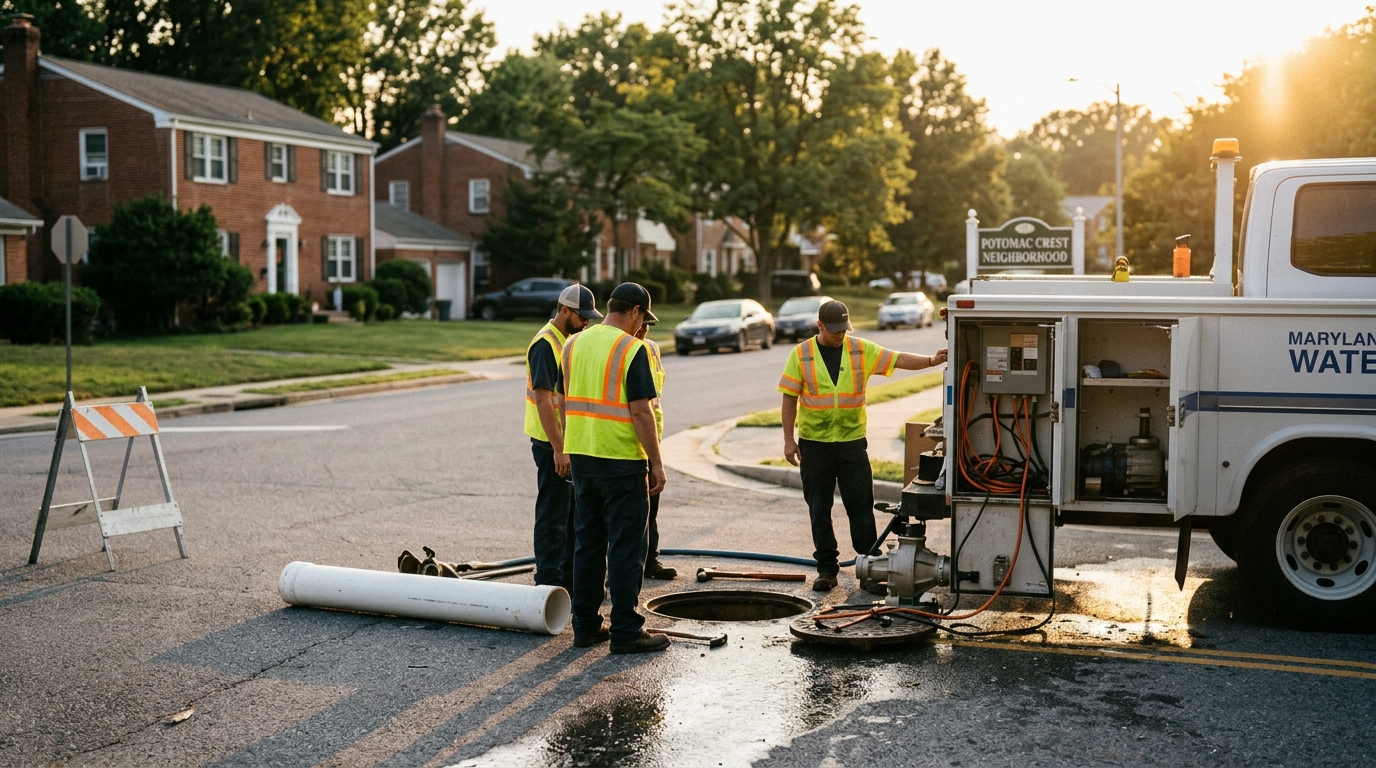
Triple-Digit Heat Index Set to Scorch DMV This Week
Share this article
Understanding the Heat Index
It's one thing to hear the temperature, but the heat index tells the real story of how hot it truly feels to the human body. This figure combines the air temperature with relative humidity, painting a more accurate picture of the thermal stress on the body. When the humidity is high, our sweat can't evaporate as effectively, making it much harder for our bodies to cool down naturally. A triple-digit heat index means that even if the thermometer reads 90 degrees, the air could feel like it's 100, 105, or even higher, especially when factoring in the urban heat island effect that keeps concrete and asphalt radiating warmth long after sunset.Health Risks Are Real: Protecting Yourself and Loved Ones
Extreme heat is one of the deadliest weather phenomena, and the DMV is no stranger to its perils. When the heat index climbs, so does the risk of heat-related illnesses like heat exhaustion and heat stroke. Symptoms of heat exhaustion can include heavy sweating, cold, clammy skin, nausea, muscle cramps, and dizziness. If not addressed quickly by moving to a cooler place and rehydrating, it can escalate to heat stroke, a medical emergency characterized by a body temperature of 103°F or higher, hot, red, dry or damp skin, a strong and rapid pulse, and confusion. Heat stroke can be fatal. Children, the elderly, and individuals with chronic health conditions are particularly vulnerable. Even healthy adults can quickly succumb if they're not careful, especially those who work outdoors or engage in strenuous activities. Regional health departments consistently remind residents about the importance of staying hydrated, avoiding direct sun exposure during peak hours, and wearing loose-fitting, light-colored clothing. The Centers for Disease Control and Prevention (CDC) offers comprehensive guidance on recognizing and preventing heat-related illnesses.Staying Cool and Hydrated Across the Region
Across the DMV, local jurisdictions are preparing for the onslaught of heat. Many cities and counties will likely activate cooling centers, offering air-conditioned public spaces where residents can find refuge from the scorching temperatures. These often include public libraries, recreation centers, and designated community facilities. Staying hydrated is non-negotiable. Water is your best friend, and it's important to drink plenty of it, even if you don't feel thirsty. Avoid sugary drinks, alcohol, and excessive caffeine, as these can contribute to dehydration. If you must be outdoors, try to schedule activities for the early morning or late evening. And crucially, never leave children or pets unattended in vehicles, even for a moment, as interior temperatures can reach lethal levels incredibly fast. The National Weather Service (NWS) provides stark warnings about vehicle heat. Public transportation, like WMATA's Metro system, can provide a cooler alternative to walking or driving during peak heat, though stations and trains can still get warm. Always check for service alerts, as extreme heat can sometimes impact infrastructure.Protecting Our Vulnerable Neighbors
This is also a time for community vigilance. Check on elderly neighbors, friends, and family members who may be isolated or lack air conditioning. Offer to run errands for them, bring them to a cooling center, or simply ensure they have enough water. Pet owners should also be mindful of their furry companions, providing ample fresh water and ensuring they have shade when outdoors. Hot pavement can burn paws, so consider walking pets during cooler parts of the day. The strain on the power grid is another concern during prolonged heat waves, as air conditioners work overtime. While utility companies implement measures to ensure reliability, it's always wise to be prepared for potential power outages by having flashlights, charged phones, and a supply of water on hand. Information on how to prepare for and report outages can typically be found on your local utility provider's website, such as Pepco's outage center for DC and parts of Maryland. As the DMV braces for this round of intense heat, remember that preparation and vigilance are key. Stay informed about local weather advisories and be proactive in protecting yourself and those around you. What to watch for: local government announcements regarding cooling centers and any specific public health warnings. Stay safe, DMV.📍 Local Resources
Find designated public spaces like recreation centers and libraries offering air conditioning during extreme heat events.
Information on open cooling centers, public libraries, and recreation centers in Montgomery County.
Explore more on this topic
Related Stories
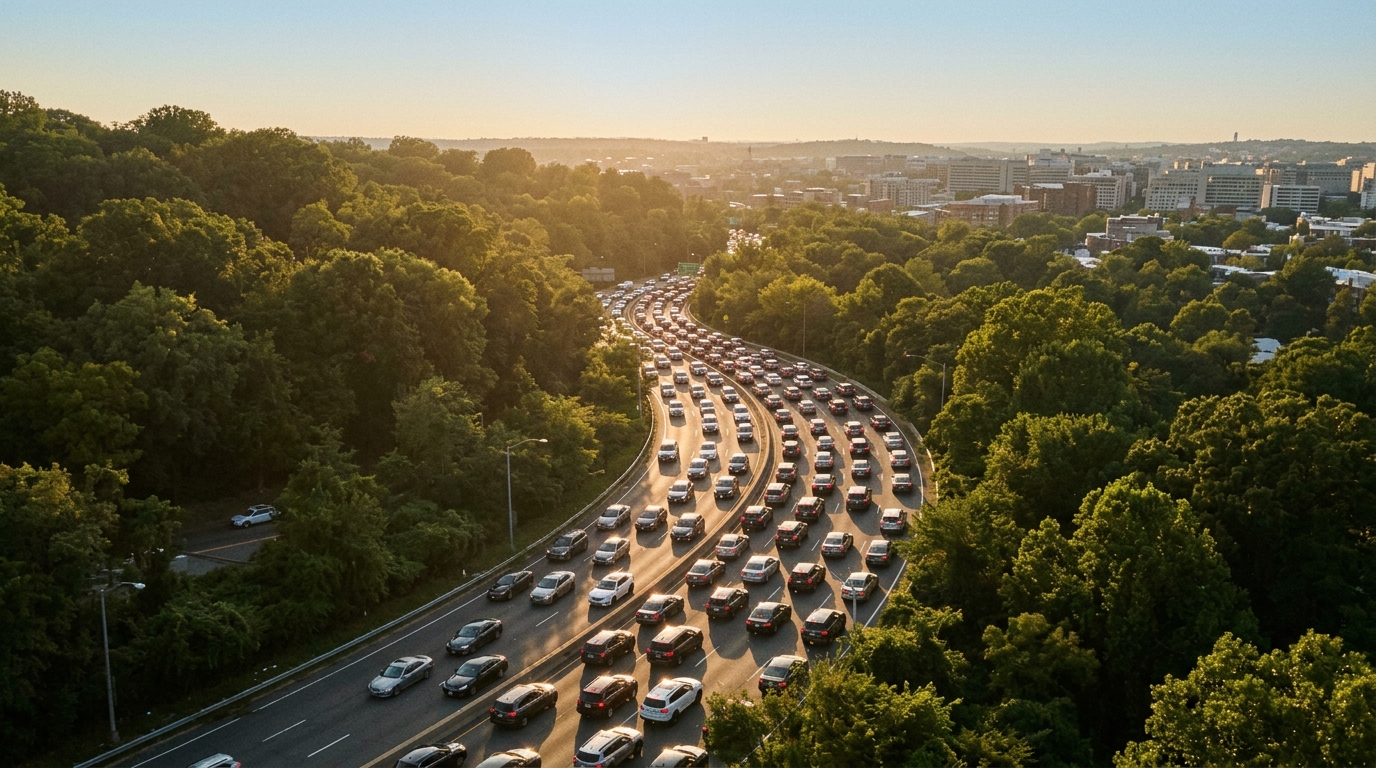
Rock Creek Parkway Commute Snarled as NPS Reportedly Flips Lanes Early
Drivers in Northwest D.C. are facing chaotic morning commutes on Rock Creek Parkway, with reports indicating the National Park Service is prematurely flipping reversible lanes, causing significant traffic backups through Woodley Park, Cleveland Park, and Mount Pleasant.
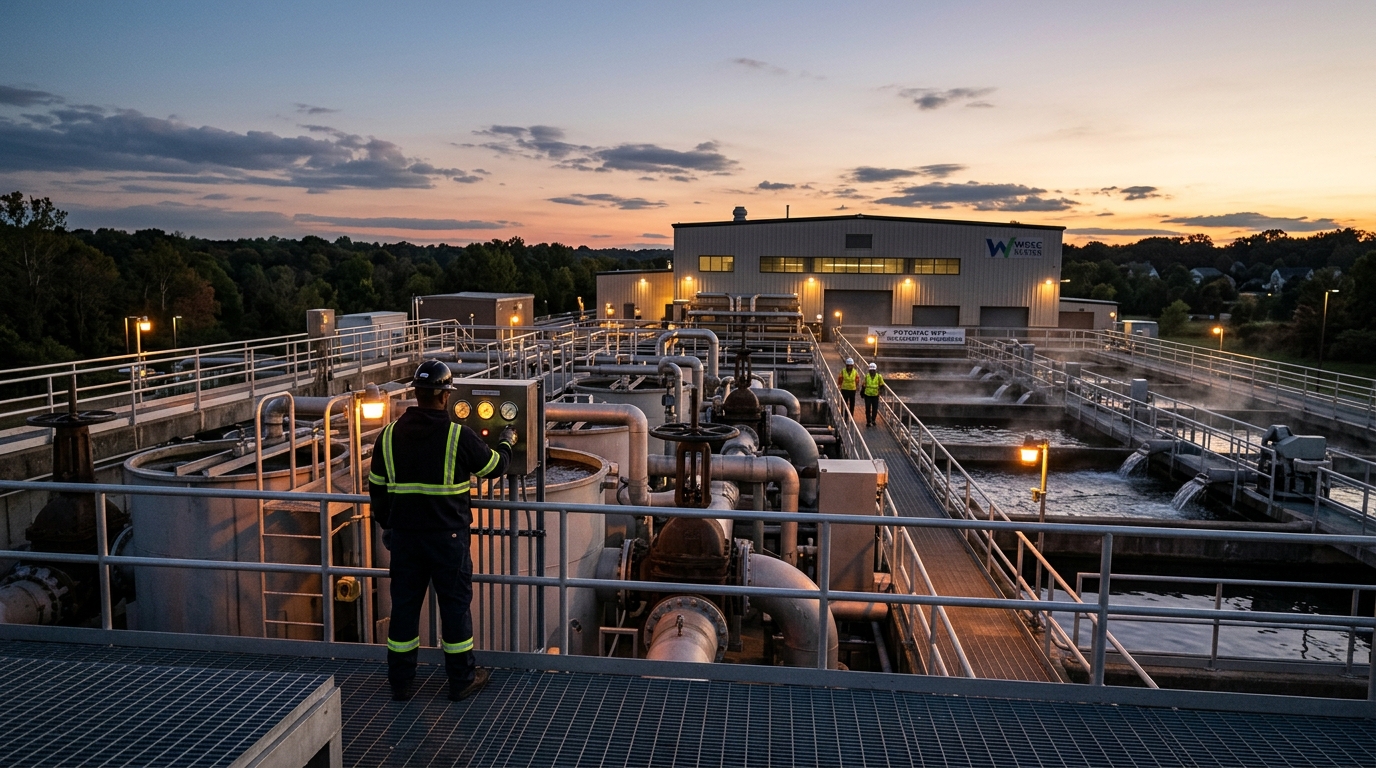
WSSC Water Works to Restore Plant Systems After Outage Affecting Montgomery County Residents
WSSC Water is actively working to restore its plant systems following an outage, an incident that could impact water service reliability for residents across Montgomery County. The utility is focused on bringing critical infrastructure back online quickly and safely.