Traffic
Navigating the DMV: Local Traffic Reporter Tackles Teen Driver Training with His Son
Share this article
Advertisement
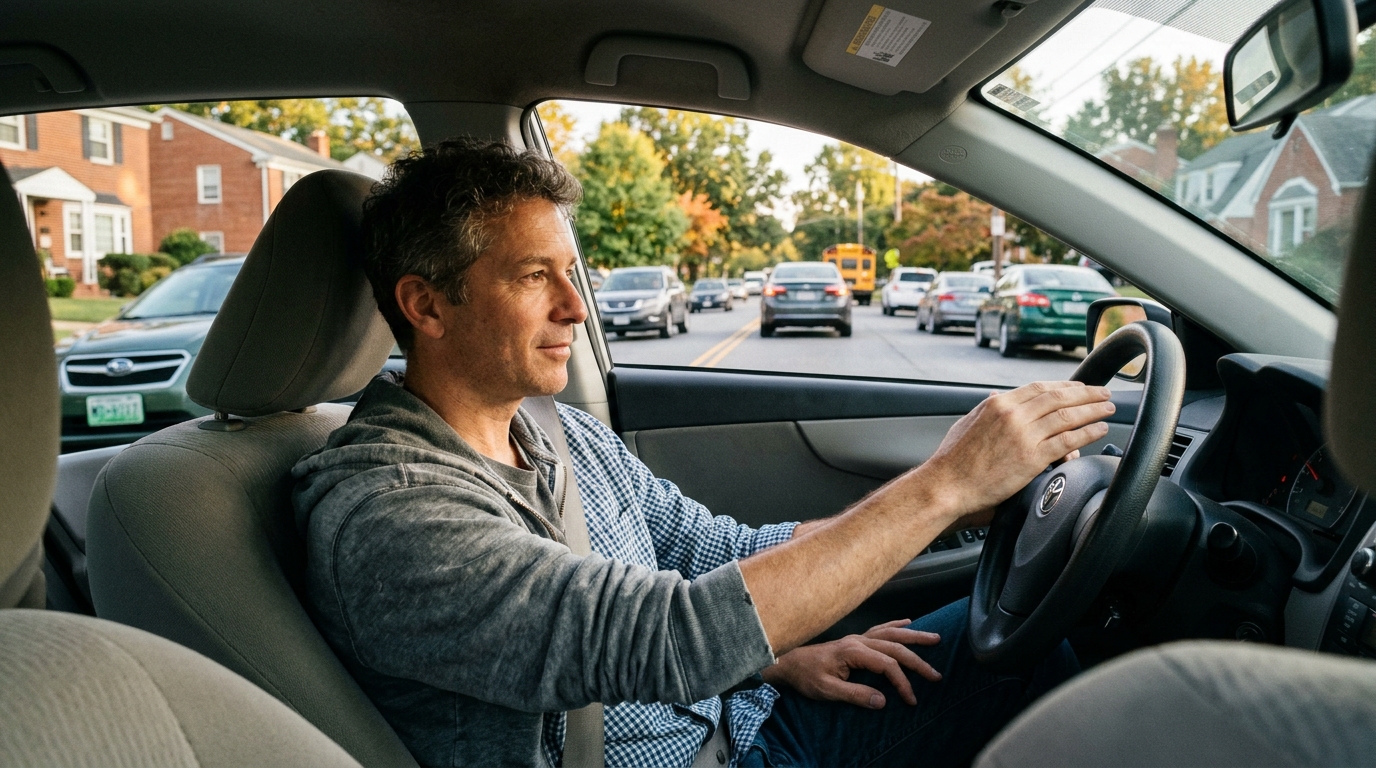
It’s a rite of passage for countless families across the Washington metropolitan area: the nerve-wracking, often hilarious, and undeniably crucial journey of teaching a teenager how to drive. For many parents, it’s a delicate balance between staying calm and, well, freaking out a little. This universal DMV experience recently played out in a very public way as News4's own traffic reporter took on the challenge of instructing his teen son behind the wheel. The local news personality, intimately familiar with the region's notorious traffic patterns and intricate roadways, is now navigating the personal challenge of instilling those same lessons in his son. This relatable scenario highlights the unique pressures and learning curves young drivers face when first hitting the roads in DC, Maryland, and Virginia.
The DMV Driving Experience: More Than Just Roads
Learning to drive anywhere comes with its share of challenges, but the DMV region adds a few extra layers of complexity. From the multi-lane beltways to the confusing one-way streets of downtown DC, new drivers here encounter a diverse array of driving conditions. It’s not just about knowing the rules; it's about anticipating aggressive drivers, understanding complex interchanges, and mastering parallel parking in tight urban spaces. For parents, this means their own driving expertise is put to the ultimate test. They're not just passengers; they're on-the-spot instructors, constantly evaluating, advising, and occasionally bracing themselves. The question posed by the News4 segment title – "Freak out or stay calm?" – perfectly encapsulates the parental dilemma.New drivers in the DMV face a unique blend of urban complexity, high traffic volume, and diverse road conditions, making parental guidance and formal instruction critical.
Navigating Learner's Permits and Provisional Licenses
Each jurisdiction within the DMV has specific requirements for new drivers, designed to ensure they gain sufficient experience before earning a full license. In Maryland, for instance, a learner's permit requires a minimum of nine months of holding the permit, 60 hours of supervised driving (including 10 at night), and completion of a state-approved driver education course before applying for a provisional license. Similarly, Virginia mandates a minimum of 45 hours of supervised driving, with at least 15 hours after sunset, for those under 18 seeking a provisional license. The DC Department of Motor Vehicles also outlines a graduated licensing program emphasizing supervised practice. These regulations underscore the importance of extensive practice, often supervised by a parent or guardian. While professional driving schools play a vital role in teaching fundamental skills and road rules, much of the real-world application happens with a parent in the passenger seat, guiding their child through everyday situations like rush hour traffic or navigating unfamiliar neighborhoods.The Role of a Traffic Reporter
For someone whose profession revolves around understanding and communicating traffic flow, the experience of teaching a new driver must offer a unique perspective. A traffic reporter sees the region's roadways from a bird's-eye view, analyzing accidents, congestion points, and construction delays. Translating that high-level understanding into practical, on-the-ground instruction for a novice driver presents an interesting challenge. It's one thing to report on a lane closure; it's another to coach a teenager through merging into a rapidly moving lane of traffic during that same closure. This local story serves as a reminder to all DMV residents about the importance of patient, thorough driver education. Whether you're a parent embarking on this journey with your own child or simply sharing the road with new drivers, understanding the learning process is key to fostering safer driving habits for everyone.What This Means for DMV Residents
This local news piece resonates deeply with families across the DMV. It highlights the shared experience of preparing young people for the challenges of driving in one of the nation's busiest metropolitan areas. For parents with teens approaching driving age, it’s a call to remember the importance of patience, consistent practice, and leading by example. It also underscores the value of both professional driver education and extensive supervised practice hours. As our local roadways continue to evolve with new infrastructure and increasing traffic, ensuring the next generation of drivers is well-prepared is a community-wide effort.📍 Local Resources for New Drivers & Parents
Washington, DC Department of Motor Vehicles (DMV)
Information on learner's permits, provisional licenses, and driver education requirements in the District.
🌐 Website: dmv.dc.gov
📞 Phone: (202) 737-4404
Maryland Motor Vehicle Administration (MVA)
Details on Maryland's Graduated Licensing System, permit requirements, and certified driver education programs.
🌐 Website: mva.maryland.gov
📞 Phone: (410) 768-7000
Virginia Department of Motor Vehicles (DMV)
Comprehensive guide to obtaining a learner's permit and driver's license for teens in Virginia, including supervised driving logs.
🌐 Website: dmv.virginia.gov
📞 Phone: (804) 497-7100
AAA Mid-Atlantic - Driving Resources
Offers driving safety tips, driver education programs, and resources for teen drivers and their parents.
🌐 Website: cluballiance.aaa.com
📞 Phone: (800) 222-4242
Advertisement