Empty Desks and Lingering Fear: How Immigration Enforcement is Reshaping DMV Classrooms
Share this article
A Climate of Fear in Classrooms
The impact of immigration enforcement extends far beyond a single arrest or family separation. It creates a pervasive climate of fear that permeates daily life for many students and their families. Children, especially those with undocumented family members, live with the constant worry that a parent might not be home when they return from school, or that they themselves might be next to disappear. This psychological burden can manifest in various ways, affecting their ability to concentrate in class, engage with peers, and even attend school regularly. Educators across the DMV are on the front lines, witnessing this distress firsthand. They report seeing students become withdrawn, anxious, or struggle academically as a direct result of the instability at home. The fear isn't abstract; it's a tangible presence in the hallways and classrooms. School counselors and support staff are increasingly called upon to address the emotional fallout, often with limited resources and without the ability to directly intervene in federal immigration matters."You come Monday, someone's gone." — Local Educators (NBC Washington)
Empty Desks and Anxious Families
The most visible and heartbreaking consequence of this fear is the phenomenon of students simply vanishing from school rosters. While the precise numbers are difficult to track due to privacy concerns and the transient nature of some populations, educators confirm that these disappearances are happening. A child might be present one day, only for their desk to be empty the next, with no explanation, leaving teachers and classmates wondering what happened.Schools as Safe Havens?
School districts across the DMV, from DC Public Schools to county systems in Maryland and Virginia, often strive to be welcoming environments for all students, regardless of immigration status. Many have policies in place to protect student privacy and to limit the access of immigration enforcement agents on school grounds without proper warrants. However, these policies can only go so far when families are making decisions based on fear outside of school hours. School staff, including principals, teachers, and counselors, are finding themselves in complex roles, trying to provide both educational instruction and emotional support. They often act as unofficial navigators for families, connecting them with legal aid organizations or community resources, though their primary mission remains education. The Maryland State Department of Education, much like its counterparts in Virginia and DC, provides guidance to local districts on supporting all students, yet the unique pressures of immigration enforcement add layers of difficulty.What This Means for DMV Communities
The ongoing impact of immigration enforcement on DMV schools underscores a broader challenge for the region's diverse communities. When children are afraid to attend school, or when families are forced to uproot, it weakens the fabric of neighborhoods and creates instability. It can lead to a less engaged populace, a decline in school enrollment in certain areas, and an increased strain on social services. For DMV residents, this situation highlights the importance of understanding the challenges faced by immigrant families and supporting local school initiatives that aim to create inclusive and supportive environments. It's a reminder that federal policies have very real, very local consequences, shaping the lives of children right here in our backyard. As discussions around immigration policy continue at the national level, the local impact on our schools and young people remains a critical issue to watch.📍 Local Resources
Provides legal assistance to detained immigrants and asylum seekers in the DMV area, including families and children.
Explore more on this topic
Related Stories
DMV Rents Higher Than They Could Be? New Data Suggests Pandemic Kept Prices from Soaring Even More
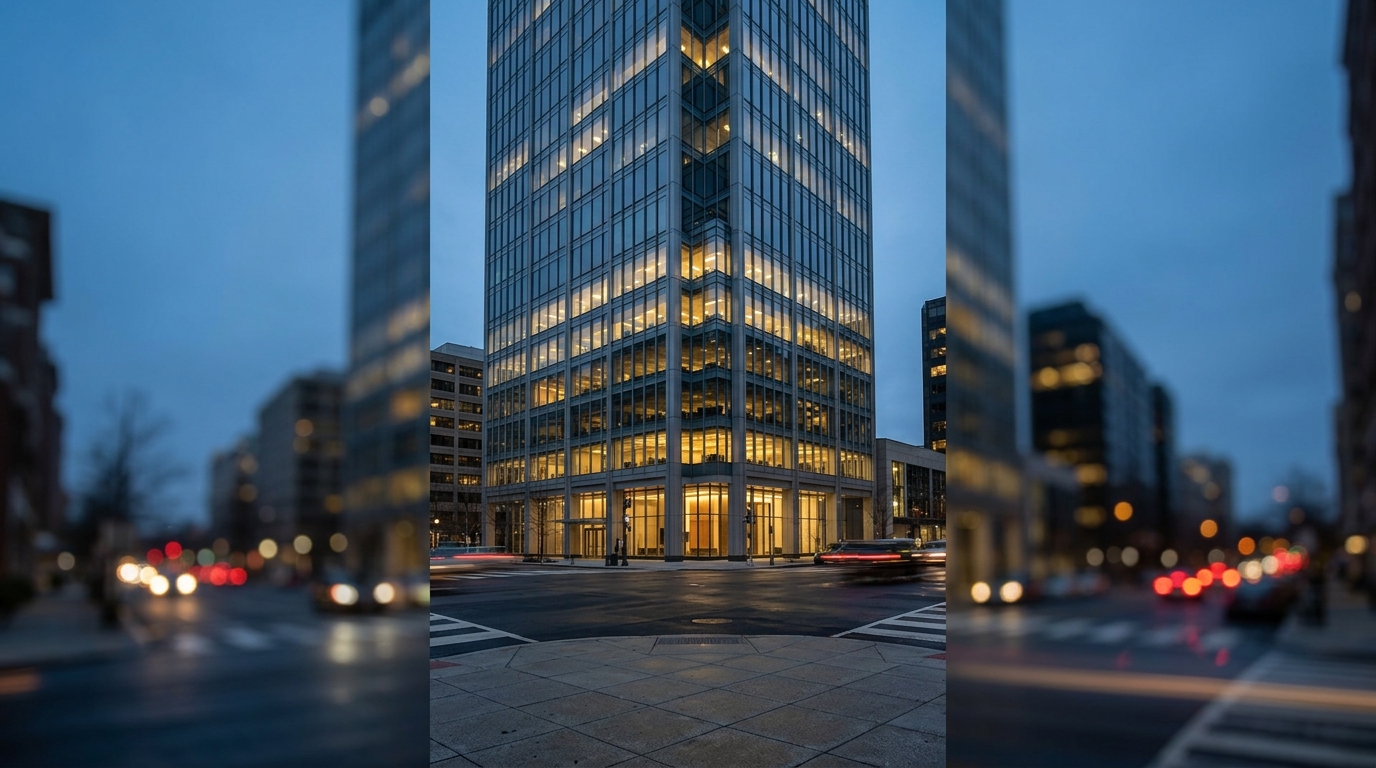
A new data analysis suggests apartment rents in the D.C. region, while high, would have been even pricier today if the COVID-19 pandemic hadn't intervened and altered market trends.
River Terrace Park Grapples with Persistent Cookout Trash Problem, Frustrating Neighbors
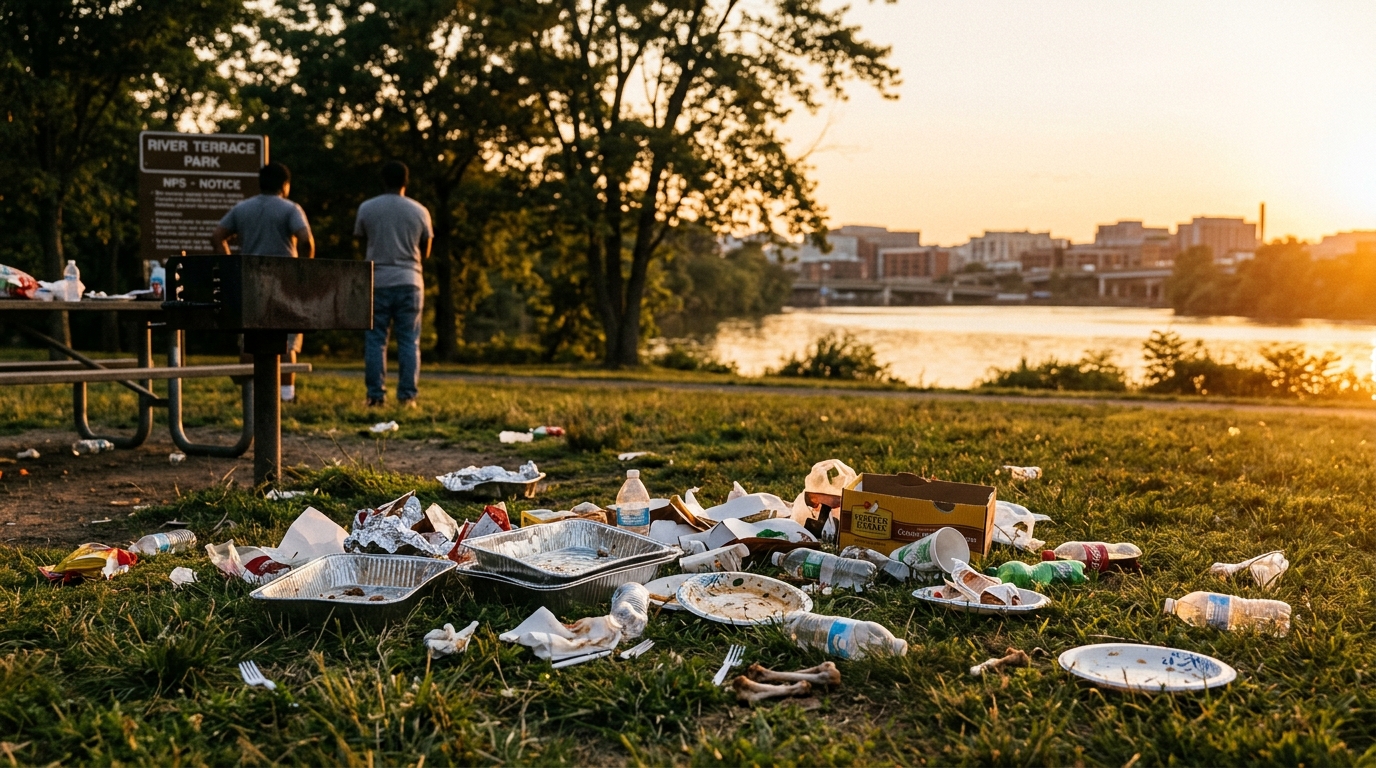
River Terrace Park in Southeast DC is facing a recurring issue with abandoned cookout trash, frustrating neighbors who report it's a weekly problem. Due to the park being NPS land, city cleanup efforts are reportedly limited, leaving residents to organize their own cleanups.
Silver Spring's Downtown Reinvention: A Blueprint for Urban Revival in the DMV
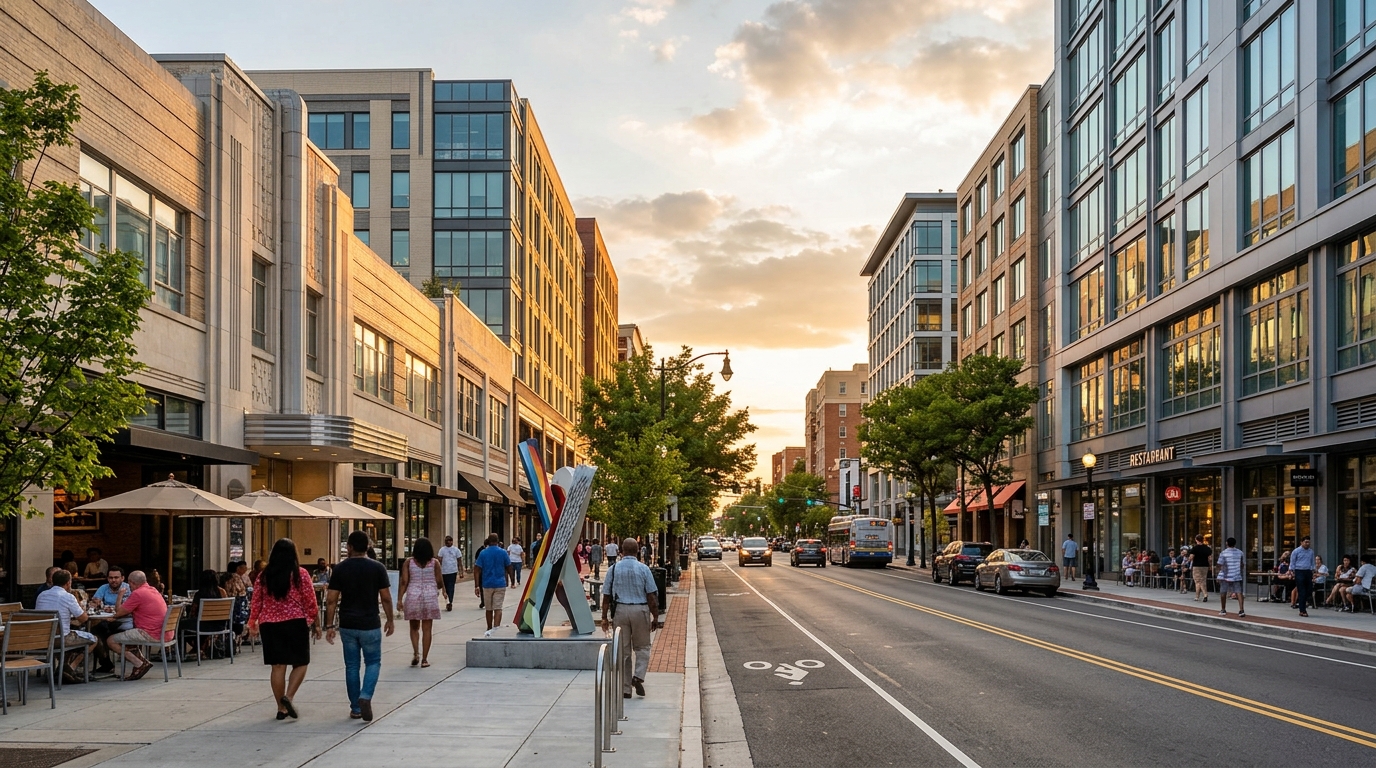
Downtown Silver Spring has transformed into a vibrant urban center, offering a blueprint for other DMV communities seeking revitalization through strategic growth, diversity, and reinvention.