Weather & Traffic
Montgomery County
DMV Swelters Under Record Heat: Keeping Our Furry Friends Safe
Share this article
Advertisement
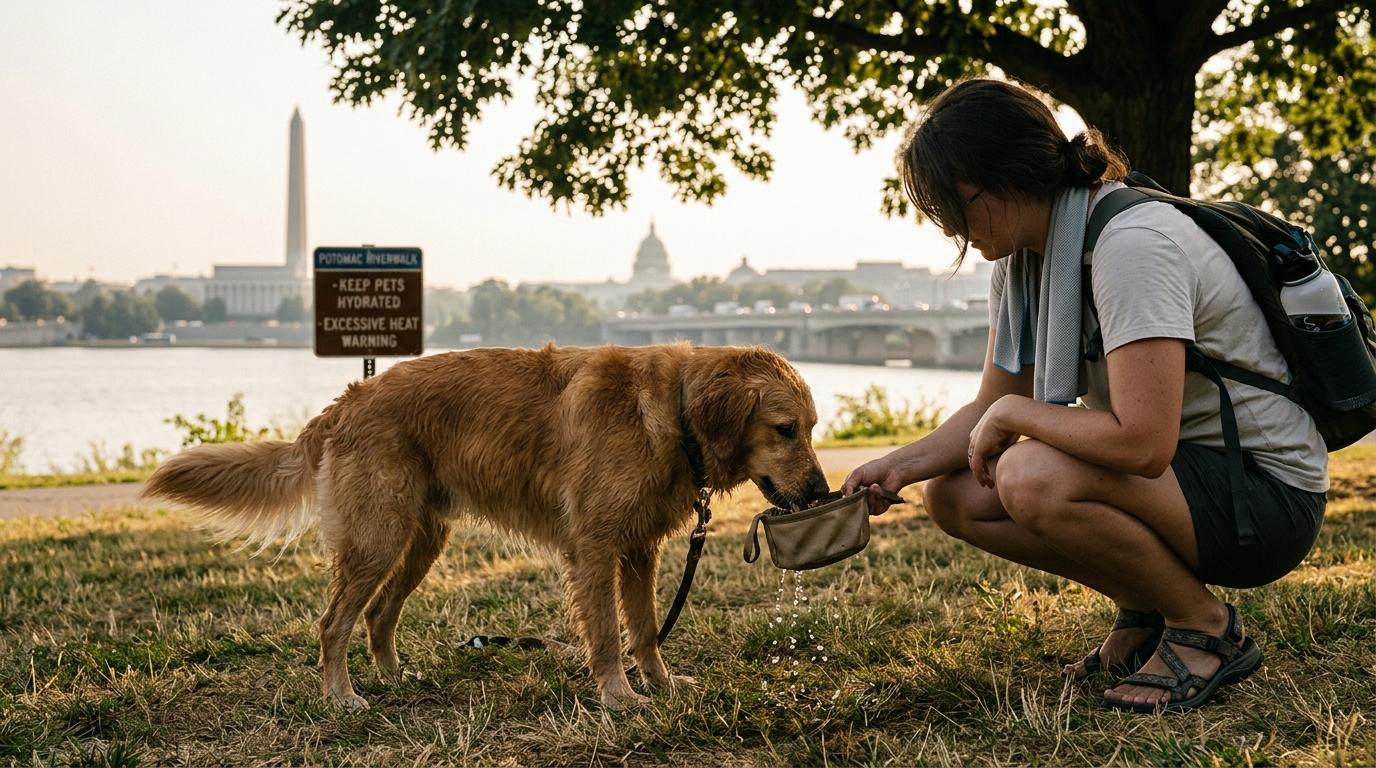
The summer sun isn't just bringing warmth to the DMV; it's ushering in "record-breaking heat" that demands our attention, especially when it comes to the beloved pets sharing our homes and neighborhoods [1]. As temperatures climb to dangerous levels across Washington, D.C., Maryland, and Northern Virginia, understanding how to protect our four-legged companions from heatstroke and other heat-related illnesses isn't just good practice—it's absolutely vital. For many of us, a walk around the block or a romp in the park is a daily ritual with our dogs. But when the mercury skyrockets, these simple pleasures can turn deadly. This isn't just about making sure they have water; it's about recognizing the subtle signs of distress and taking proactive steps to prevent tragedy.
Understanding the Dangers of Extreme Heat for Pets
Just like people, pets can suffer from heatstroke when their bodies can't regulate their internal temperature. Unlike us, dogs and cats primarily cool themselves by panting, which isn't always efficient enough in extreme humidity or high temperatures. Brachycephalic breeds, like bulldogs, pugs, and Persian cats, with their short snouts, are particularly vulnerable because they struggle more to breathe and cool down. Older pets, very young pets, and those with underlying health conditions or obesity are also at higher risk. The pavement itself can be a silent killer. Imagine walking barefoot on asphalt that's been baking in 90-degree sun; it can easily reach 140 degrees or more. That's hot enough to cause severe burns to paw pads in just a few minutes. Always test the ground with your hand for at least seven seconds before taking your dog for a walk. If it's too hot for your hand, it's too hot for their paws. Opt for walks during the coolest parts of the day—early morning or late evening—and stick to grassy areas whenever possible.Never leave a pet unattended in a parked car, even with the windows cracked, as internal temperatures can reach dangerous levels in minutes.
Hydration and Shelter: Essential Protections
Ensuring your pets have constant access to fresh, cool water is non-negotiable. Place multiple water bowls around your home and yard, refilling them frequently. For outdoor pets, consider adding ice cubes to their water to keep it cooler longer. In the backyard, make sure there's ample shade available at all times of the day. A dog house isn't always sufficient; look for natural shade from trees or provide a tarp or umbrella. Remember, concrete patios can also radiate heat, so a raised cot or bed can help keep them off the hot surface. When you're out and about, especially during car rides, carry a portable water bowl and a bottle of water for your pet. Many local parks and trails, while beautiful, might not have readily available water sources, so it's best to be prepared. For those living in apartments, a cooling mat or a damp towel can offer a nice spot for your pet to relax and bring down their body temperature.Recognizing the Signs of Heatstroke
Knowing the symptoms of heatstroke can mean the difference between life and death for your pet. Watch for excessive panting, difficulty breathing, drooling, lethargy, weakness, staggering, collapse, seizures, or vomiting. Gums might appear bright red or bluish. If you notice any of these signs, act immediately. Move your pet to a cooler environment, spray them gently with cool (not cold) water, and place cool, wet towels on their head, neck, and between their legs. Offer small amounts of water. Crucially, do not use ice water, as it can cause blood vessels to constrict and actually hinder cooling. Contact your veterinarian or an emergency animal hospital right away. The sooner they receive professional care, the better their chances of recovery. Many local animal control agencies, like the Humane Rescue Alliance in D.C., offer guidance on recognizing and treating heat distress.Local Efforts and Community Responsibility
Across the DMV, local animal control services and welfare organizations are working to educate the public and respond to calls about pets in distress. Agencies like Montgomery County Animal Services and Adoption Center and Fairfax County Animal Protection Police regularly issue warnings and tips during heatwaves. They emphasize that if you see an animal in a hot car or showing signs of distress, it's important to contact local authorities immediately. Never try to rescue an animal from a locked car yourself, as this can be dangerous and potentially lead to legal issues. This record-breaking heat isn't just a temporary inconvenience; it's a serious health threat that requires vigilance from all of us. As DMV residents, we have a collective responsibility to ensure the safety and well-being of all creatures, great and small. Let's make sure our furry family members stay cool, hydrated, and out of harm's way until these dangerous temperatures subside. For more information on pet safety during hot weather, check resources from the American Veterinary Medical Association.📍 Local Resources
Humane Rescue Alliance (Washington, D.C.)
Provides animal control, rescue services, and emergency care for pets in D.C., including heat-related incidents.
📞 Phone: (202) 723-5730 (Animal Control)
🌐 Website: humanerescuealliance.org
📍 Location: 1201 New York Ave NE, Washington, DC 20002
🕐 Hours: Varies by service, emergency services available.
Montgomery County Animal Services and Adoption Center (Maryland)
Offers animal welfare services, including response to animal emergencies and cruelty investigations in Montgomery County.
📞 Phone: (240) 773-5900
🌐 Website: montgomerycountymd.gov/animalservices
📍 Location: 7315 Muncaster Mill Rd, Derwood, MD 20855
🕐 Hours: Tue-Sun 12pm-7pm (Adoptions), emergency services available.
Fairfax County Animal Protection Police (Virginia)
Advertisement