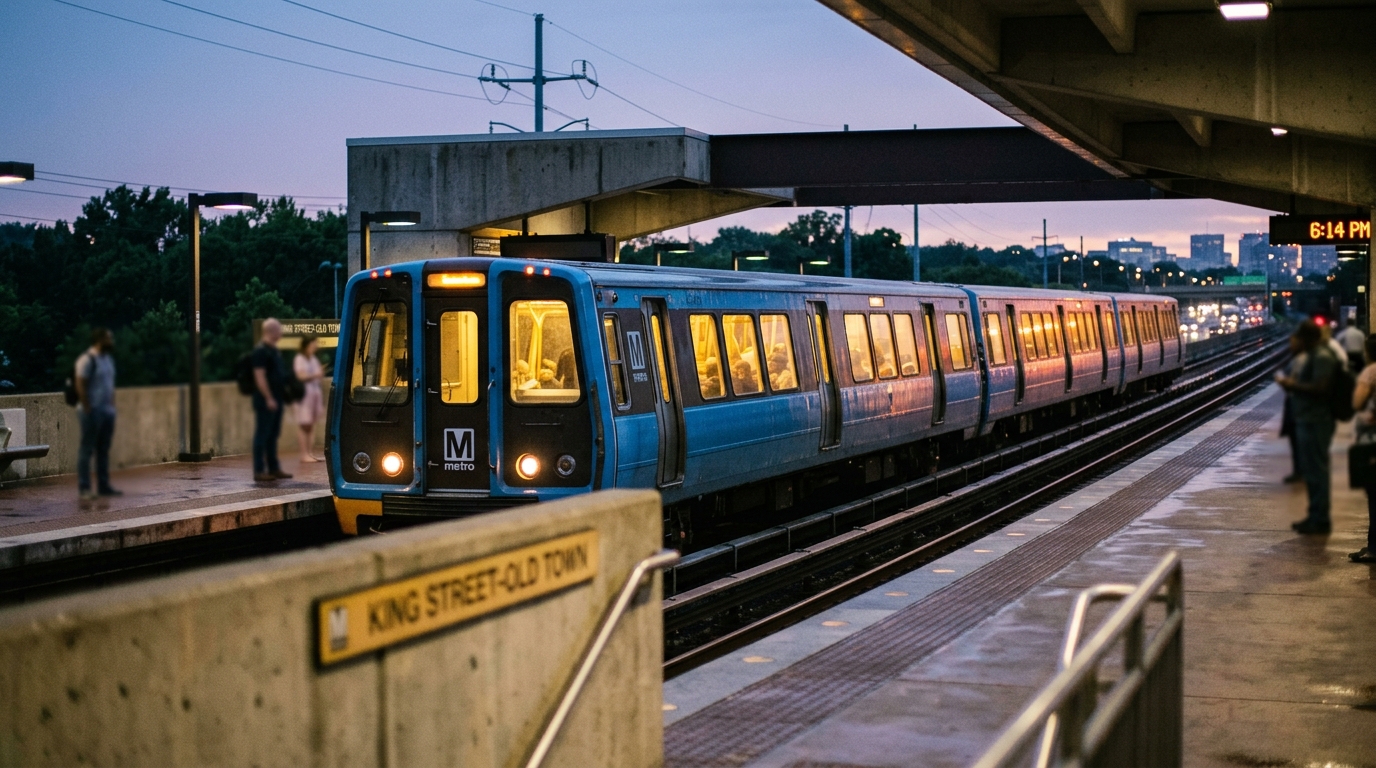
DMV Braces for Record Heat: Baltimore and Region Face Dangerous Temperatures This Week
Share this article
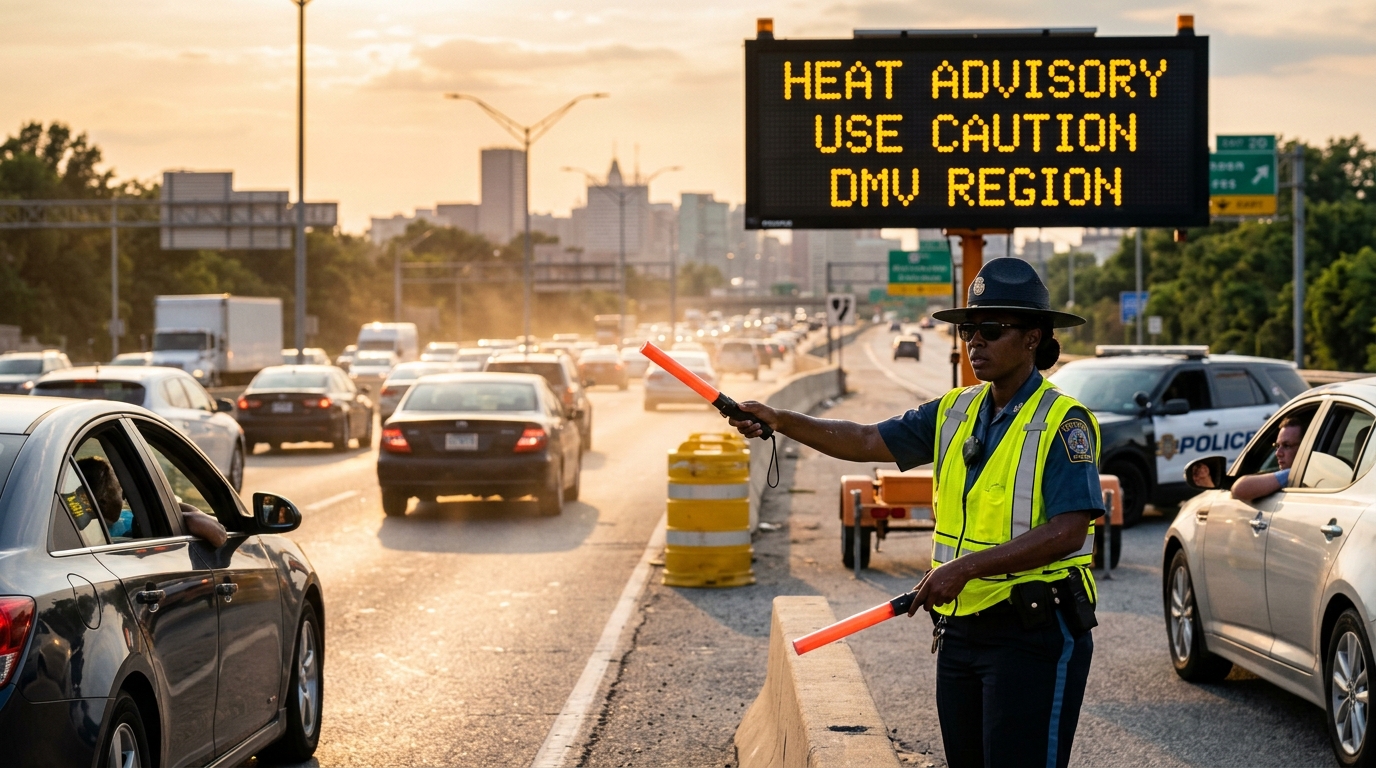
The Baltimore metropolitan area, along with much of the wider Washington D.C. region, is preparing for a significant heatwave in the coming days, with forecasters indicating the possibility of record-breaking temperatures. Residents across the DMV are urged to take precautions as conditions could become dangerous, especially for vulnerable populations [1].
According to WBAL-TV, Baltimore is specifically eyeing summer-like heat that could push into record territory. This intense warmth is not expected to be isolated to Baltimore, with the entire Mid-Atlantic experiencing a surge in temperatures. The National Weather Service (NWS) Sterling office, which covers the D.C. and Baltimore metropolitan areas, has issued advisories, emphasizing the potential for heat index values to reach hazardous levels.
Understanding the Threat: What to Expect
Meteorologists predict a dome of high pressure will settle over the region, trapping heat and leading to consecutive days of elevated temperatures. Daytime highs are expected to climb well into the 90s, with some areas potentially reaching triple digits. More critically, the heat index – what the temperature feels like to the human body when humidity is combined with the air temperature – could exceed 100 degrees Fahrenheit. These conditions significantly increase the risk of heat-related illnesses.
The duration of this heat event is also a concern. Multiple days of extreme heat mean that buildings and paved surfaces will retain warmth overnight, offering little relief and making it harder for bodies to cool down. This cumulative effect can exacerbate health issues, particularly for those without air conditioning or adequate ventilation.
Health Risks and Vulnerable Populations
Exposure to prolonged high temperatures can lead to serious health complications, including heat exhaustion and heat stroke. Symptoms of heat exhaustion include heavy sweating, weakness, cold, pale, and clammy skin, muscle cramps, faintness, and vomiting. Heat stroke, a medical emergency, presents with a body temperature above 103 degrees Fahrenheit, red, hot, and dry skin, a rapid, strong pulse, and unconsciousness. If you suspect heat stroke, call 911 immediately.
The Centers for Disease Control and Prevention (CDC) stresses that certain groups are more susceptible. These include infants and young children, people aged 65 or older, individuals with chronic medical conditions (like heart disease, high blood pressure, or diabetes), and those taking certain medications. Outdoor workers, athletes, and individuals experiencing homelessness also face elevated risks.
Local Government Response and Public Safety Measures
DMV jurisdictions are activating their heat emergency plans. This typically involves opening cooling centers, which are air-conditioned public facilities where residents can seek refuge from the heat. Local officials are also issuing public service announcements, advising residents on how to stay safe.
For instance, Baltimore City's Health Department often activates its Code Red Extreme Heat Alert, which triggers the opening of cooling centers and provides outreach to vulnerable communities. Similarly, Washington D.C. and various Maryland and Virginia counties have robust systems for disseminating information and establishing cooling sites. Residents are encouraged to check their local government websites for the most up-to-date information on cooling center locations and hours.
The NWS Baltimore/Washington forecast office provides continuous updates on weather conditions, including heat advisories and excessive heat warnings. Staying informed through official channels is crucial during such events.
Staying Safe: Practical Tips for DMV Residents
To mitigate the risks of extreme heat, experts recommend several key strategies:
- Stay Hydrated: Drink plenty of water, even if you don't feel thirsty. Avoid sugary drinks, alcohol, and caffeine, which can lead to dehydration.
- Seek Air Conditioning: Spend as much time as possible in air-conditioned environments. If you don't have AC at home, visit public cooling centers, libraries, malls, or movie theaters.
- Limit Outdoor Activity: Avoid strenuous outdoor activities during the hottest parts of the day, typically between 10 a.m. and 4 p.m. If you must be outside, take frequent breaks in the shade.
- Wear Appropriate Clothing: Opt for lightweight, loose-fitting, light-colored clothing.
- Check on Others: Look in on elderly neighbors, friends, and family members who may be vulnerable to the heat. Never leave children or pets unattended in vehicles.
- Take Cool Showers or Baths: A cool shower or bath can help lower your body temperature.
As the DMV faces this period of potentially record-setting heat, community vigilance and adherence to safety guidelines will be paramount in protecting public health.
📍 Local Resources
Provides official weather forecasts, warnings, and advisories for the DMV region.
Information on activated cooling centers and severe weather alerts for District residents.
Details on Baltimore's heat emergency response, including cooling center locations and safety tips.
Provides emergency preparedness information and updates on cooling centers for Fairfax County, Virginia.
Explore more on this topic
Related Stories
Laurel Polling Place Grapples with Long Lines and Ballot Shortages
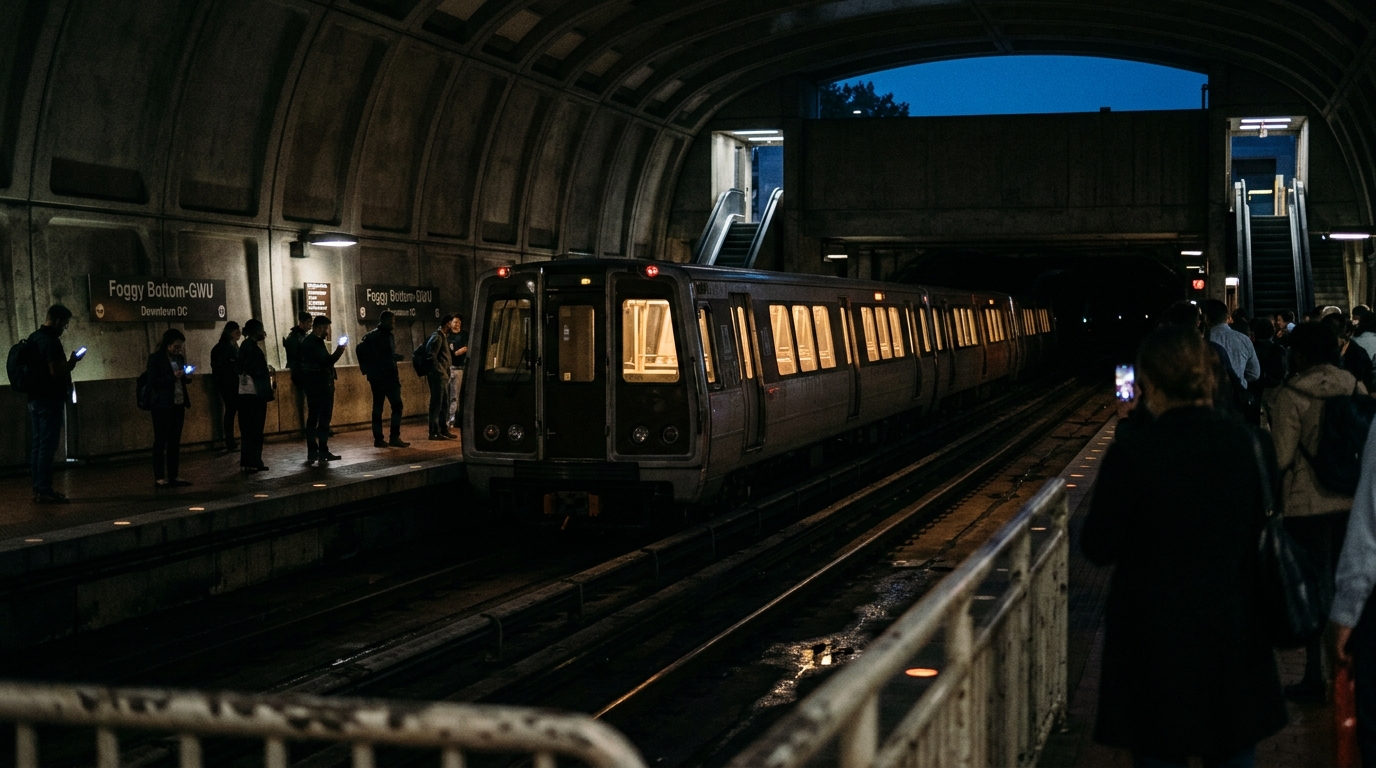
Sudden Power Outage Knocks Out Power for Over 1,100 Pepco Customers in Foggy Bottom, Downtown DC
Over 1,100 Pepco customers in Foggy Bottom and Downtown DC experienced a sudden power outage due to a substation failure, disrupting daily life and business operations in the bustling city center.