DMV Real Estate: Your Definitive County-by-County Price Guide
Share this article

Unlock the DMV real estate market with our comprehensive county-by-county guide. This article will explore median home prices, key market trends, and what to expect in Washington D.C., Maryland, and Virginia for the next 12-24 months, providing insights for both prospective buyers and sellers in this dynamic region.
Quick Answer: The DMV real estate market remains highly competitive and resilient, driven by strong job growth and limited inventory. Washington D.C. and core Northern Virginia counties (Arlington, Fairfax, Loudoun) consistently see the highest median home prices, often exceeding $700,000. Maryland's Montgomery and Howard Counties follow closely, while areas further out like Prince George's County (MD), Prince William County (VA), and Stafford County (VA) generally offer more accessible price points, typically in the $400,000-$600,000 range. Expect continued appreciation, though potentially at a slower pace, throughout 2024-2025, with interest rates and inventory levels being key influencers.
Introduction: Understanding the Dynamic DMV Real Estate Landscape
The Washington D.C. metropolitan area, affectionately known as the DMV, is a unique and perpetually active real estate market. Fueled by a robust economy anchored by federal government jobs, a burgeoning tech sector, defense contractors, and world-class healthcare and education institutions, demand for housing here rarely wanes. This region's appeal stems from its diverse job opportunities, cultural attractions, and a blend of urban, suburban, and even semi-rural living options. However, this consistent demand, coupled with historically limited housing supply, creates a competitive environment where property values generally trend upwards. Understanding the nuances of each county and jurisdiction within the DMV is crucial, as prices, trends, and lifestyle offerings can vary dramatically even a few miles apart.
Unlike many other major metropolitan areas, the DMV's economic stability often insulates it from severe market downturns, making it a relatively safe long-term investment. Whether you're a first-time homebuyer navigating the complexities of a fast-paced market, a seasoned investor looking for growth opportunities, or a long-time resident considering a move, grasping the intricate dynamics of local real estate is paramount. From the bustling streets of downtown D.C. to the sprawling suburbs of Northern Virginia and the diverse communities of Maryland, each area tells its own story through its housing market.
Washington D.C.: A Closer Look at the Nation's Capital Housing Market
Washington D.C. proper stands as the epicenter of the DMV, boasting some of the highest price per square foot values in the nation. Its housing market is characterized by dense urban living, historic charm, and a high concentration of government and related professional jobs. Demand here is relentless, often outstripping the limited supply of buildable land. Single-family homes, particularly in established neighborhoods like Georgetown, Capitol Hill, and American University Park, command premium prices, often well into the millions. Median home prices in D.C. typically hover around the high $700,000s to low $800,000s, but this figure can be significantly higher in sought-after areas.
Neighborhood Dynamics and Property Types
The District's market is highly segmented. In areas like Logan Circle, Shaw, and Navy Yard, modern condominiums and renovated rowhouses are the norm, appealing to young professionals and those seeking vibrant city life. These areas have seen substantial development and price appreciation over the last decade. Conversely, neighborhoods like Friendship Heights or Spring Valley offer more traditional single-family homes with larger lots, catering to families or those desiring more space while remaining within the city limits. The ongoing revitalization of Anacostia and other Wards 7 and 8 neighborhoods continues to offer more accessible price points, though these areas are also experiencing steady appreciation as the city expands its footprint and amenities.
Maryland's Diverse Market: From Anne Arundel to Montgomery County
Maryland's portion of the DMV offers a broad spectrum of housing options, from the affluent, D.C.-adjacent suburbs to more rural and coastal communities further out. The market here is primarily driven by its proximity to the capital, strong school systems, and diverse economic hubs.
Montgomery County: Affluent and In-Demand
Montgomery County, bordering D.C., is consistently one of the wealthiest counties in the nation. Its appeal lies in its excellent public schools, robust job market (NIH, FDA, tech companies), and convenient Metro access. Areas like Bethesda, Chevy Chase, and Potomac feature luxury homes, while Silver Spring, Rockville, and Gaithersburg offer a mix of single-family homes, townhouses, and condos across various price points. Median home prices in Montgomery County typically range from $600,000 to $700,000, reflecting its strong demand and high quality of life.
Prince George's County: Growth and Affordability
Prince George's County offers a more diverse and generally more affordable housing market compared to Montgomery. With a median home price often in the $400,000s to low $500,000s, it provides entry points for many first-time buyers. However, areas like National Harbor, College Park (home to the University of Maryland), and Bowie are experiencing significant growth and appreciation, driven by new development and improved amenities. Its strategic location, with easy access to D.C. via the Capital Beltway (I-495) and several Metro lines, makes it an attractive option for commuters seeking value.
Anne Arundel, Howard, and Frederick Counties: Expanding Horizons
Further east, Anne Arundel County boasts waterfront properties, historic Annapolis, and convenient access to both D.C. and Baltimore. Its median home prices typically fall between $500,000 and $600,000. Howard County, known for its master-planned community of Columbia and top-ranked schools, rivals Montgomery County in desirability, with median prices often exceeding $600,000. To the west, Frederick County offers a more suburban and semi-rural feel, appealing to those seeking more space and a slightly lower cost of living, with median prices typically in the $450,000 to $550,000 range. These counties provide excellent options for those willing to commute a bit further for more space or specific lifestyle amenities.
Virginia's Varied Landscape: Northern Virginia's Hot Spots and Beyond
Northern Virginia (NOVA) is a powerhouse of economic activity and one of the most competitive real estate markets in the country. Its proximity to D.C., a booming tech industry (often called "Data Center Alley" in Loudoun), and top-tier public schools drive intense demand.
Arlington County: Urban Convenience at a Premium
Arlington County, directly across the Potomac River from D.C., is a highly desirable area known for its vibrant urban villages like Clarendon, Rosslyn, and Ballston. With excellent Metro connectivity and a dense concentration of businesses, it appeals to those seeking an active, walkable lifestyle. Single-family homes are scarce and command extremely high prices, often $800,000+, while condos and townhouses are more common. The median home price in Arlington typically ranges from $750,000 to $850,000, reflecting its prime location and amenities.
Fairfax County: Diversity and Economic Might
Fairfax County is the largest jurisdiction in Northern Virginia by population and offers an incredibly diverse housing market. From the luxury estates of McLean and Great Falls to the bustling urban centers of Tysons and Reston, and more suburban communities like Burke and Springfield, there's something for every budget and lifestyle. Home to major employers, top-rated schools, and extensive park systems, Fairfax remains a top choice for families and professionals. Median home prices generally sit between $650,000 and $750,000, though this can vary wildly by specific zip code.
Loudoun County: Rapid Growth and Tech Hub
Loudoun County, once primarily rural, has transformed into a major economic engine, particularly along the Dulles Tech Corridor. Its rapid population growth, driven by tech companies and a desire for newer, larger homes, has fueled significant price appreciation. Communities like Ashburn, Leesburg, and Sterling offer a mix of single-family homes, townhouses, and some condos. Despite its growth, Loudoun still offers a slightly more suburban feel than its inner-ring counterparts. Median home prices here are strong, often in the $700,000 to $800,000 range, especially for newer construction.
Prince William and Stafford Counties: Value and Commuter Options
Further south along I-95, Prince William County provides more accessible price points without sacrificing essential amenities. With median home prices typically in the $500,000 to $600,000 range, it's attractive to buyers seeking more space for their money. Communities like Manassas, Woodbridge, and Gainesville offer diverse housing stock and benefit from commuter options like the Virginia Railway Express (VRE). Stafford County, even further south, offers some of the most affordable options in Northern Virginia, often in the $400,000 to $500,000 range, appealing to military families stationed at Quantico and those willing to commute for greater value.
Key Factors Shaping DMV Real Estate Prices and Trends
Several interconnected factors continuously influence the DMV's real estate market, contributing to its unique stability and competitiveness. Understanding these elements is crucial for anyone looking to make a move in the region.
Economic Strength and Job Growth
The DMV benefits from an exceptionally resilient economy. The presence of the federal government provides a stable employment base, complemented by a thriving private sector in technology, cybersecurity, defense contracting, healthcare, and education. Companies like Amazon (with HQ2 in Arlington) and major tech firms continue to attract talent, ensuring a constant influx of high-earning individuals who contribute to housing demand. This robust job market means consistent buyer activity, even amidst broader economic fluctuations.
Limited Housing Supply and Development Challenges
Despite ongoing development, the DMV faces persistent challenges with housing supply. D.C. proper has limited buildable land, and even in suburban counties, zoning regulations and community opposition can slow down new construction. This imbalance between strong demand and constrained inventory is a primary driver of price appreciation. While new projects are continuously underway, they often struggle to keep pace with the region's population growth.
Interest Rate Fluctuations and Affordability
Interest rates play a significant role in buyer affordability and market sentiment. Higher rates can reduce purchasing power, potentially cooling off rapid price growth or leading to longer market times. Conversely, lower rates stimulate demand, often leading to bidding wars and quicker sales. The DMV market, however, tends to absorb rate changes with relative resilience due to the strength of its local economy and the high earning potential of its residents. While some buyers may be priced out or choose to wait, a significant pool of qualified buyers often remains.
Infrastructure and Commute Times
Transportation infrastructure is paramount in the DMV. Proximity to Metro stations, major highways like I-66, I-495 (the Capital Beltway), Route 50, and access to commuter rail (VRE, MARC) heavily influence property values. Areas with convenient commutes to job centers in D.C., Tysons, or Bethesda often command higher prices. Ongoing investments in infrastructure, such as the I-66 widening project or Metro Silver Line expansion, can significantly impact the desirability and value of surrounding communities.
Navigating the Market: Essential Tips for Buyers and Sellers
Whether you're looking to purchase your first home or capitalize on the value of your current property, strategic planning is essential in the DMV's competitive real estate environment.
For Buyers: Be Prepared and Persistent
- Get Pre-Approved Early: In a fast-moving market, a solid pre-approval letter from a reputable lender is non-negotiable. It shows sellers you are serious and financially capable.
- Define Your Priorities: Commute time, school districts, amenities, and property type are all critical. Be clear on your must-haves versus nice-to-haves, but also be prepared to compromise on some aspects.
- Act Swiftly but Prudently: Desirable properties often receive multiple offers within days. Be ready to make a competitive offer, but avoid waiving all contingencies without careful consideration of the risks.
- Expand Your Search Radius: If your ideal neighborhood is too competitive, consider adjacent communities or those slightly further out that offer similar amenities and better value. Many areas are rapidly appreciating as infrastructure improves.
- Work with a Local Expert: A real estate agent with deep, hyper-local knowledge of the specific neighborhoods you're interested in can provide invaluable insights into pricing, upcoming developments, and off-market opportunities.
For Sellers: Optimize Presentation and Pricing
- Price Competitively: While demand is high, overpricing can deter potential buyers. Work with your agent to analyze recent comparable sales and price your home strategically to attract multiple offers.
- Stage Your Home Effectively: First impressions are critical. Declutter, depersonalize, and make necessary repairs. Professional staging can significantly enhance appeal and perceived value.
- Highlight Local Amenities: Emphasize your home's proximity to Metro, major roads, parks, schools, restaurants, and shopping centers. Local amenities are a major draw for DMV buyers.
- Be Flexible with Showings: In a busy market, accommodating showing requests can maximize exposure and increase your chances of securing a strong offer quickly.
- Leverage Professional Marketing: High-quality photography, virtual tours, and targeted online marketing are crucial to reaching the broadest possible audience of qualified buyers in the DMV.
The Outlook Ahead: DMV Real Estate Predictions for 2024-2025
The DMV real estate market is expected to remain robust through 2024 and into 2025, though with some potential shifts in dynamics. While the frenetic pace of recent years may moderate slightly, fundamental drivers of demand are unlikely to diminish.
Continued Appreciation, Slower Pace
Expect property values across the DMV to continue appreciating, but likely at a more sustainable, single-digit annual rate compared to the double-digit surges seen during the height of the pandemic. This slower, steadier growth could provide a more balanced market for both buyers and sellers, reducing some of the intense pressure and bidding wars.
Interest Rates and Buyer Sentiment
The trajectory of interest rates will be a significant factor. If rates stabilize or even see slight decreases, it could re-energize buyer demand and affordability, potentially leading to increased market activity. Conversely, significant rate hikes could continue to temper buyer enthusiasm and lengthen market times. However, the strong economic fundamentals of the DMV often mean that buyer demand persists even in higher-rate environments, as many see real estate as a critical long-term investment in this region.
Inventory Remains a Challenge
Despite new construction, housing inventory is expected to remain relatively tight across the DMV. This ongoing supply-demand imbalance will continue to support property values. Areas with new development, particularly in the outer suburbs like Loudoun and Prince William Counties, may see some relief, but core urban and inner-suburban areas will likely continue to face constrained supply.
Hyper-Local Trends
As always, the DMV market will be highly localized. D.C. proper and the inner-ring suburbs of Arlington, Montgomery, and Fairfax will likely maintain their premium status and strong demand. Growth corridors in Loudoun, Prince William, and parts of Prince George's and Frederick Counties will continue to expand, offering newer housing stock and potentially more competitive pricing further from the urban core. Commute times, access to amenities, and quality of local schools will remain paramount in determining desirability and value at the neighborhood level.
Frequently Asked Questions
Which counties in the DMV offer the most affordable real estate options?
While affordability is relative, counties further from the immediate D.C. core often present lower median home prices. Areas like Prince George's County in Maryland or Stafford and Loudoun Counties in Virginia may offer more entry-level homes compared to their closer-in counterparts, depending on specific neighborhoods and amenities.
What are the primary factors influencing DMV real estate prices currently?
Key drivers include persistent demand fueled by strong job markets, limited housing supply, fluctuating interest rates, and regional economic stability. Population growth, particularly in Northern Virginia and suburban Maryland, also puts upward pressure on prices, alongside infrastructure development.
How do interest rate changes impact the DMV housing market?
Rising interest rates typically reduce buyer purchasing power, leading to a cooling effect on rapid price appreciation or even slight dips in demand. Conversely, lower rates can stimulate buyer activity and increase competition, potentially driving prices up. The DMV market often shows resilience due to its strong economic fundamentals.
Is now a good time to buy or sell a home in the DMV area?
This depends on individual circumstances and market segment. For sellers, low inventory often means multiple offers, but higher interest rates can temper buyer enthusiasm. Buyers face competition but may find more negotiating room in certain segments. Consulting a local real estate agent for personalized advice is always recommended.
How do real estate prices in Washington D.C. compare to surrounding Maryland and Virginia counties?
Washington D.C. generally commands the highest price per square foot due to its urban density and prestige. However, some affluent Northern Virginia counties like Arlington and Fairfax, and certain Maryland counties like Montgomery, can rival or exceed D.C.'s median home prices in their most desirable neighborhoods. The market is highly segmented.
Explore more on this topic
Related Stories

Roy Priest Returns to Lead Alexandria's Public Housing Authority, Aims to Steer It Back On Track
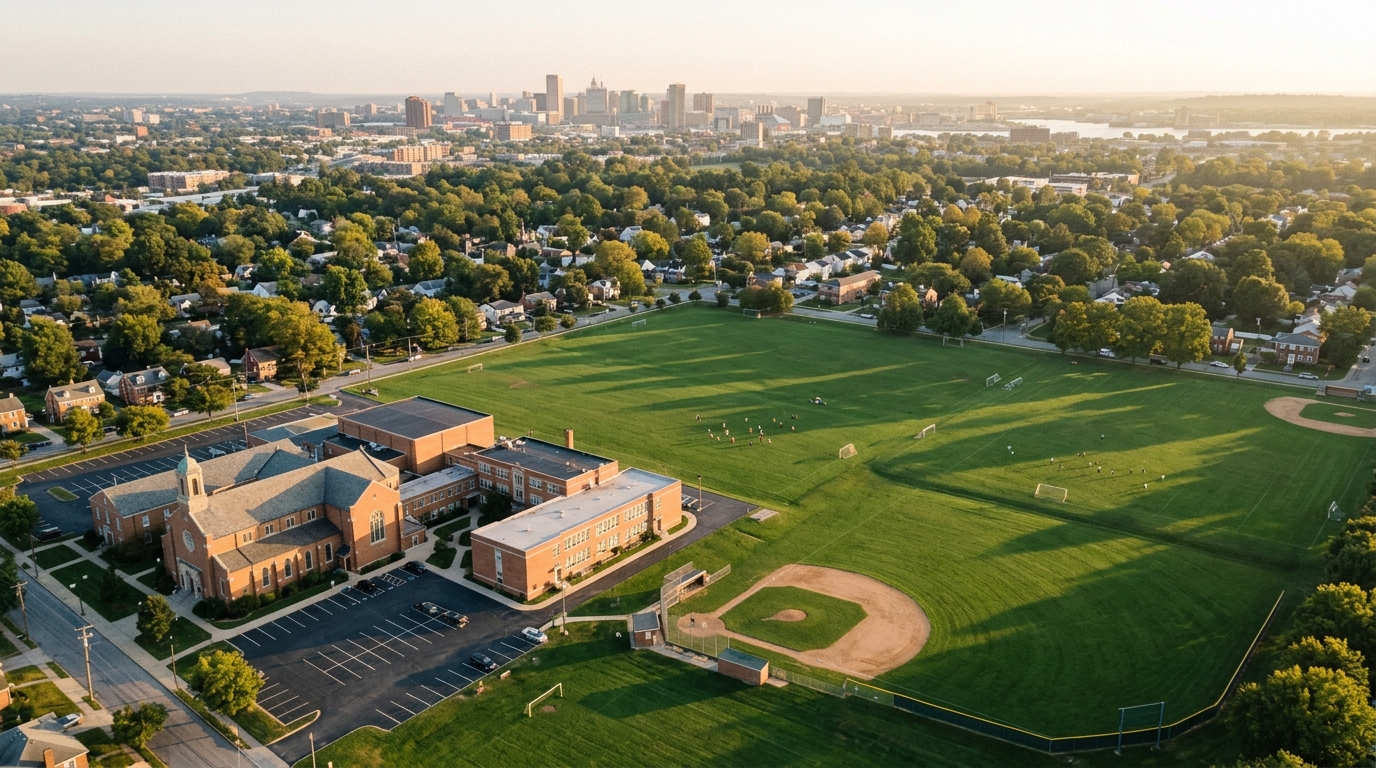
Baltimore County Nears Deal for St. Pius X Property, Eyeing New Ball Fields
Baltimore County is reportedly close to purchasing the St. Pius X property to develop new ball fields, a crucial step to meet the growing demand for youth sports and recreational space in the region.
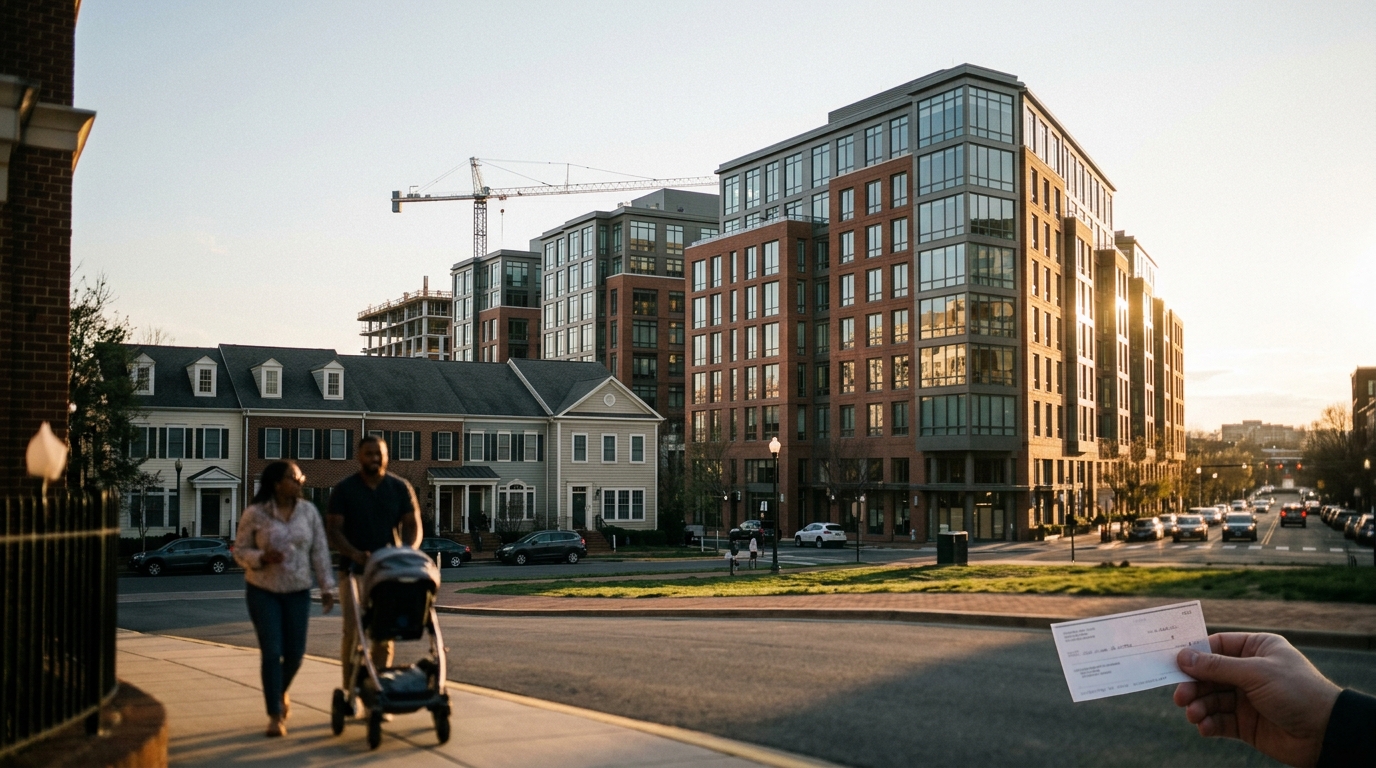
Alexandria Secures Major Bloomberg Philanthropies Grant to Tackle Housing Shortage
Alexandria has been awarded a significant grant from Bloomberg Philanthropies, ranging from $450,000 to $750,000, to combat its persistent housing shortage. The city is one of only 15 nationwide selected for the funding, which aims to boost local efforts to increase housing stock and improve affordability for residents.