Community
Montgomery County
Homelessness Trends Diverge Across DMV: Increases in DC and Virginia, Drop in Maryland
Share this article
Advertisement
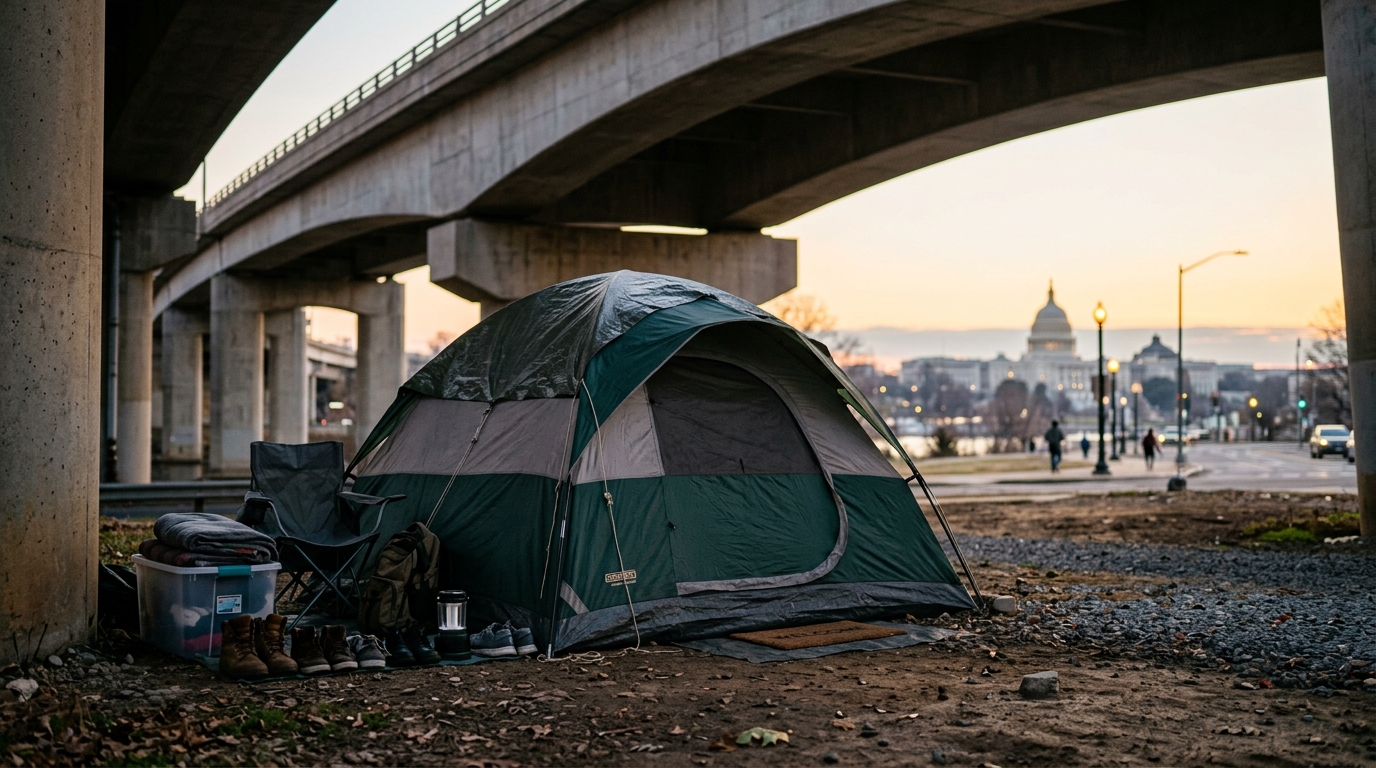
The sight of a tent encampment under a bridge or someone seeking shelter in a Metro station vestibule is a stark reminder of a persistent challenge facing our region. Now, new data reveals a concerning divergence in how homelessness is impacting the Washington, D.C., metropolitan area, with numbers on the rise in the District and Virginia, even as Maryland experiences a downturn. This latest snapshot, highlighted by the Virginia Mercury, points to a complex and uneven landscape for those experiencing housing insecurity across the DMV. While the exact figures aren't detailed in the brief, the trend indicates that efforts to combat homelessness are seeing varied results depending on which side of the Potomac you're on, according to reporting from Street Sense Media.
As the DMV continues to navigate economic shifts and housing challenges, these diverging trends serve as a critical indicator. Community leaders, policymakers, and residents will need to keep a close eye on upcoming Point-in-Time count reports and local government initiatives to understand if these patterns persist and what further actions are needed to ensure everyone has a safe place to call home.
A Region Divided: Rising Numbers in DC and Virginia
For residents in Washington, D.C., and many parts of Northern Virginia, the news isn't encouraging. The data indicates that the number of people experiencing homelessness has increased. This uptick comes amidst a backdrop of escalating housing costs, a tight rental market, and ongoing economic pressures that disproportionately affect low-income individuals and families. The District, in particular, has long grappled with significant homeless populations, and any increase puts further strain on already stretched social services and shelters. In Virginia, especially its northern counties that are intrinsically linked to the D.C. economy, rising homelessness mirrors the challenges seen just across the river. The high cost of living in areas like Arlington, Fairfax, and Alexandria makes it incredibly difficult for individuals and families to secure and maintain stable housing, particularly when facing job loss, health crises, or insufficient wages. These trends underscore the critical need for robust housing support systems and preventative measures.Homelessness has risen in Washington, D.C., and Virginia, while dropping in Maryland, reflecting varied impacts of housing insecurity across the DMV.
Maryland Sees a Drop, Offering a Glimmer of Hope
In contrast, Maryland appears to be making headway. The same data indicates a decrease in its homeless population. While the specific strategies contributing to this decline aren't detailed in the brief, it suggests that targeted interventions, increased funding for housing programs, or more effective coordination among service providers may be yielding positive results in counties like Montgomery and Frederick. This offers a potential model for other jurisdictions in the region to examine and learn from. Understanding the specific factors behind Maryland's success could be crucial for policymakers and advocacy groups in D.C. and Virginia. It might involve a combination of rapid re-housing initiatives, increased shelter capacity, mental health support, or job training programs designed to help individuals regain stability.The Broader Picture: Factors Driving Homelessness
Homelessness is rarely a single-issue problem; it's a complex web of economic, social, and personal challenges. Across the DMV, key contributors include the exorbitant cost of rent and homeownership, which push many to the brink, along with stagnant wages that haven't kept pace with inflation. Beyond economic factors, issues such as mental health crises, substance use disorders, domestic violence, and a lack of affordable healthcare play significant roles. The U.S. Department of Housing and Urban Development (HUD) regularly collects and analyzes data from communities nationwide, including the DMV, through its annual Point-in-Time counts, which provide critical insights into these challenges. The pandemic also reshaped the landscape, with initial moratoriums on evictions providing temporary relief, but the subsequent lifting of these protections left many in precarious situations. While some federal relief programs helped, their temporary nature means that without sustained support, the underlying issues persist. Local governments and non-profits continue to work tirelessly to address these multifaceted needs.What This Means for DMV Residents
For those living in the DMV, these shifting trends highlight the ongoing need for community engagement and support for local organizations working on the front lines. While Maryland's progress is encouraging, the increases in D.C. and Virginia mean that more neighbors are struggling to find and keep stable housing. It impacts public health, safety, and the overall well-being of our communities. Residents should be aware of the resources available both for those experiencing homelessness and for those looking to help. Advocacy for affordable housing initiatives and supportive services remains paramount.📍 Local Resources
Washington, D.C. Department of Human Services - Homeless Services
Provides emergency shelter, housing assistance, and support services for individuals and families experiencing homelessness in D.C.
📞 Phone: (202) 671-4200 (Shelter Hotline)
🌐 Website: dc.gov/homeless-services
📍 Location: 64 New York Ave NE, Washington, DC 20002
Homeless Services Center (Fairfax County, VA)
Offers shelter, street outreach, and case management for adults experiencing homelessness in Fairfax County and surrounding Northern Virginia areas.
📞 Phone: (703) 653-6000
🌐 Website: fairfaxcounty.gov/homeless
📍 Location: 1731 Elden St, Herndon, VA 20170
Montgomery County, MD Coalition for the Homeless
Dedicated to preventing and ending homelessness in Montgomery County through shelter, housing programs, and advocacy.
Advertisement