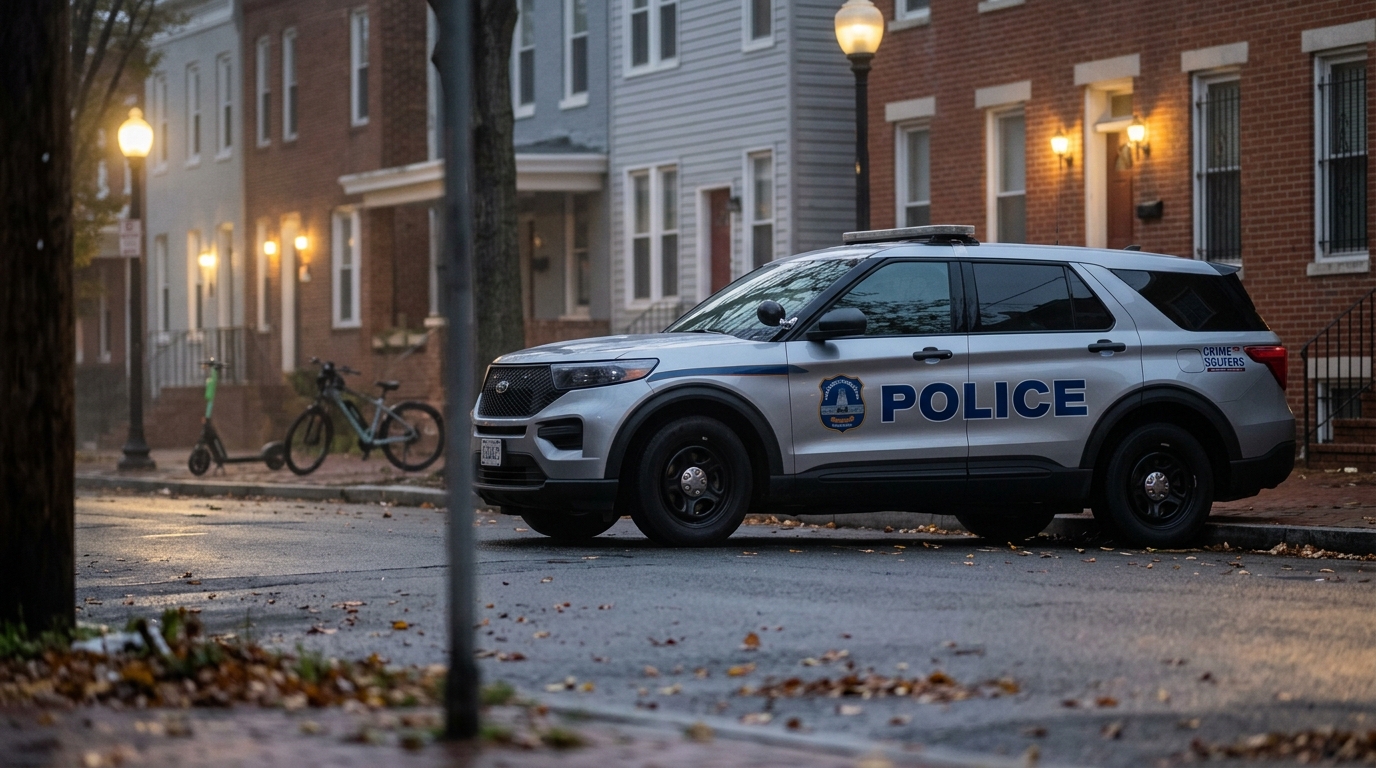
Bond Hearing Set for Teens Charged in Giant Grocery Store Shooting Across DMV
Share this article
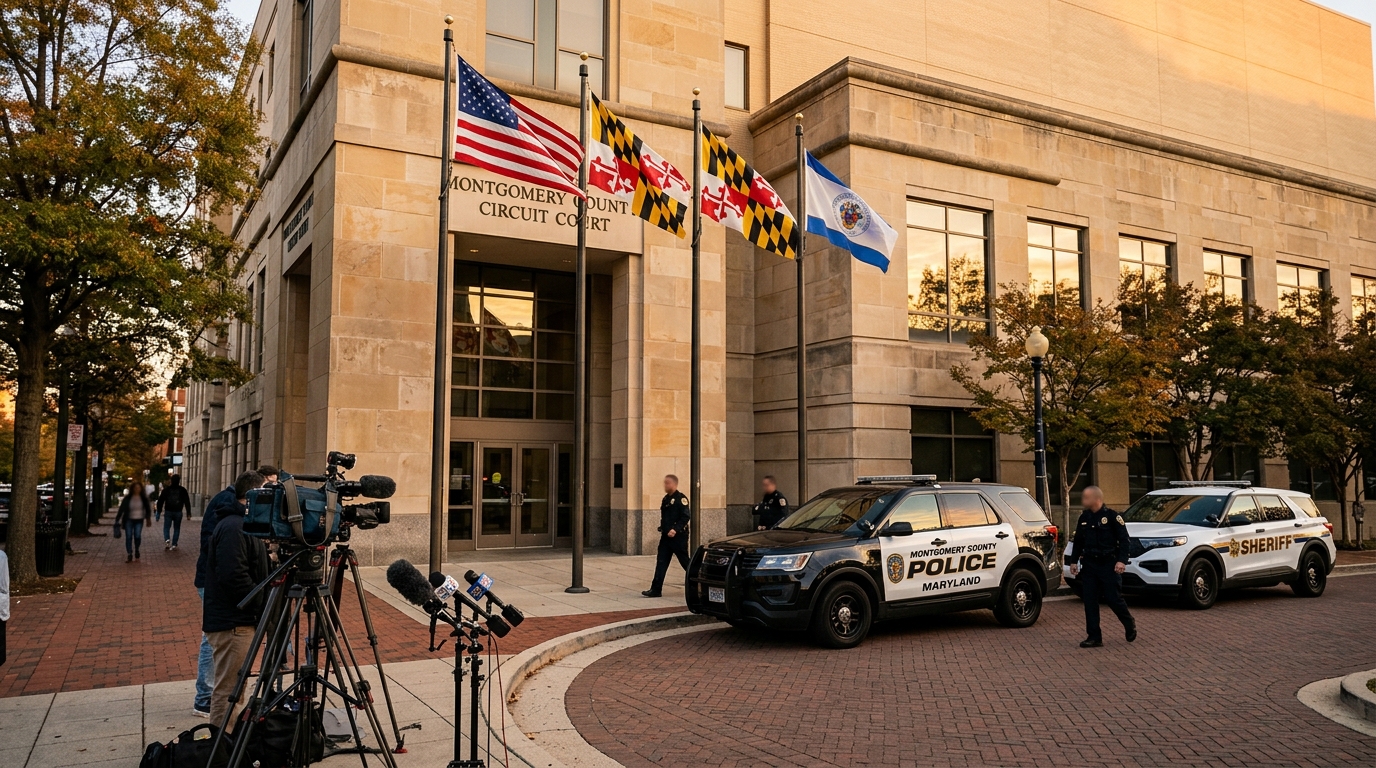
Understanding a Bond Hearing
A bond hearing is a critical juncture in the criminal justice system. It's where a judge decides whether a defendant, in this case, the charged teens, should be held in custody pending trial or released on bail. The judge weighs several factors, including the severity of the alleged crime, the defendant's flight risk, and whether they pose a danger to the community if released. For cases involving minors, the court often also considers factors unique to juvenile justice, such as family support and educational status. The purpose isn't to determine guilt or innocence, but rather to ensure the defendant appears for future court dates and doesn't endanger others. Given the charges stem from a shooting incident, the court will likely take a very careful approach in evaluating these risks.Juvenile Justice and Community Impact
When teens are involved in serious criminal allegations, the juvenile justice system aims to balance accountability with the potential for rehabilitation. This often means that while the charges are grave, the court may also consider age-appropriate interventions and support services. However, the community impact of an incident like a grocery store shooting is undeniable. Grocery stores are community hubs, places where families shop, neighbors meet, and daily life unfolds. An act of violence in such a setting can deeply affect residents' sense of security and trust in their public spaces. It prompts questions about safety measures, the prevalence of gun violence, and how the justice system protects the public while addressing the root causes of youth involvement in crime. The Office of Juvenile Justice and Delinquency Prevention provides resources and data on these complex issues.What's Next in the Legal Process?
Following the bond hearing, if the teens are held, they will remain in a juvenile detention facility. If bond is granted, they could be released under specific conditions, which might include electronic monitoring, curfews, or restrictions on who they can contact. The case will then proceed through various stages, potentially including grand jury indictment, pre-trial motions, and eventually a trial or plea agreement. The specifics of these steps can vary depending on the jurisdiction within the DMV where the incident occurred. Residents can typically find information on court processes through their respective state judiciary websites, such as the Maryland Judiciary or the Virginia Judicial System. The outcome of this bond hearing will be closely watched by the community, as it sets the immediate course for the accused teens and offers a glimpse into how the justice system is responding to a serious incident that has shaken a local grocery store.📍 Local Resources
Provides information and services for juvenile cases in Washington, D.C., including court schedules and legal aid resources.
Offers services and programs for youth involved in the juvenile justice system across Maryland, focusing on rehabilitation and public safety.
Administers programs and services for juvenile offenders in Virginia, including detention, probation, and community-based alternatives.
Explore more on this topic
Related Stories
Indictment in 1993 Maryland Cold Case Brings Hope After Three Decades
After more than three decades, an indictment has finally been handed down in the 1993 murder of a 10-year-old boy in Maryland, offering a crucial step toward justice in a long-standing cold case.
Deadly Shooting Reported at Alleged Squatter's Home in Washington, D.C.
A deadly shooting has been reported at an alleged squatter's home in Washington, D.C., sparking concerns about public safety and property disputes in the community. Authorities are investigating the incident, with details remaining scarce as residents grapple with the implications of such a tragic event.