The tragic reality of impaired driving hit home again in the DMV this week, as authorities confirmed a suspect admitted to drinking and driving in a fatal crash. While specific details about the incident remain limited, the admission underscores the persistent and devastating threat that impaired drivers pose to our local roads and communities. This grim admission, reported in an
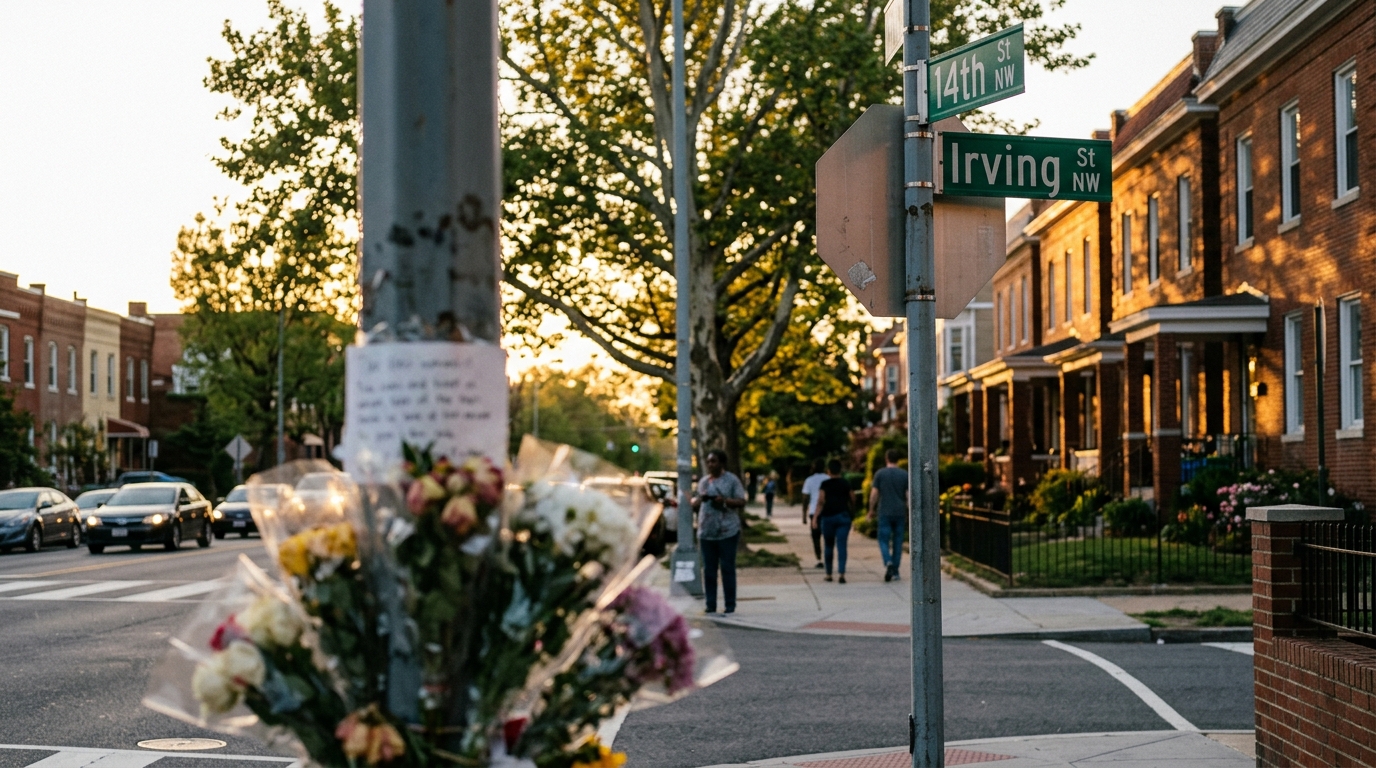
NBC Washington News4 Rundown, immediately brings to mind the profound impact such incidents have. A fatal crash isn't just an accident; it's a life irrevocably lost, a family shattered, and a community left grappling with senseless grief. Each time such a tragedy occurs, it serves as a stark reminder of the urgent need for vigilance and responsibility behind the wheel. ### The Immediate Aftermath: A Community's Concern When a fatal crash occurs, especially one involving impaired driving, the ripple effects spread quickly. Residents across Washington, D.C., Maryland, and Northern Virginia are left wondering about the circumstances, the victims, and what could have been done to prevent such a devastating outcome. This particular incident, with the suspect's reported admission, intensifies those concerns, highlighting a preventable cause of death on our roads. Law enforcement agencies throughout the DMV are constantly battling impaired driving, employing various tactics from sobriety checkpoints to increased patrols. Yet, the problem persists, demanding continuous public awareness and strict enforcement. The admission by a suspect in a fatal crash isn't just a legal development; it's a heartbreaking window into the choices that lead to irreversible consequences. ### Understanding Impaired Driving Laws in the DMV The legal landscape surrounding impaired driving in the DMV is stringent, reflecting the severe risks it presents. In Washington, D.C., Maryland, and Virginia, driving under the influence (DUI) or driving while intoxicated (DWI) carries serious penalties, even for first-time offenders. These can include hefty fines, license suspension, mandatory ignition interlock devices, and even jail time. When a fatal crash occurs due to impaired driving, the charges escalate dramatically, often leading to vehicular manslaughter or homicide charges, which can result in decades in prison. For instance, in Maryland, a conviction for homicide by vehicle while under the influence can carry a maximum penalty of 10 years in prison and a $10,000 fine for a single death. Virginia's law on involuntary manslaughter while driving under the influence is similarly severe, with potential prison sentences of up to 20 years. Washington, D.C., also imposes significant penalties, treating such offenses with the gravity they deserve. These laws are designed not only to punish offenders but also to deter others from making the same dangerous choices. You can find detailed information on local laws through the
DC Department of Motor Vehicles, the
Maryland Motor Vehicle Administration, and the
Virginia Department of Motor Vehicles websites.
Impaired driving crashes claim thousands of lives annually across the U.S., with many preventable tragedies occurring right here in our local communities.
### The Broader Impact: More Than Just Statistics Beyond the immediate legal ramifications for the individual involved, a fatal impaired driving crash leaves a lasting scar on families and communities. Victims' families face unimaginable grief, often compounded by the knowledge that their loved one's death was entirely preventable. Organizations like Mothers Against Drunk Driving (MADD) work tirelessly to support these families and advocate for stronger laws and better enforcement, striving to turn tragedy into action. The incident also puts a spotlight on public health and safety. Local law enforcement agencies, like the Metropolitan Police Department in D.C., the Montgomery County Police Department, and the Fairfax County Police Department, frequently conduct impaired driving enforcement campaigns, especially around holidays and weekends. Their efforts are crucial in deterring potential offenders and keeping our roads safe. Yet, the responsibility ultimately falls on every individual to make responsible choices. ### Prevention: A Collective Responsibility Preventing impaired driving is a community-wide effort. It starts with individual decisions: planning for a sober ride, calling a taxi or rideshare service, or designating a non-drinking driver. For those hosting gatherings, it means ensuring guests have safe transportation options and never serving alcohol to minors. Educational campaigns play a vital role, reminding drivers of the dangers and consequences. Local initiatives often partner with schools and community groups to spread awareness among younger generations, fostering a culture of responsible decision-making from an early age. The goal is simple: no more preventable deaths on our roads. As the DMV continues to grow and its roadways become busier, the challenge of ensuring traffic safety intensifies. This recent admission in a fatal crash serves as a somber reminder that while laws and enforcement are critical, personal accountability remains the strongest defense against impaired driving tragedies. Moving forward, DMV residents should remain aware of the ongoing efforts by local law enforcement to combat impaired driving. Supporting these initiatives and making responsible choices ourselves can collectively contribute to safer streets. Keep an eye on local news outlets for updates on this case and for announcements regarding new traffic safety campaigns in your neighborhood.
📍 Local Resources
Mothers Against Drunk Driving (MADD) - Maryland/D.C./Virginia
Provides victim support services, advocates for stricter laws, and promotes prevention education for impaired driving.
Washington Regional Alcohol Program (WRAP)
Offers free safe ride programs, public education campaigns, and community outreach to prevent impaired driving in the DMV.
📍 Location: 1730 M St NW, Suite 703, Washington, DC 20036
🕐 Hours: Mon-Fri 9am-5pm
DC Victim Hotline
Confidential and free support for victims of all crimes in Washington, D.C., including those impacted by fatal crashes.