Elevated Brush Fire Risk Across DMV This Week Amidst High Heat and Dry Conditions
Share this article
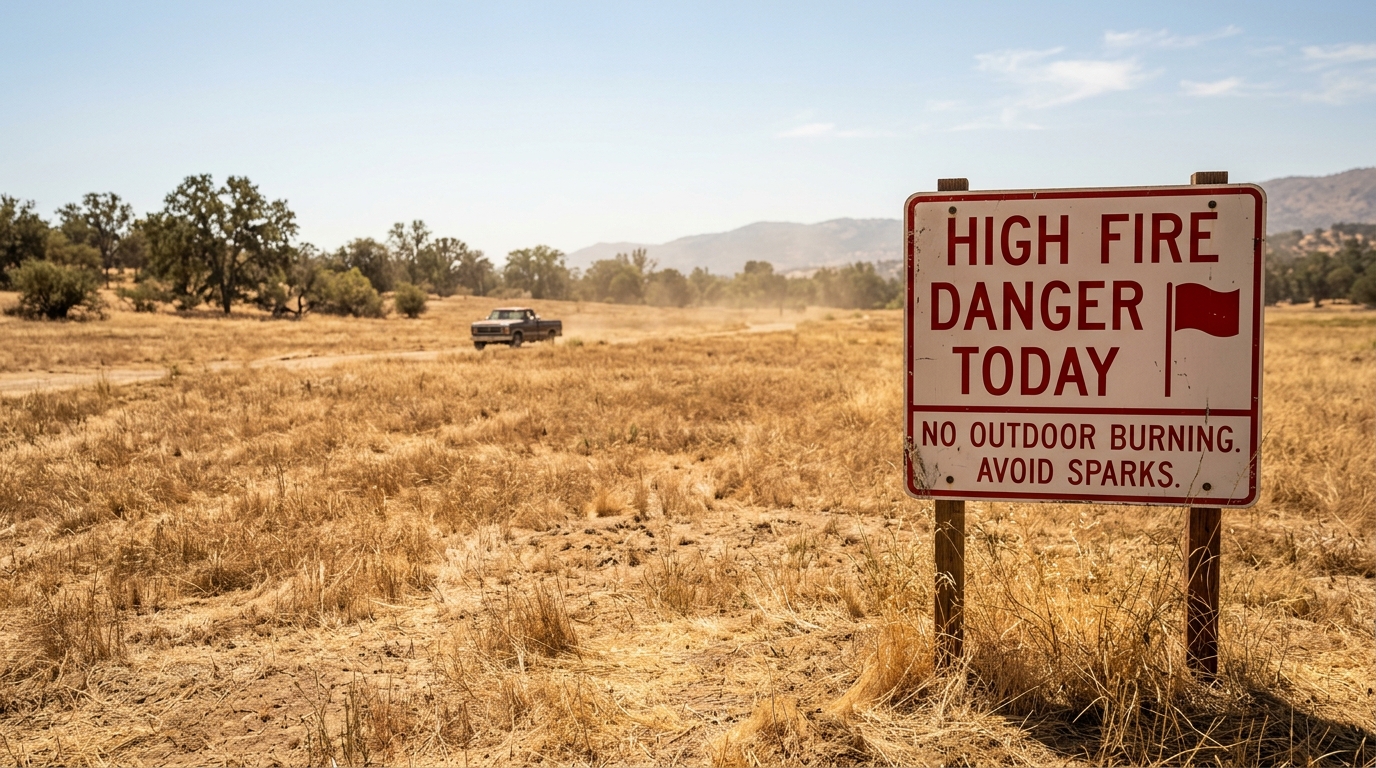
The Washington D.C. metropolitan area is facing an elevated brush fire risk this week, as temperatures climb near 90 degrees Fahrenheit coupled with comfortably low humidity. While the lack of oppressive stickiness might feel pleasant, these conditions create a prime environment for brush and wildland fires to ignite and spread rapidly across the region.
Forecasters are predicting temperatures around the 90-degree mark for areas like Baltimore over the coming days [1]. Crucially, the humidity levels are expected to remain in a "comfortable range" [1]. This combination of heat and low atmospheric moisture means that vegetation is drying out, turning into potential fuel for fires. Residents across Maryland, Northern Virginia, and Washington D.C. should exercise extreme caution with any outdoor activities that could spark a blaze.
Understanding the Elevated Risk
Brush fires, also known as wildland fires or wildfires, thrive on dry conditions. When the air lacks significant moisture, grasses, leaves, and other organic materials become highly flammable. High temperatures further exacerbate this by accelerating the drying process and making ignition easier. Even a small spark, such as from a discarded cigarette, an unattended campfire, or equipment use, can quickly escalate into a dangerous fire.
The term "comfortable humidity" might seem counterintuitive when discussing fire risk. However, it often indicates low absolute humidity, meaning there's less water vapor in the air to moisturize vegetation. This dry air rapidly pulls moisture from plants and ground cover, making them more susceptible to catching fire. Strong winds, if present, can then fan flames and carry embers long distances, enabling fires to jump firebreaks and spread across large areas quickly.
Prevention is Paramount for DMV Residents
Local fire departments and state forestry services across the DMV regularly issue warnings and guidance during periods of elevated fire risk. Preventing brush fires is largely dependent on public awareness and responsible behavior. The majority of brush fires are caused by human activity, making them largely preventable.
Key preventative measures for residents include:
- Outdoor Burning: Avoid burning leaves, brush, or debris outdoors. If a burn ban is in effect for your county or municipality, strictly adhere to it. Always check with your local fire department or Maryland Department of Natural Resources for current regulations.
- Discarded Smoking Materials: Never throw lit cigarettes or cigars onto the ground, especially near dry grass or wooded areas. Use designated receptacles and ensure they are fully extinguished.
- Equipment Use: Be cautious when using power equipment like lawnmowers, trimmers, or chain saws. A stray spark from a blade or engine can ignite dry grass. Clear the area of flammable materials before starting work.
- Campfires and Grills: If allowed, ensure campfires are completely extinguished before leaving them. Use charcoal grills responsibly and dispose of ashes properly in a metal container, away from flammable materials. Always have a water source nearby.
- Vehicle Maintenance: Hot exhaust systems can ignite dry grass. Avoid parking vehicles over tall, dry vegetation. Ensure your vehicle is properly maintained to prevent sparks.
- Defensible Space: Clear dead leaves, branches, and other flammable debris from around your home and property, especially within a 30-foot radius. This "defensible space" can help protect structures if a fire approaches. More guidance can be found from the Virginia Department of Forestry.
Local Response and Resources
Fire and rescue services across the DMV are always on high alert during periods of elevated fire risk. Departments like the DC Fire and EMS Department, various county fire departments in Maryland (e.g., Montgomery County, Prince George's County), and fire and rescue services in Northern Virginia (e.g., Fairfax County, Arlington County) work collaboratively to monitor conditions and respond to incidents. Residents are urged to report any signs of smoke or fire immediately by calling 911.
While the immediate forecast points to comfortable humidity, the elevated temperatures combined with the inherent dryness of late spring vegetation underscore the need for vigilance. Staying informed about local conditions and following fire safety guidelines can help protect lives, homes, and natural areas throughout the DMV.
📍 Local Resources
Provides emergency fire suppression, rescue, and medical services for the District of Columbia. Offers fire safety tips and public education.
Manages state forests, provides wildland fire prevention and suppression, and offers resources on forest health and safety for Maryland residents.
Protects Virginia's forest resources from fire, insects, and disease. Provides wildland fire suppression, prevention education, and forest management assistance.