Community
DCA's 9/11 Aftermath: The Day Doors Locked and Airspace Changed Forever
Share this article
Advertisement
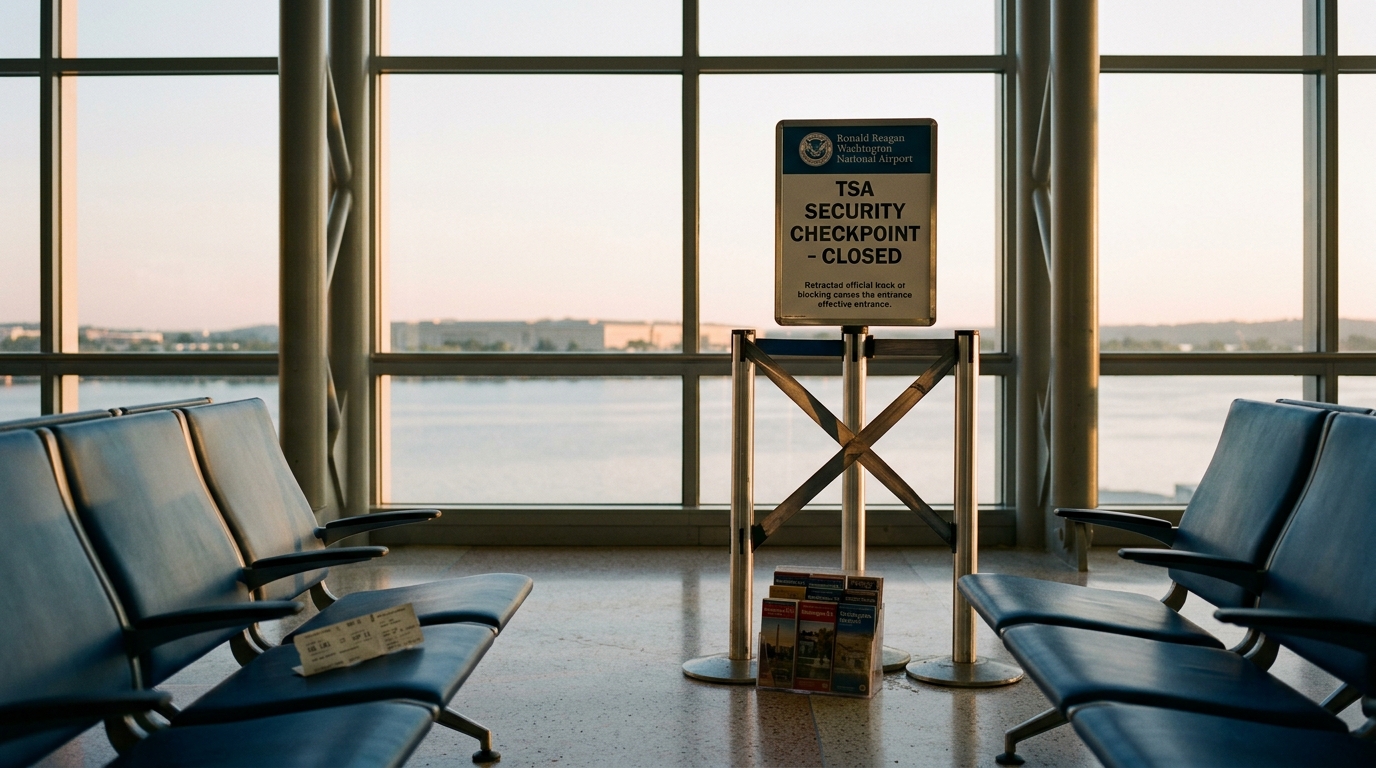
For anyone who lived in the DMV on September 11, 2001, the memories are seared into their minds: the smoke rising from the Pentagon, the frantic calls, and the sudden, eerie silence of the skies over Washington. At Ronald Reagan Washington National Airport (DCA), located just across the Potomac in Arlington, Virginia, that day brought an immediate, unprecedented lockdown, as detailed in a recent retrospective from NBC Washington. The airport, a vital artery for federal workers and regional travelers, became a symbol of the nation's vulnerability and the drastic changes that were about to reshape air travel. The phrase "locking the doors and losing the aircraft" captures the immediate, desperate measures taken as the reality of the attacks unfolded. With the Pentagon burning just a few miles away and the threat of hijacked planes looming, DCA's proximity to the nation's capital made it a focal point of concern. Flights were grounded nationwide, and DCA, in particular, faced an indefinite closure, forever altering its operational landscape.
The Day the Skies Went Silent Over Arlington
On that devastating Tuesday morning, as news broke of the attacks on the World Trade Center and the Pentagon, the Federal Aviation Administration (FAA) issued an unprecedented order: ground all civilian aircraft in U.S. airspace. For DCA, this meant an immediate cessation of all flights, stranding thousands of passengers and employees. The airport, usually a bustling hub of activity, went into emergency mode. Doors were locked, and the focus shifted from facilitating travel to ensuring security against an unseen enemy. The fear wasn't just about what had already happened, but what *could* happen. With the White House, the U.S. Capitol, and the Pentagon all within a few miles, DCA's location made it an obvious target and a strategic concern. The decision to ground flights and secure the airport was swift and absolute, reflecting the grave danger perceived by national security officials.Ronald Reagan Washington National Airport remained closed for 24 days after 9/11, the longest closure of any U.S. airport following the attacks.
Reshaping Airport Security and Airspace Rules
The aftermath of 9/11 fundamentally transformed airport security across the nation, and DCA was at the forefront of these changes. The federal government swiftly moved to create the Transportation Security Administration (TSA) in November 2001, federalizing airport screening and implementing a host of new protocols aimed at preventing future attacks. This meant a complete overhaul of how passengers and baggage were screened, introducing measures like shoe removal, liquid restrictions, and full-body scanners that are now commonplace. For more details on the creation and role of the TSA, visit the official TSA website. DCA's reopening in October 2001, 24 days after the attacks, came with some of the strictest security rules in the country. Given its sensitive location, specific "Special Flight Rules Area" (SFRA) and "Flight Restricted Zone" (FRZ) were established around Washington D.C., heavily impacting DCA operations. These rules included: * Mandatory armed federal air marshals on all flights to and from DCA. * A "sterile cockpit" rule, preventing flight deck doors from being opened during flight. * Increased security checkpoints and passenger screening. * A "no-fly zone" that initially restricted certain types of aircraft and flight paths. These measures, while ensuring safety, also added layers of complexity for travelers and airlines operating out of DCA, making it a uniquely secure airport within the national system. The detailed regulations for flights in the Washington D.C. area can be found on the FAA's website.A Lasting Legacy for DMV Residents
For DMV residents, particularly those in Arlington and Washington D.C., the changes at DCA were deeply personal. Thousands of federal employees relied on the airport for daily commutes and official travel. The prolonged closure meant significant disruption, forcing many to drive or find alternative, less convenient airports like Dulles International (IAD) or Baltimore/Washington International Thurgood Marshall Airport (BWI). Even after reopening, the heightened security and new flight rules became a permanent fixture of life for anyone flying in or out of DCA. The visible presence of law enforcement, the rigorous screening processes, and the distinct flight paths are constant reminders of the events of 9/11 and the ongoing efforts to protect the capital. The airport's unique status reflects its critical role in serving the nation's capital and the enduring lessons learned from that terrible day. Understanding the current operations and services at the airport is key for local travelers, and information is available on the Ronald Reagan Washington National Airport official site.Looking Ahead: Vigilance Remains
More than two decades later, the shadow of 9/11 still influences operations at DCA. While some restrictions have been adjusted over time, the core commitment to security remains paramount. Travelers today navigate a system born out of necessity, a system that balances convenience with unwavering vigilance. For DMV residents, using DCA means accepting these realities as a part of safeguarding our region and our nation. What happened at DCA on 9/11, as recounted by NBC Washington, serves as a powerful reminder of how quickly life can change and the lasting impact of a single day on ourAdvertisement
Explore more on this topic
Related Stories
Community
Prince William County Unveils State-of-the-Art Occoquan Elementary, Replacing Storied Century-Old Building
Community
Prince William County has officially opened its new Occoquan Elementary School, replacing a building that served the community for nearly a century. This modern facility marks a significant investment in local education, offering cutting-edge learning environments for students.
about 4 hours ago4 min read
Community
Baltimore Rock Opera Society Leader Says Burning Man Cornrows Led to Firing
Community
about 5 hours ago4 min read
Community
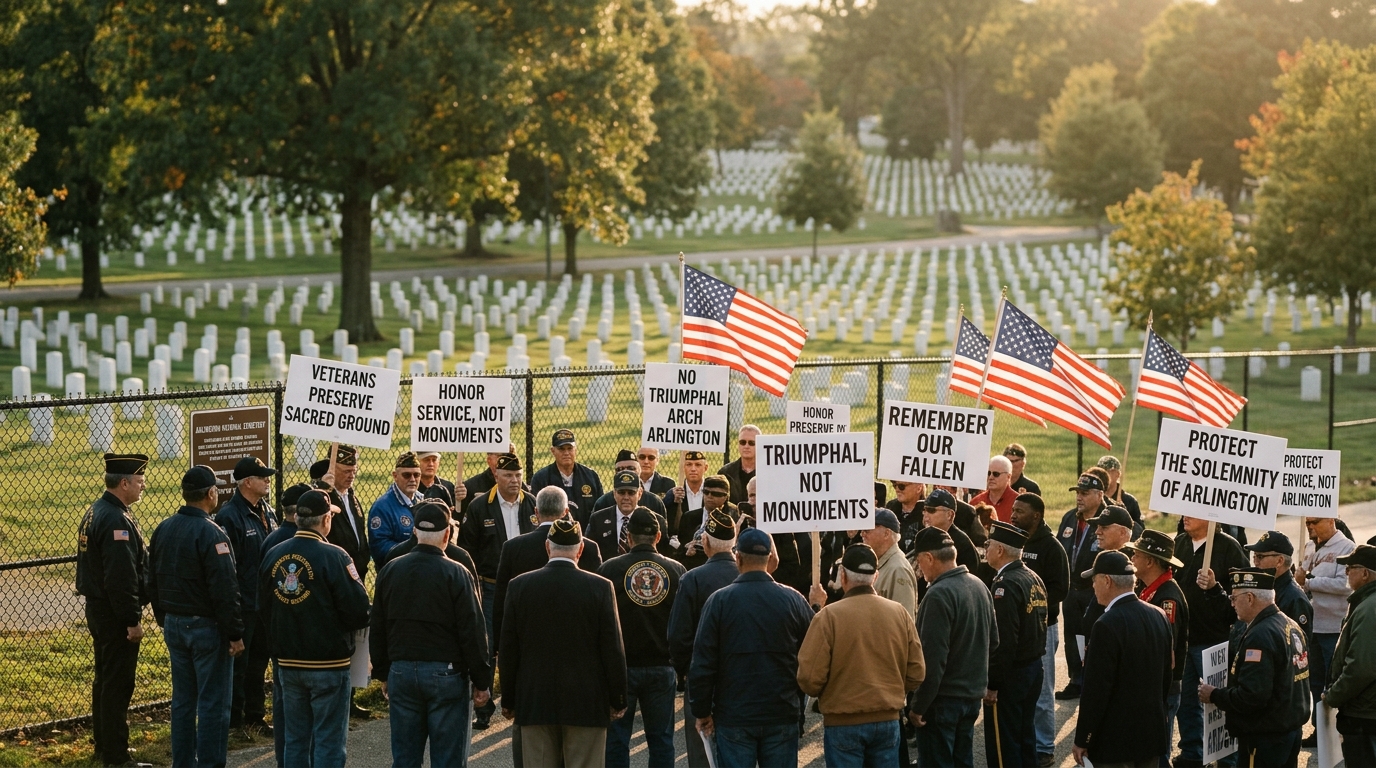
Veterans Gather Near Arlington National Cemetery to Protest Proposed Triumphal Arch
Arlington County·Community
Veterans gathered near Arlington National Cemetery to protest a proposed triumphal arch, raising concerns about the sacred space and its preservation. The demonstration highlights a significant community debate over how best to honor military service while maintaining the solemnity of the nation's most revered military burial ground.
about 7 hours ago6 min read