DC Youth Detention Center Leverages Soccer for Life Skills Development
Share this article

Beyond the Game: Building Character and Connection
In a setting often characterized by strict routines and confinement, a soccer program offers a vital outlet for physical activity and emotional expression. It provides a structured environment where young people can channel energy productively, learn to manage frustration, and experience the immediate consequences of their actions – both good and bad – in a low-stakes environment. Miss a pass, and the team might concede a goal. Work together, and you might celebrate a victory. These are tangible lessons in accountability and collective effort. The program at DC's youth detention center focuses on more than just physical prowess. Coaches and mentors utilize the game's natural ebb and flow to facilitate discussions around conflict resolution, leadership, and emotional regulation. For many participants, it's the first time they've been part of a team where collaboration is celebrated, and individual mistakes are addressed with constructive feedback rather than punitive measures. This shift in dynamic is critical for rebuilding trust and self-esteem.A Holistic Approach to Youth Rehabilitation
The District of Columbia's Department of Youth Rehabilitation Services (DYRS) oversees facilities like the Youth Services Center, which houses young people awaiting court proceedings or serving short sentences. DYRS emphasizes a holistic approach to rehabilitation, integrating education, therapy, and skill-building programs to help youth turn their lives around. Programs like the soccer initiative fit squarely into this philosophy, providing a practical, engaging complement to academic and therapeutic interventions. More information on DYRS's mission and programs can be found on the official DC.gov website. Sports-based programs for at-risk youth have long been recognized for their potential to foster positive development. Research suggests that participation can lead to improved academic performance, reduced aggression, and enhanced social competence. For youth within the justice system, these benefits are amplified, offering a pathway to reintegration that extends beyond simply serving time. It’s about cultivating habits and perspectives that support a successful return to family, school, and work in neighborhoods across the city.Impact on DC Communities
For residents across Ward 7, Ward 8, and other D.C. communities, the success of these rehabilitation efforts has direct implications. When young people emerge from the justice system with enhanced life skills and a more positive outlook, they are better equipped to contribute positively to their neighborhoods, reducing recidivism and fostering safer, more vibrant communities. This program offers a glimmer of hope, demonstrating a commitment to investing in the potential of every young person, regardless of their past. Organizations like the U.S. Soccer Foundation often partner with local entities to bring soccer programs to underserved communities, including those in the juvenile justice system. Their work underscores the broader understanding that sports can be a powerful catalyst for social change. These partnerships help ensure that programs within detention centers are well-resourced and professionally run, maximizing their impact on the young participants.Looking Ahead: Sustaining Positive Change
The challenge, of course, lies in sustaining these positive changes once youth leave the detention center. That’s why connections to community-based programs and mentorship opportunities are so vital. The goal isn't just to teach life skills within the walls, but to build a foundation that supports continued growth and positive choices in the outside world. Efforts to link participants with local soccer clubs, youth development organizations, and educational support services upon release are crucial for long-term success. This isn't just about a game; it's about providing a framework for personal growth and building resilience. As DC continues its work in youth rehabilitation, programs like this soccer initiative serve as powerful reminders that investing in positive engagement and skill development can truly change lives, offering a brighter future for both the youth involved and the wider District community. What happens on the pitch today could very well shape the paths these young people take tomorrow.📍 Local Resources for Youth Support in DC
Provides rehabilitation and aftercare services for committed youth in Washington, DC.
Offers services to protect children and strengthen families, including foster care, adoption, and family support programs.
Provides multi-cultural programs and opportunities for youth, including academic support, job training, and social services.
Explore more on this topic
Related Stories
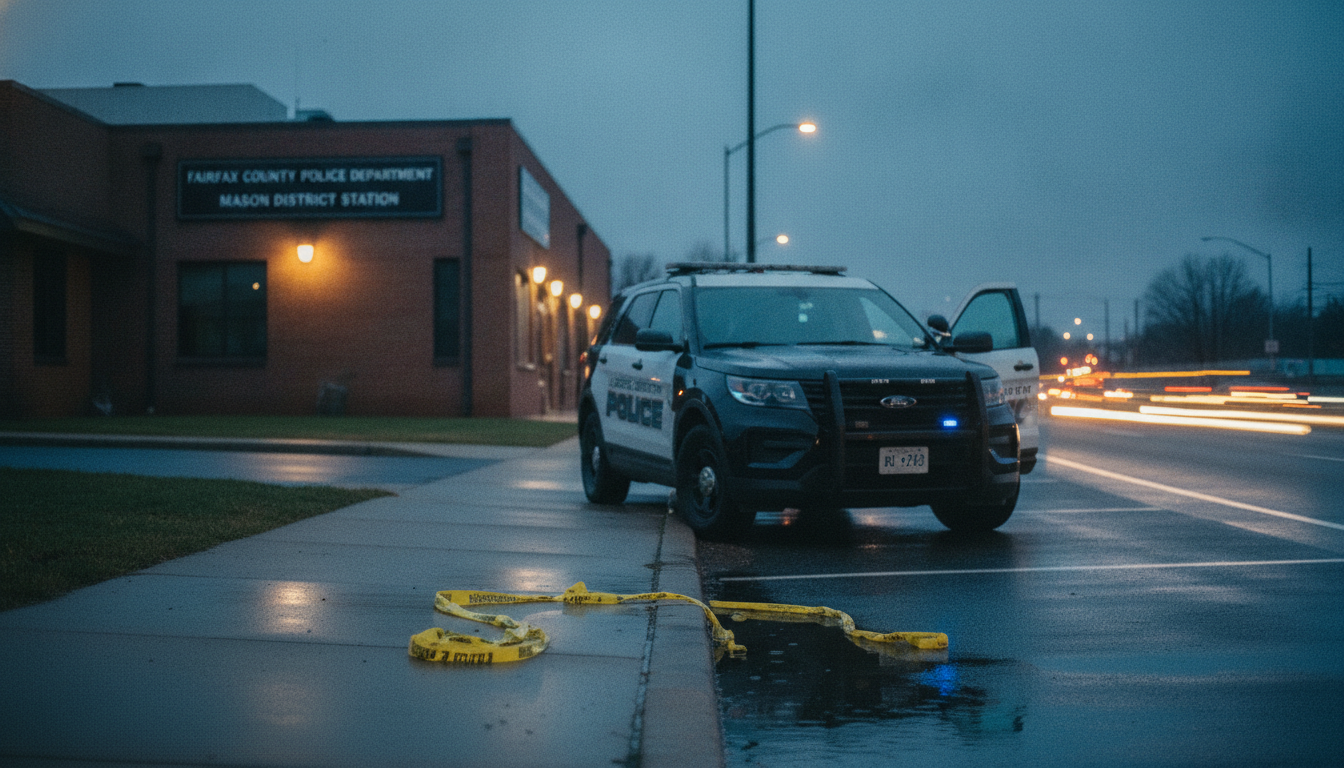
Fairfax County Police Launch Search After Reported Robbery, Residents Urged to Stay Alert
Fairfax County police have launched a search operation following a reported robbery, making it a top concern for local residents. The active investigation highlights the importance of community vigilance and staying informed through official channels.
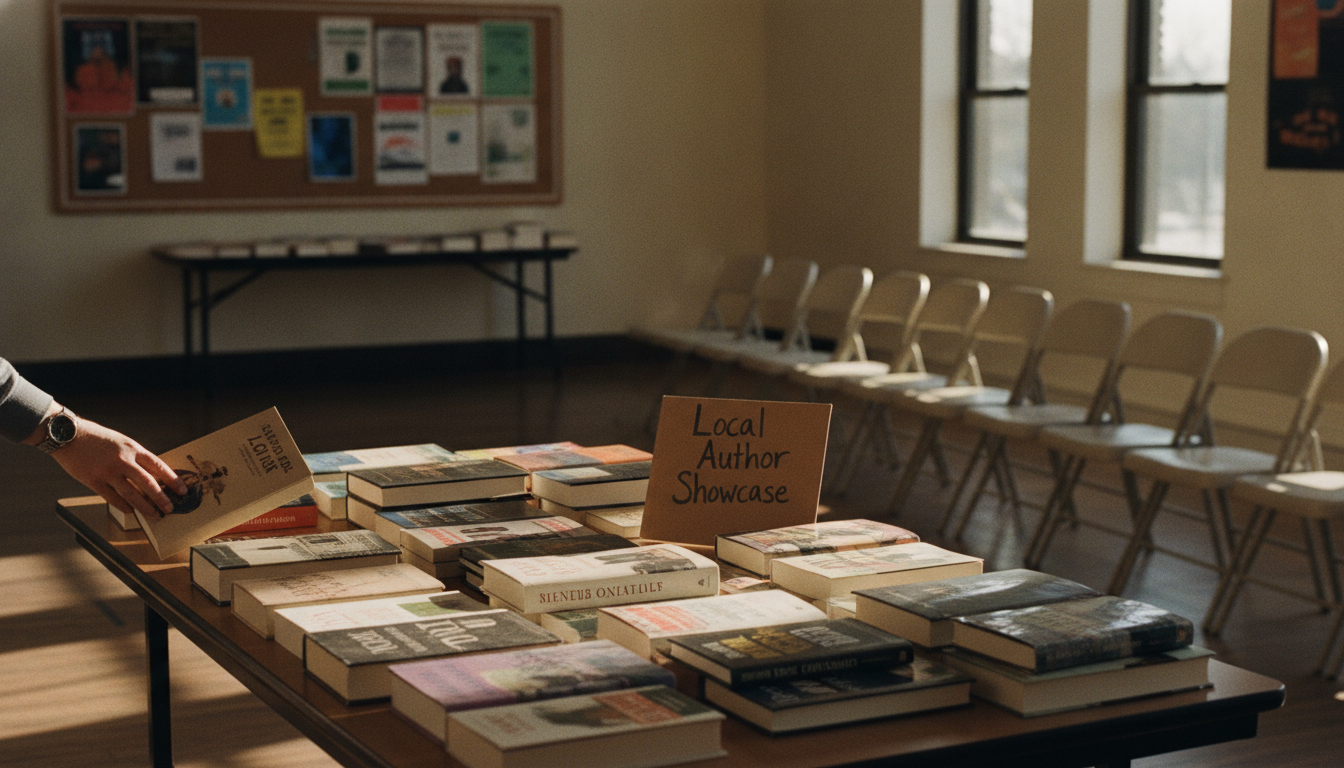
Montgomery County Public Libraries to Host Local Author Showcase, Celebrating Regional Voices
Montgomery County Public Libraries is set to host a Local Author Showcase, providing a platform for regional writers to connect with readers and celebrate the DMV's diverse literary talent. This event highlights the library's commitment to fostering community and supporting local arts.

Arlington's Sweetest Showdown: Bakery Poll Ignites Local Buzz
A recent poll crowning Arlington's best bakery became a top-read story on ARLnow, drawing over 1,900 views and showcasing the community's deep connection to local businesses.