DC Youth Curfew Faces Expiration as Bowser and Pinto Criticize Council Inaction
Share this article
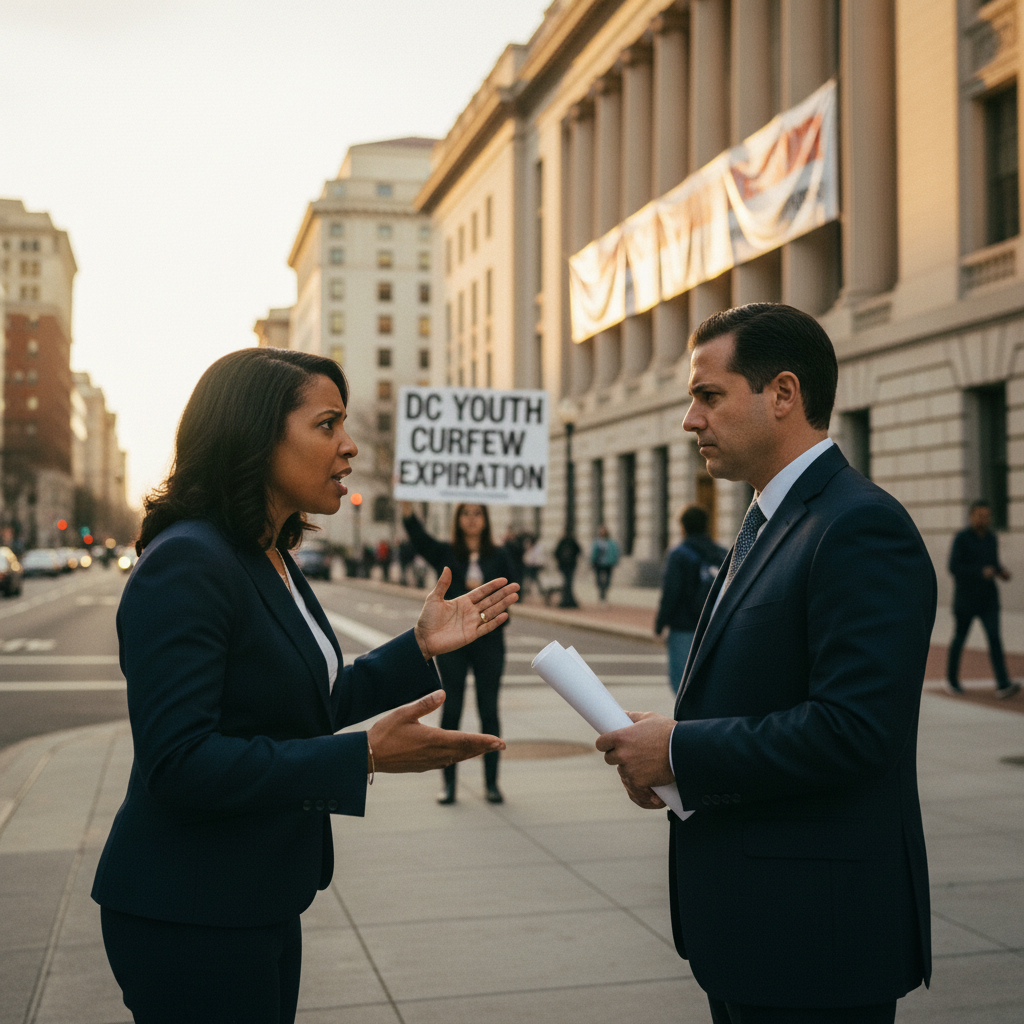
Washington D.C.'s youth curfew legislation is on the brink of expiration, drawing sharp criticism from Mayor Muriel Bowser and Councilmember Brooke Pinto who accuse the D.C. Council of allowing the vital public safety measure to lapse due to political maneuvering. The impending expiration reignites debate over youth violence prevention and the responsibilities of city leadership.
Impending Lapse of Youth Curfew
The District's youth curfew, a measure intended to enhance public safety and keep young people out of harm's way during late hours, is set to expire without renewed legislative action from the D.C. Council. This legislation typically restricts the presence of minors in public places during specified nighttime hours, aiming to reduce opportunities for youth involvement in crime, both as perpetrators and victims. The impending lapse comes amid ongoing discussions about rising crime rates and strategies to safeguard the city's youth.
Mayor and Councilmember Voice Strong Disapproval
Mayor Muriel Bowser and Ward 2 Councilmember Brooke Pinto have vocally expressed their frustration and disappointment with the D.C. Council's failure to extend the expiring youth curfew. Their criticism, as reported by WUSA9, centers on the perception that the Council's inaction is driven by political considerations rather than a genuine concern for the safety and well-being of the city's young residents. The sentiment that "it's all political" encapsulates the frustration articulated by these leaders, suggesting that legislative gridlock is overriding pressing community needs.
The Debate Over Youth Curfews
Youth curfews have long been a subject of debate in urban centers, balancing concerns over individual liberties with the imperative for public safety. Proponents argue that curfews provide a structured framework to protect minors from late-night dangers, reduce juvenile delinquency, and support parental supervision. They often point to data suggesting a correlation between curfews and a decrease in youth-involved crime during restricted hours. Critics, however, contend that curfews can disproportionately affect minority youth, lead to unnecessary police interactions, and may not be the most effective long-term solution to complex issues like youth violence.
Council's Position and Future Outlook
While Mayor Bowser and Councilmember Pinto have been vocal in their demands for action, the D.C. Council has not moved to extend the legislation, leading to its imminent expiration. The reasons behind the Council's inaction, as interpreted by critics, stem from a reluctance to engage with a policy that some view as controversial or ineffective. The lack of consensus underscores the challenging political landscape in the District regarding public safety measures that affect its youngest residents. Without a clear path forward for renewal, the city faces the prospect of operating without this specific tool in its youth violence prevention arsenal.
The Metropolitan Police Department (MPD) often plays a crucial role in enforcing such curfews, and their operational strategies may need adjustment in the absence of this specific legislative backing. Data on juvenile arrests and crime incidents can be found on the MPD website, providing context for the ongoing public safety dialogue in the District.
Implications for D.C. Residents
For parents and guardians in Washington D.C., the expiration of the youth curfew means a shift in the legal framework governing their children's presence in public during late hours. While parental responsibility remains paramount, the absence of a city-wide curfew removes a specific legal tool that has been part of the District's approach to youth safety for years. This development prompts a renewed focus on community-based initiatives and comprehensive strategies for youth engagement and violence prevention. Residents can stay informed about legislative developments through the official D.C. Government website and track Council proceedings via the Council of the District of Columbia's portal.
📍 Local Resources
Provides supervision, care, and a range of rehabilitative services for committed youth in the District of Columbia.
Works to prevent violence and promote public safety through community engagement, intervention, and restorative justice practices in DC.
Explore more on this topic
Related Stories
Councilmember Janeese Lewis George Urges Caution on Waymo Legislation, Citing DC's Jobs Crisis
Ward 4 Councilmember Janeese Lewis George has urged the DC Council to pump the brakes on Waymo legislation this year, warning that rushing autonomous vehicle laws could worsen the city's "jobs crisis" by displacing workers. She emphasizes the need to prioritize safety and worker support alongside technological advancement.
Ousted Board of Appeals Chair Sues Howard County Council, Office of Law
Howard County's ousted Board of Appeals chair has filed a lawsuit against the County Council and the Office of Law, initiating a significant legal challenge within the local government structure. This action highlights internal administrative disputes and brings the county's appointment and oversight processes into public scrutiny.