Crime
Tragedy Strikes D.C.: Mother's Warning Precedes Teen's Fatal Shooting Near High School
Share this article
Advertisement
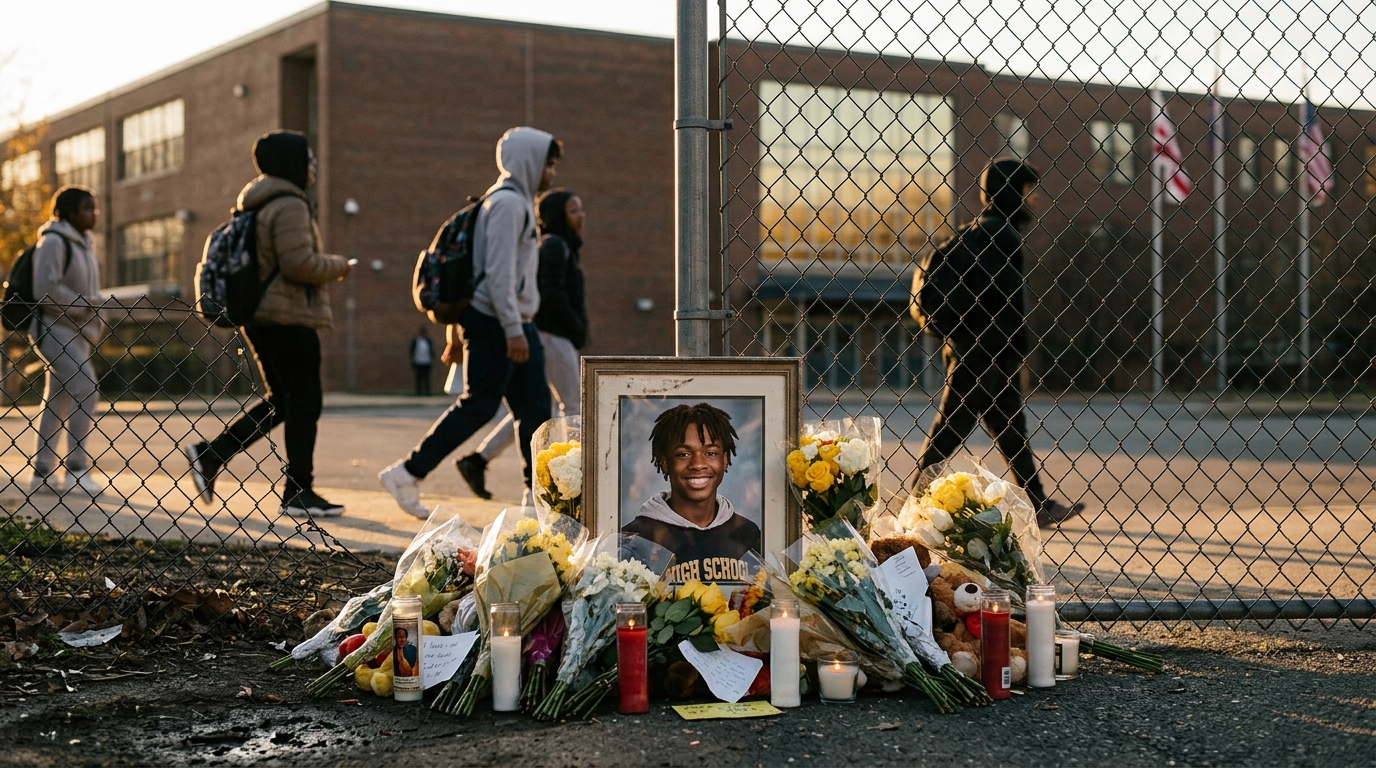
The words of a worried mother, cautioning her son to be careful, hung heavy in the air on May 8. By that evening, a vibrant young life, brimming with potential, was tragically cut short in what has become a devastatingly familiar story for many Washington, D.C. families. Brady Dale Flowers II, a D.C. student, died after being shot near his high school, leaving his community grappling with another senseless act of violence. This heartbreaking incident has cast a somber shadow over the city, particularly in the neighborhoods surrounding the school where Flowers was a familiar face. It underscores the profound concerns parents hold for their children's safety, especially as youth violence continues to plague parts of the District. The Metropolitan Police Department (MPD) is actively investigating the circumstances surrounding Flowers' death, seeking to bring those responsible to justice and provide answers to his grieving family and friends.
A Mother's Plea and a Fateful Day
On the morning of May 8, as Brady Dale Flowers II prepared for his day, his mother, whose name has been withheld by the family but was extensively quoted by The Washington Post, delivered a heartfelt warning. She urged him to be cautious, particularly regarding the company he kept. This poignant moment, a common maternal instinct, became a tragic premonition as the day unfolded. Flowers, a student at an unnamed D.C. high school, spent his day like many teenagers, navigating classes and social interactions. However, by the evening hours, the optimism of morning had vanished. Details surrounding the shooting remain under investigation, but what is clear is that Flowers was shot near his school campus. Emergency services responded, but despite efforts to save him, he succumbed to his injuries. The news sent shockwaves through the school community and beyond, marking another grim statistic in the city's ongoing struggle with gun violence affecting its youth."I told him to be careful, especially with some of the friends he was hanging around. I just had a bad feeling that day." — Brady Dale Flowers II's Mother (The Washington Post)
The Ripple Effect on a Community
The loss of Brady Dale Flowers II isn't just a statistic; it's a gaping wound in the fabric of a family and a community. His mother's raw grief, shared with The Washington Post, highlights the devastating personal toll of youth violence. She described her son as a lively young man with aspirations, whose life was prematurely extinguished. This sentiment resonates deeply with many D.C. residents who have witnessed similar tragedies unfold in their neighborhoods. The incident near a high school also casts a spotlight on the broader issue of safety for students. While schools strive to provide secure environments, incidents occurring just outside their perimeters still impact the sense of security for students, staff, and parents. It prompts renewed discussions about intervention strategies, community engagement, and the need for comprehensive approaches to curb violence. The D.C. Public Schools (DCPS) system, like many urban districts, frequently grapples with the challenge of supporting students through grief and trauma while also reinforcing safety protocols. For information on school safety initiatives, residents can visit the DCPS School Safety and Security page.The shooting death of Brady Dale Flowers II on May 8 near his D.C. high school marks another tragic loss for the city, underscoring persistent challenges with youth violence.
MPD's Ongoing Investigation and Community Response
The Metropolitan Police Department is leading the investigation into Flowers' death. Detectives are working tirelessly to piece together the events of May 8, including reviewing any available surveillance footage, interviewing potential witnesses, and exploring the dynamics of the "friends" his mother referenced. While specific details about suspects or motives have not yet been publicly released, the MPD is urging anyone with information to come forward. The effectiveness of these investigations often relies on community cooperation, a factor that can be complex in areas where trust in law enforcement may be strained. The community's response has been a mix of sorrow, anger, and a renewed call for action. Vigils may be organized, and local leaders are likely to reiterate pleas for peace and for residents to report suspicious activities. Organizations dedicated to violence prevention and youth mentorship often step up during such times, offering support and resources. The city's official portal, MPDC.dc.gov, provides ways for residents to submit tips anonymously and learn more about crime prevention programs.Addressing the Root Causes of Youth Violence
The tragic passing of Brady Dale Flowers II is a stark reminder of the systemic issues contributing to youth violence in the District. Factors such as access to firearms, economic disparities, lack of opportunities, and mental health challenges often intersect, creating environments where young people can become victims or perpetrators of violence. Addressing these root causes requires a multi-faceted approach involving government agencies, community organizations, and individual citizens. Initiatives aimed at providing mentorship, after-school programs, and job training for D.C. youth are crucial. These programs offer alternatives to risky behaviors and provide positive pathways for development. Additionally, efforts to reduce gun violence, including stricter enforcement and community-led interventions, are vital. The Mayor's Office on Returning Citizen Affairs (MORCA), for example, works to support individuals returning to the community, which can indirectly impact overall safety and reduce cycles of violence. Furthermore, mental health services for youth and families, especially those affected by trauma, are essential components of a comprehensive violence prevention strategy. For DMV residents, particularly those in Washington, D.C., this incident serves as a painful reminder of the ongoing challenges facing young people in the city. It emphasizes the need for continued vigilance, community support, and active participation in efforts to create safer spaces. Families are urged to engage with their children, understand their social circles, and utilize available resources to foster safe environments. The investigation into Brady Dale Flowers II's death is ongoing, and the community will be watching closely for updates from the MPD, hoping for swift justice and a clearer understanding of the events that led to this young man's untimely demise.📍 Local Resources
DC Victim Hotline
Confidential and free 24/7 support for crime victims in Washington, D.C.
📞 Phone: (844) 443-4432
🌐 Website: dcvictimhotline.org
Metropolitan Police Department (MPD) Tip Line
For reporting information related to crimes, including homicides.
📞 Phone: (202) 727-9099
🌐 Website: mpdc.dc.gov/anonymous-tip-line
Cure the Streets (Office of Neighborhood Safety and Engagement)
Community-based violence interruption program operating in specific D.C. neighborhoods.
🌐 Website: onse.dc.gov/cure-streets
📍 Location: Various sites across D.C.
Advertisement