D.C. Row House Residents Grapple with Persistent Rat Problem Fueled by Neighbor's Trash
Share this article
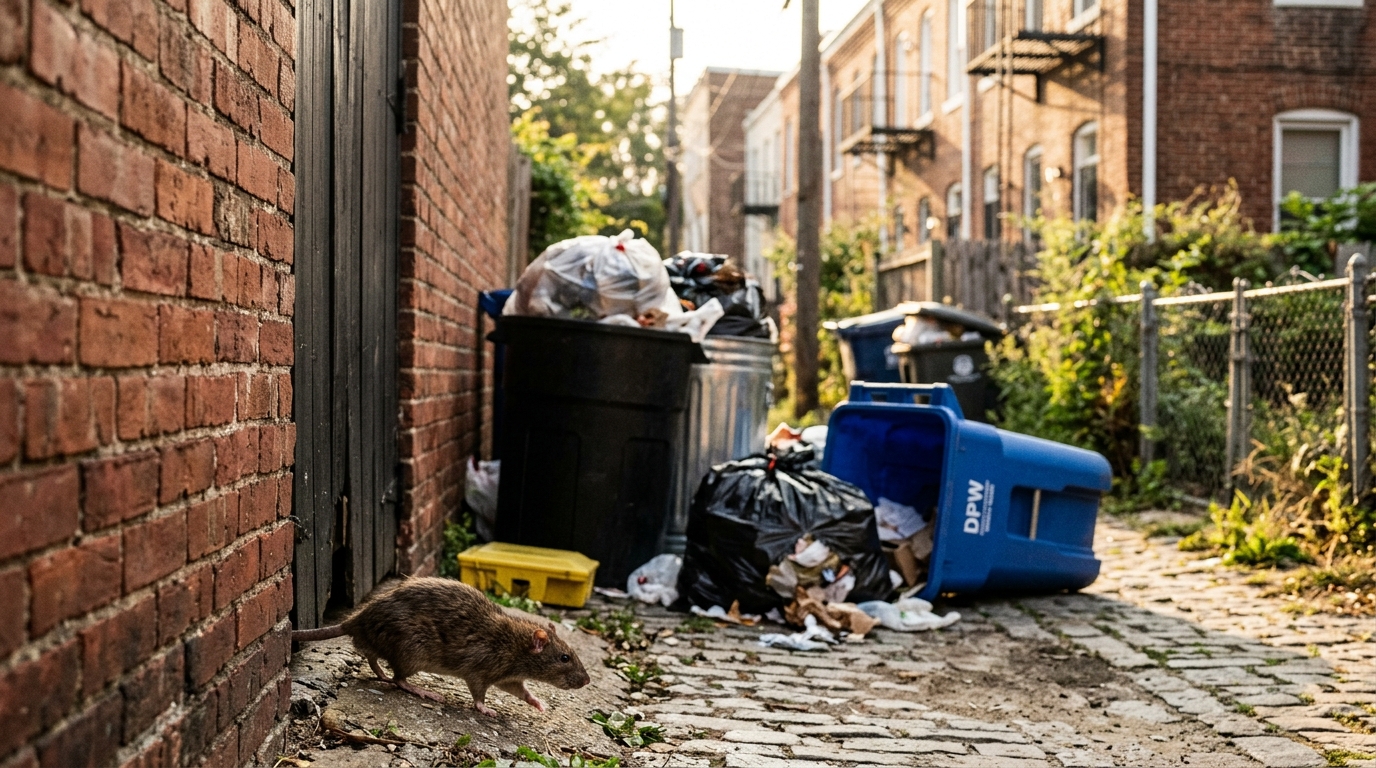
A Neighborhood Under Siege
The problem, as described by the concerned resident, is clear and direct: a specific neighbor's trash has become the primary food source for a burgeoning rat population. This isn't just about a few stray rodents; it’s an ongoing struggle that impacts the entire block. The close-knit nature of D.C.'s row house communities means that one person's waste management habits can quickly turn into a collective nightmare for everyone living nearby."We have a neighbor whose trash is the major feeding source for the rats." — Concerned D.C. Resident (Popville)This kind of situation isn't isolated. D.C. has long battled its rat population, earning a reputation as one of the rattiest cities in the country. While the city’s Department of Public Works (DPW) and D.C. Health’s Rodent Control Division work to mitigate the issue, individual property maintenance remains a critical factor.
Navigating City Services: A Bureaucratic Maze
The resident's plea for help didn't just highlight the problem; it also exposed perceived gaps in how city services respond to neighborhood-wide issues stemming from a single property. When neighbors tried to get new trash cans from the city for the offending property, they were reportedly told no. This suggests a hurdle for residents attempting to proactively address root causes of rodent issues when the problem originates with a reluctant or unresponsive neighbor. Even more frustrating, residents found that D.C. Rat Services would only take requests for their own address, not for a neighbor's property. This policy, while likely intended to manage service requests efficiently, creates a significant barrier when the source of the infestation is next door. It effectively leaves neighbors feeling powerless to address a public health issue that isn't directly on their own land, even when it directly impacts their quality of life.The Public Health and Community Impact
Rats aren't just a nuisance; they pose significant public health risks. They can spread diseases like leptospirosis, salmonella, and hantavirus, and their droppings can trigger allergies and asthma. Beyond health concerns, a rat infestation can lead to property damage, contaminate food sources, and severely diminish a neighborhood's overall livability and property values. For residents of the affected block, the ongoing presence of rats due to a neighbor's trash can erode a sense of community and safety. It creates tension and a feeling of helplessness when traditional avenues for civic engagement and problem-solving seem blocked. Effective strategies often require a multi-pronged approach, combining individual responsibility with responsive city services and community advocacy.What's Next for D.C. Residents?
Addressing a problem like this often requires more than just calling 311. Residents facing similar predicaments might consider reaching out to their Advisory Neighborhood Commission (ANC) commissioner, who can act as an advocate and help navigate city bureaucracy. ANCs are hyper-local, non-partisan bodies that advise the D.C. government on issues affecting their neighborhoods. A well-placed complaint or a collective appeal from multiple neighbors can sometimes spur action where individual calls fall short. Additionally, understanding the city's official guidelines for waste management and rodent control can empower residents. The D.C. Department of Public Works provides information on trash collection schedules and proper container usage, while D.C. Health's Rodent Control Division offers services and advice for prevention. While the current system presents challenges for reporting issues on another's property, persistent, collective advocacy can sometimes lead to policy reevaluation or direct intervention. For D.C. residents on affected blocks, it's crucial to document the problem, gather support from other neighbors, and explore all available channels, including their local ANC and Ward Councilmember's office. This situation underscores the ongoing need for clear, accessible, and responsive city mechanisms that effectively address public health nuisances that cross property lines, ensuring that one neighbor's problem doesn't become the entire block's burden. What happens next on this particular block might just set a precedent for how the city tackles similar issues across the district.📍 Local Resources
For reporting non-emergency issues to the District government, including trash complaints and rodent sightings.
Manages trash collection, recycling, and provides information on proper waste disposal and bin requests.
Offers services to control and prevent rodent infestations in the District.
Explore more on this topic
Related Stories
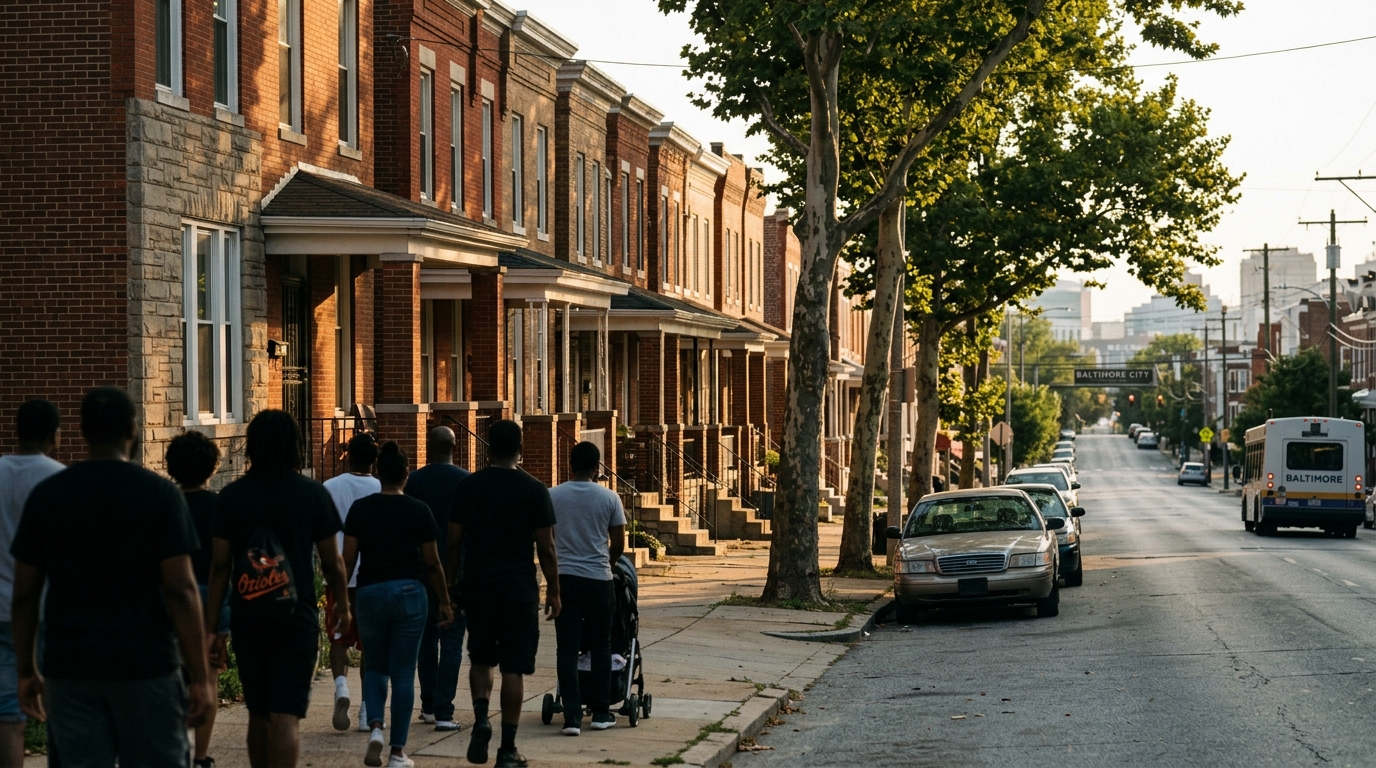
Baltimore Comedians Stavros Halkias and Ego Nwodim Dive into City vs. County Debate
Baltimore natives and celebrated comedians Stavros Halkias and Ego Nwodim have reportedly weighed in on the long-standing "County vs. city" debate, a cultural touchstone for residents of Baltimore and the wider DMV region.
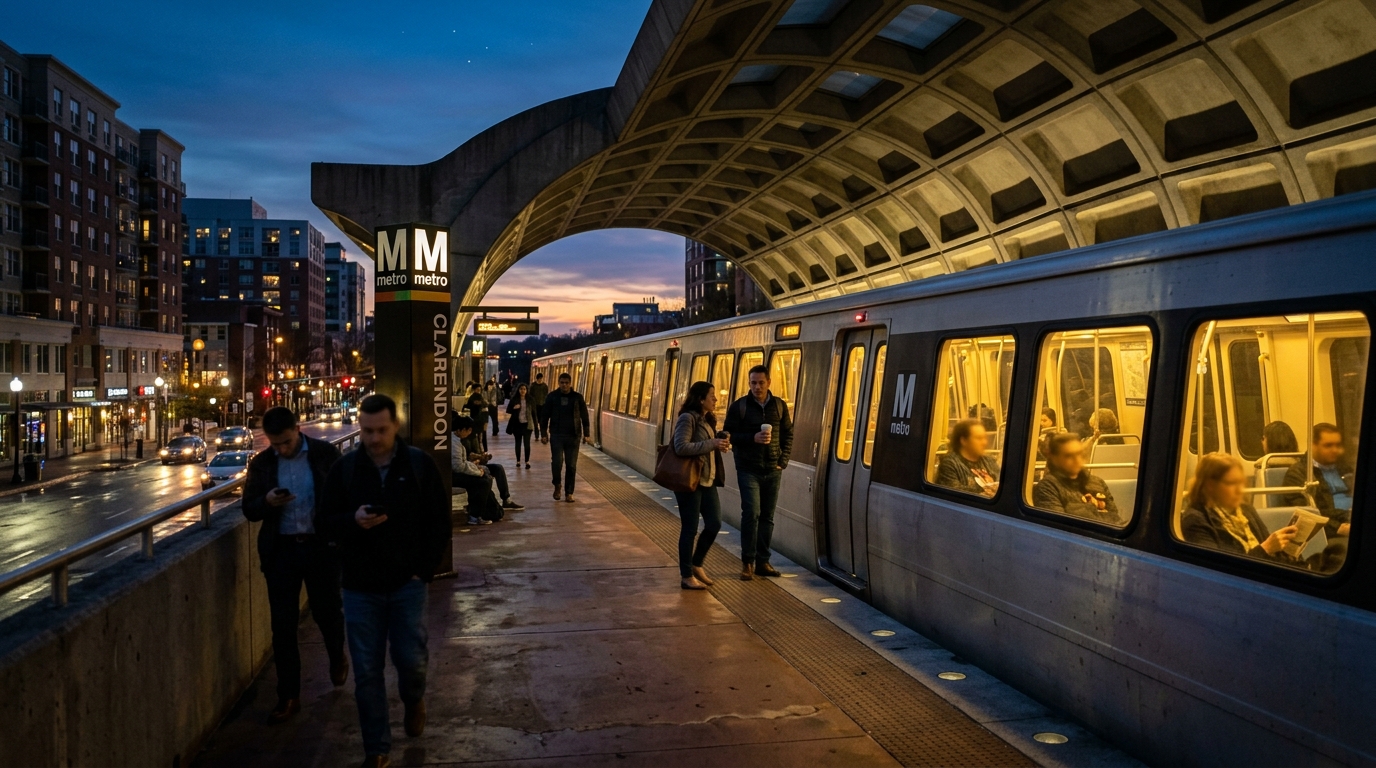
Clarendon's Ella Atelier Reinvents Nail Care with Dual-Technician Approach
Ella Atelier, a new nail salon in Clarendon, Arlington, is redefining nail care by offering simultaneous manicures and pedicures with two technicians per client, effectively cutting service time in half for busy DMV residents.
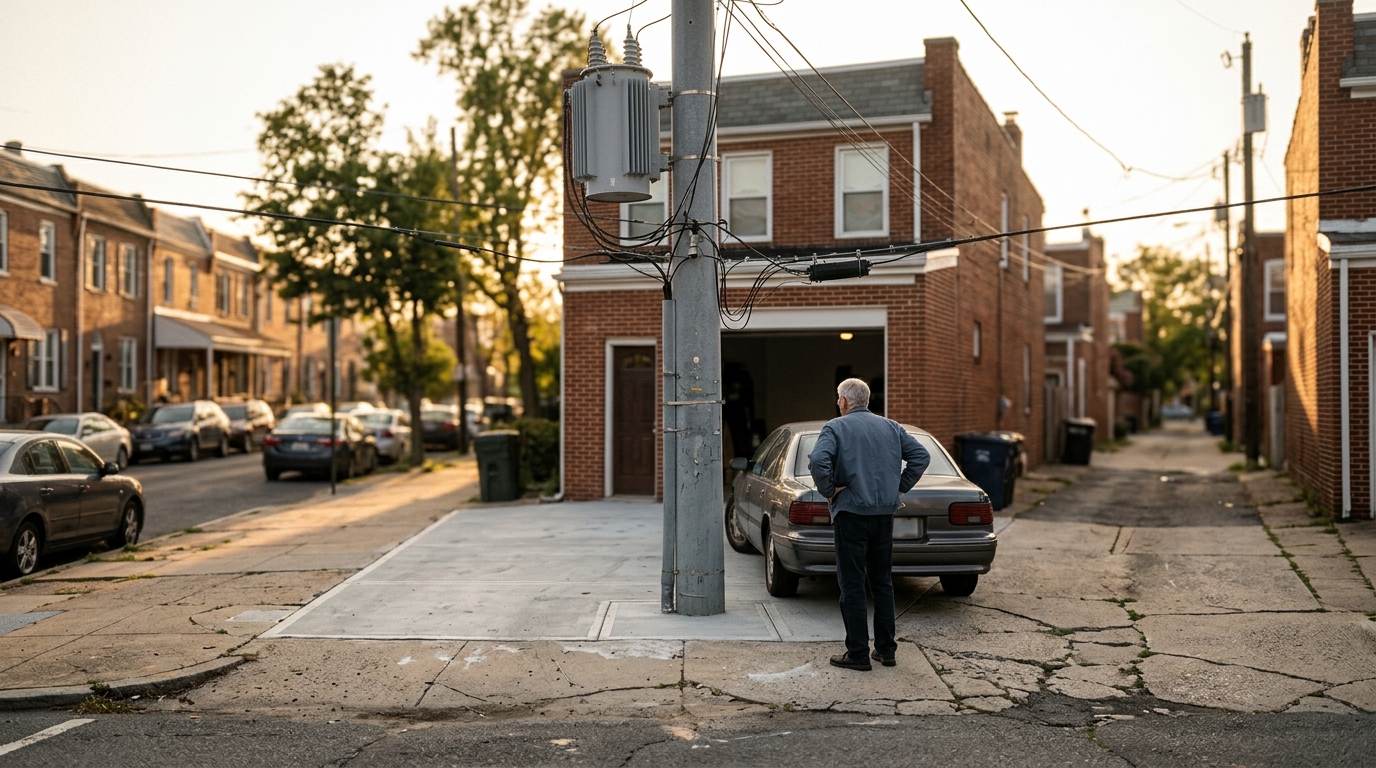
DC Homeowner Faces Driveway Dilemma: Light Pole Blocks Access, DDOT Cites Public Alley
A new homeowner in Washington, DC, is facing a unique and dangerous problem: a light pole inexplicably situated in the middle of their driveway. After hitting a wall with DDOT, who claim the pole is in a public alley, the homeowner has turned to the community for help in resolving this frustrating and costly dilemma.