Man Sentenced to Three Years for Purse Theft in Washington D.C. Restaurant
Share this article
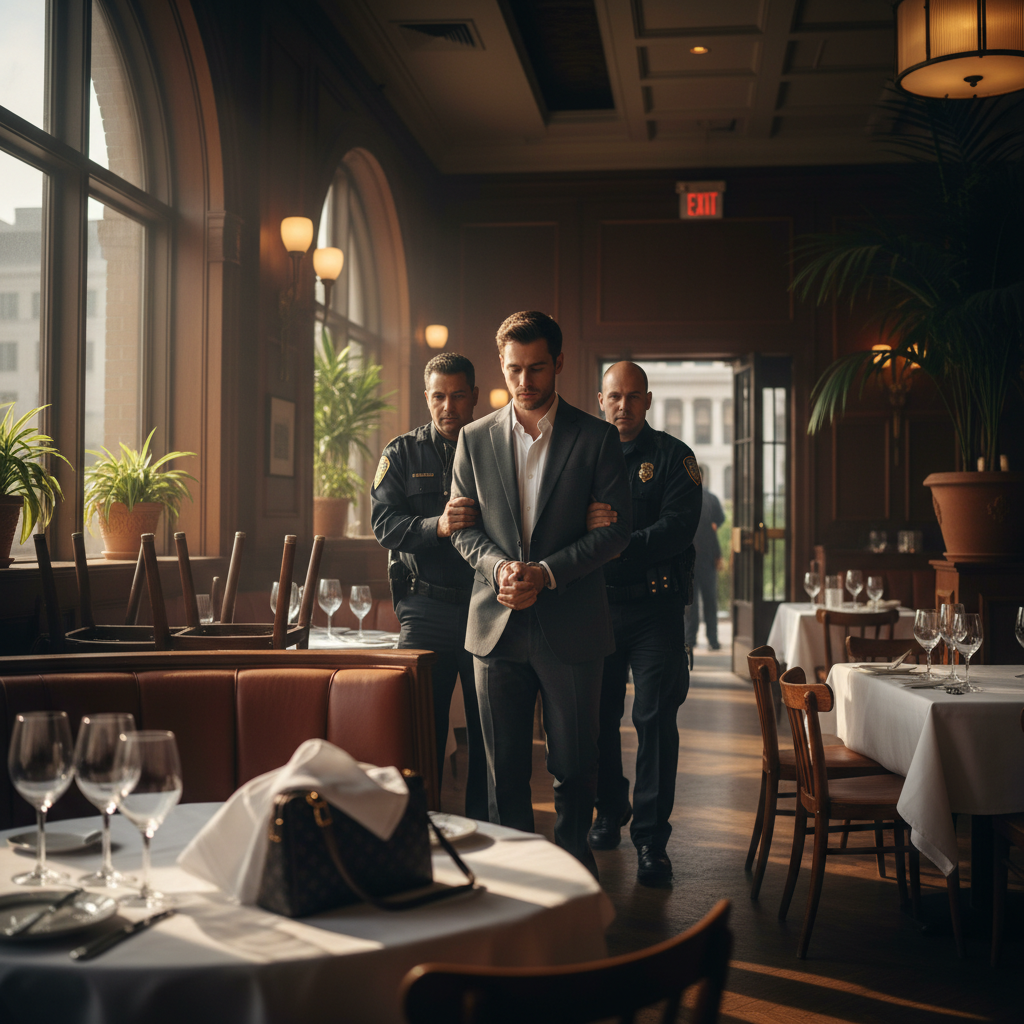
Understanding Property Crime in Washington D.C.
Property crime, including theft and larceny, remains a consistent challenge for urban areas like Washington D.C. Incidents such as purse swiping, while often non-violent, can lead to significant distress for victims, potentially involving financial loss, identity theft risks, and a breach of personal security. The District's law enforcement agencies actively work to deter these crimes, and the courts play a crucial role in delivering justice.The Judicial Process and Sentencing in the District
The sentencing of the individual to three years in prison reflects the District of Columbia's commitment to upholding public safety and deterring criminal activity. In D.C., criminal cases are typically handled by the Superior Court of the District of Columbia. The process involves investigation by law enforcement, potential charges filed by prosecutors, and if a conviction is secured, a sentencing phase where a judge determines the appropriate penalty based on the nature of the crime, the defendant's record, and sentencing guidelines. Sentences for property crimes can vary widely depending on factors such as the value of the stolen items, any prior offenses by the defendant, and whether the crime involved other aggravating circumstances. A three-year sentence indicates a serious view of the offense committed in the D.C. restaurant.Impact on D.C. Residents and Visitors
For those who frequent Washington D.C.'s vibrant restaurant scene, such incidents can prompt a reevaluation of personal security habits. Dining establishments, from casual cafes to upscale restaurants, are generally considered safe spaces, but they can unfortunately become targets for opportunistic thieves. The presence of a high-profile victim, Kristi Noem, in this case, may draw additional attention to the prevalence and impact of property crime in the nation's capital. The D.C. government provides various resources for residents and visitors, including victim services and public safety information. The Office of the Attorney General for the District of Columbia offers support and resources for those affected by crime, aiming to help victims navigate the aftermath and recovery process. This sentencing serves as a clear message that such criminal acts within the District will be met with significant legal consequences. It reinforces the importance of community vigilance and collaboration between law enforcement and the public to maintain a safe environment for everyone enjoying D.C.'s many amenities.📍 Local Resources for Washington D.C.
Provides resources and support to crime victims in D.C., including information on compensation, counseling, and legal aid.
Assists with court filings, case information, and provides general guidance on the judicial process in D.C.
For reporting non-emergency crimes or seeking information on crime prevention. In emergencies, always dial 911.
Explore more on this topic
Related Stories

Eastern Gourmet to Bring Noodle-Free Sichuan Cuisine to Baltimore's Inner Harbor
A new Chinese restaurant, Eastern Gourmet, is set to open in Baltimore's Inner Harbor, specializing in Sichuan cuisine but notably without any noodle dishes on its menu. This unique approach promises to bring a distinct flavor profile to the city's waterfront dining scene.

Fairfax County Study Reveals Permitting Headaches for Local Restaurants, County Promises Streamline
A new study in Fairfax County confirms what many restaurant owners know: the permitting process is long and inconsistent. The county is now planning to streamline these procedures to better support local small businesses.

BUL Korean Restaurant Ignites 18th Street Again in Adams Morgan
BUL Korean Restaurant has triumphantly reopened its doors on 18th Street NW in Adams Morgan, bringing beloved Korean comfort food and soju back to the neighborhood after a period of "inconsistent hours" and a family health challenge.