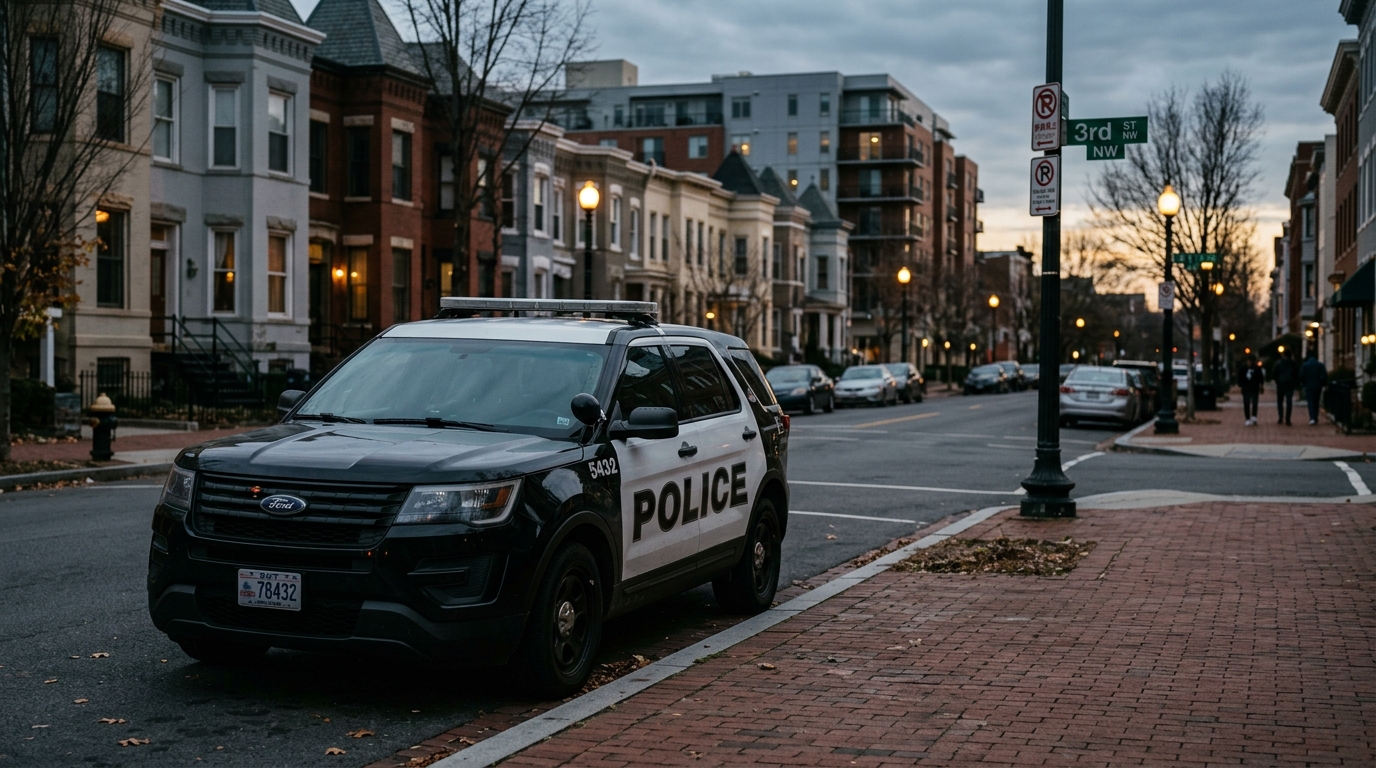
A cloud of suspicion has once again settled over the Metropolitan Police Department (MPD) as reports indicate that several DC police officers are facing accusations of overtime fraud. While specific details remain scarce, the mere suggestion of misconduct within the ranks of those sworn to protect and serve immediately raises serious questions about accountability, public trust, and the stewardship of taxpayer dollars in the nation's capital. The allegations, highlighted in a recent
News4 Rundown segment by NBC Washington, point to potential abuses of the system designed to compensate officers for working beyond their standard hours. For Washington, DC residents, this isn't just an internal departmental issue; it's a direct concern about the integrity of the police force and how public funds are managed. The potential ramifications stretch from departmental morale to the broader relationship between law enforcement and the communities it serves across the District.
Accusations of overtime fraud against law enforcement personnel directly impact public trust and the responsible use of taxpayer funds.
### The Nature of Overtime Fraud Allegations Overtime fraud, particularly within public agencies like a police department, typically involves officers claiming hours they didn't work, submitting fraudulent paperwork, or engaging in activities unrelated to their duties while on the clock for overtime pay. This could range from minor discrepancies to systematic abuses that siphon significant amounts of money from public coffers. Such schemes can be complex, sometimes involving falsified logs, supervisors who look the other way, or even intricate networks designed to exploit system weaknesses. The Metropolitan Police Department operates on a substantial budget, a significant portion of which is allocated to personnel costs, including overtime. This overtime is often crucial for maintaining adequate staffing levels during major events, addressing crime spikes, or covering shifts when regular personnel are unavailable. When these funds are allegedly misused, it doesn't just represent a financial loss; it undermines the very purpose of having a well-funded and responsive police force. ### Impact on Public Trust and Departmental Integrity For any law enforcement agency, public trust is its most valuable asset. Accusations of internal misconduct, especially those involving financial impropriety, can severely erode that trust. Residents rely on their police department to uphold the law, and when officers themselves are accused of breaking rules for personal gain, it can foster cynicism and resentment within the community. This is particularly sensitive in Washington, DC, where community-police relations have been a persistent topic of discussion and reform efforts. Moreover, such allegations can have a corrosive effect on departmental integrity and morale. Honest officers who dedicate themselves to their duties can feel betrayed or unfairly tarnished by the actions of a few. It can create an environment of suspicion internally and make it harder for the department to recruit and retain high-quality personnel. The
Metropolitan Police Department's mission to provide safety and security to all residents depends heavily on its perceived legitimacy and the ethical conduct of its members. ### The Investigative Process and Accountability When accusations of overtime fraud surface, they typically trigger a rigorous internal investigation, often spearheaded by the department's Internal Affairs Bureau. Depending on the severity and scope of the allegations, other oversight bodies, such as the
DC Office of the Inspector General (OIG) or even federal authorities like the FBI, might become involved. These investigations aim to gather evidence, interview witnesses, review financial records, and determine the veracity of the claims. The process is often confidential to protect the integrity of the investigation and the rights of those accused. However, transparency in the outcomes is crucial for maintaining public confidence. If the allegations are substantiated, officers could face a range of disciplinary actions, from suspension and termination to criminal charges and prosecution. The District of Columbia government, like all public entities, has a responsibility to ensure accountability and to protect taxpayer money from fraud and abuse. The
DC government's commitment to transparency is vital in these situations. ### Financial Implications for DC Taxpayers Every dollar lost to fraud is a dollar that cannot be spent on essential public services, whether it's funding schools, repairing roads, or investing in community programs. Washington, DC residents pay taxes with the expectation that their money will be used wisely and ethically to improve their quality of life and ensure their safety. Overtime fraud, therefore, represents a direct financial blow to the city's budget and, by extension, to its taxpayers. The cumulative effect of such fraud, if widespread, could amount to significant sums, potentially impacting the city's ability to fund other critical initiatives. It underscores the importance of robust internal controls, diligent oversight, and clear policies regarding overtime approval and tracking within all government agencies, including the MPD. ### Moving Forward: Rebuilding and Reinforcing Trust As the investigation into these overtime fraud allegations proceeds, the focus for the Metropolitan Police Department and the District government will undoubtedly be on thoroughness and transparency. It's an opportunity to reinforce existing policies, implement new safeguards, and send a clear message that misconduct will not be tolerated. For residents across the District, from Georgetown to Anacostia, and from Columbia Heights to Capitol Hill, these accusations are a reminder of the constant need for vigilance and accountability in public service. What to watch for next is how swiftly and comprehensively the investigation unfolds, what measures are put in place to prevent future occurrences, and how the department communicates its findings to the community. The integrity of the MPD and the trust of DC residents depend on a clear, decisive response to these serious allegations.
📍 Local Resources
DC Office of the Inspector General (OIG) Investigates fraud, waste, and abuse in District of Columbia government programs and operations. Citizens can report suspected misconduct.
📍 Location: 717 14th St NW, Washington, DC 20005
🕐 Hours: Mon-Fri 9am-5pm
Metropolitan Police Department (MPD) Internal Affairs Bureau Handles complaints of misconduct against MPD officers. While specific details of ongoing investigations are confidential, this bureau is the primary point for internal accountability.
📍 Location: 300 Indiana Ave NW, Washington, DC 20001
🕐 Hours: Available for inquiries during business hours
DC Council's Committee on Public Safety and the Judiciary Oversees the Metropolitan Police Department and other public safety agencies. Residents can contact the committee to express concerns about police accountability and government oversight.
📍 Location: 1350 Pennsylvania Ave NW, Washington, DC 20004
🕐 Hours: Mon-Fri 9am-5:30pm