Politics
Education Takes Center Stage in DC Mayoral Debate
Share this article
Advertisement
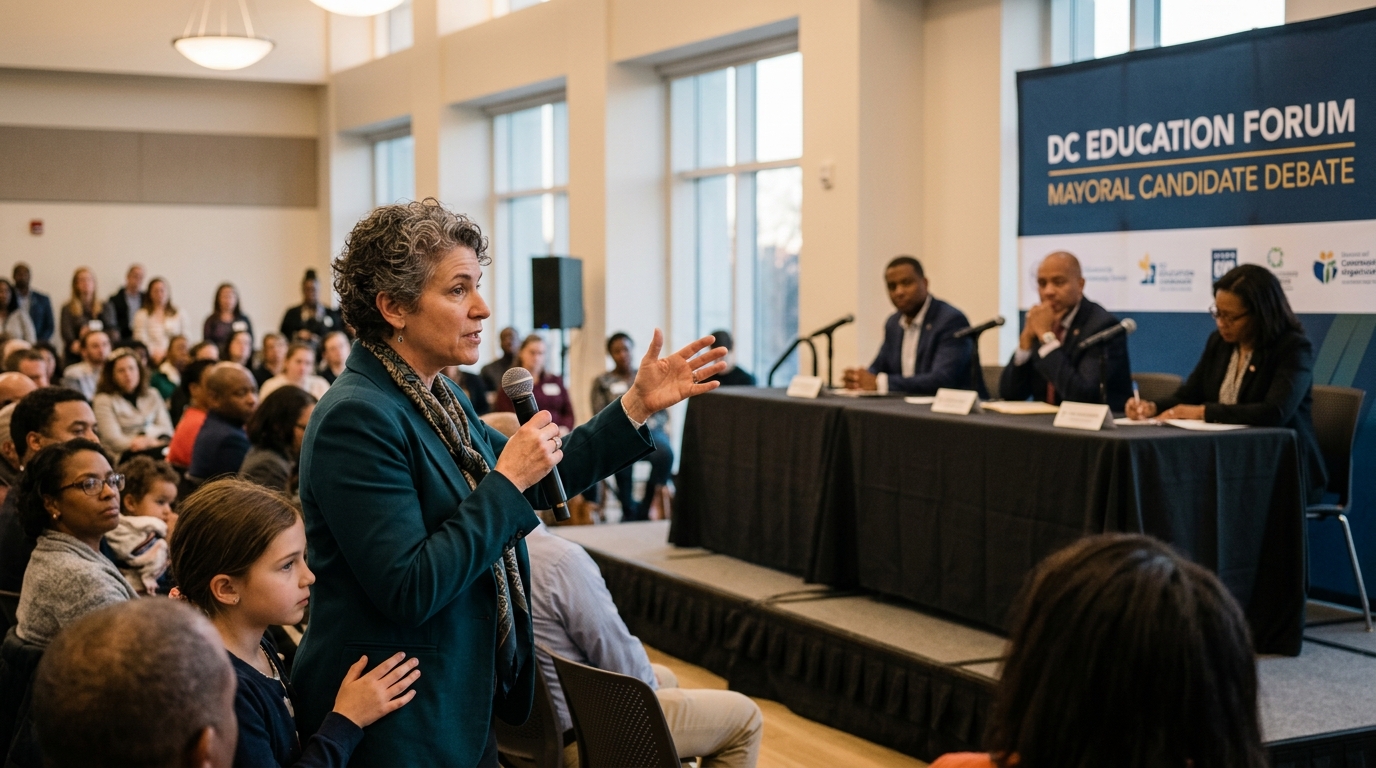
For many families across the District, the quality of local schools isn't just a talking point; it's the very foundation upon which they build their lives, choose their neighborhoods, and envision their children's futures. It's no wonder, then, that education emerged as a central pillar of discussion during a recent mayoral debate, giving voters a crucial look at how candidates plan to shape the city's learning landscape. The debate, which aired on FOX 5 DC, zeroed in on the complex and often contentious issues surrounding education in the nation's capital. With a mayoral election on the horizon, the event offered a dedicated platform for the city's leaders and hopefuls to address the concerns that resonate deeply from Ward 8 to Georgetown, touching on everything from classroom resources to accountability.
The Critical Role of Education in DC's Top Race
Education consistently ranks among the top concerns for District residents, impacting everything from property values to public safety. When mayoral candidates step onto the debate stage, their vision for schools often becomes a litmus test for their broader approach to governance. In a city as diverse and dynamic as Washington, DC, the challenges and opportunities within the educational system are equally varied. From early childhood learning to college readiness, the Mayor's office holds significant sway over the direction of DC Public Schools (DCPS) and the city's public charter school sector. This direct influence means that the person sitting in the Mayor's chair has the power to shape curriculum, allocate substantial budgets, appoint key leadership, and set the overall strategic vision for tens of thousands of students. Voters are keen to understand how candidates plan to leverage this power to address persistent achievement gaps, ensure equitable access to resources, and support both students and educators.Education consistently ranks among the top three concerns for District residents, often topping the list when it comes to quality of life issues and electoral priorities.
Navigating DC's Educational Landscape
The District's education system is a tapestry woven with public schools, public charter schools, and a growing number of independent and religiously affiliated institutions. Navigating this landscape presents unique challenges and opportunities. For mayoral candidates, this means addressing a broad spectrum of issues, including: * **Funding and Resources:** How will the city ensure that all schools, regardless of their ward or student demographic, receive adequate funding and resources? This often involves discussions around the per-pupil funding formula and capital investments for aging school buildings. * **Achievement Gaps:** Despite progress, significant disparities in academic outcomes persist across different student groups and neighborhoods. Candidates are pressed on strategies to close these gaps, focusing on early intervention, specialized programs, and teacher development. * **Teacher Recruitment and Retention:** Attracting and keeping high-quality educators is a perpetual challenge. Debates often delve into competitive salaries, professional development opportunities, and creating supportive working environments for teachers and school staff. * **School Choice and Enrollment:** The balance between DCPS and the thriving charter school sector is a constant topic. Candidates must articulate their stance on school choice, equitable enrollment processes, and how to foster collaboration rather than competition between different school types. * **Facility Modernization:** Many DC school buildings are historic, requiring significant investment to meet modern educational standards and provide safe, healthy learning environments. Plans for renovations, new construction, and facility maintenance are always on voters' minds. The debate format allows candidates to articulate their specific approaches to these complex issues, offering a direct comparison for voters weighing their options. Understanding the nuances of each candidate's platform on education is crucial for residents, as these policies will directly shape the future of the District's youth and the overall health of its communities. More information on DC's education system can be found on the DC Public Schools official website.The Mayor's Influence on Schools
The Mayor of Washington, DC, unlike many other large cities, has direct authority over the public school system. This means the Mayor appoints the Chancellor of DCPS and plays a significant role in budgetary decisions and policy directives. This centralized control often makes education a highly politicized issue during election cycles, as voters understand the direct line from the Mayor's office to their children's classrooms. During such a debate, candidates would typically lay out their vision for the Chancellor's role, their priorities for budget allocations, and how they plan to engage with parents, teachers, and community stakeholders. This includes discussing strategies for improving student outcomes, fostering innovative learning environments, and ensuring accountability across the system. The Office of the State Superintendent of Education (OSSE) also plays a critical role in overseeing academic standards and accountability for both public and public charter schools, adding another layer of complexity to the mayoral portfolioAdvertisement