D.C. Mayoral Hopefuls Confront Investor Resistance in Quest for Affordable Housing
Share this article
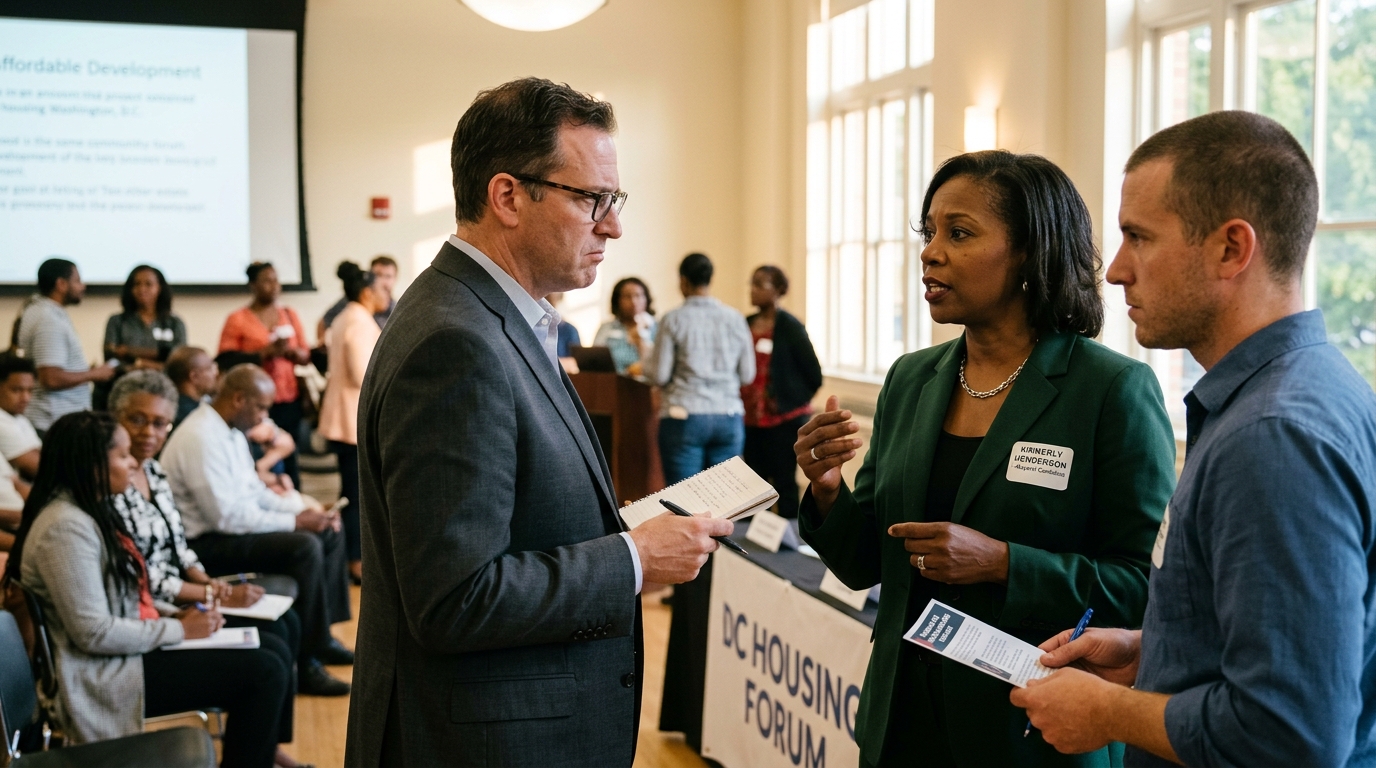
As Washington, D.C., grapples with a persistent housing affordability crisis, leading mayoral candidates Janeese Lewis George and Kenyan R. McDuffie are proposing distinct strategies to expand the city's housing supply and reduce costs for renters. However, their ambitions face a significant and shared challenge: the often-conflicting interests of real estate investors [1].
The upcoming 2026 mayoral election is already seeing housing as a central campaign issue, reflecting the immense pressure D.C. residents feel from soaring rents and home prices. Both Lewis George, a Ward 4 Councilmember, and McDuffie, an At-Large Councilmember, recognize the urgent need to address this imbalance, yet the path forward is complex, marked by economic realities and the preferences of those who fund and build the city's developments [1].
The D.C. Housing Affordability Imperative
Washington, D.C., consistently ranks among the most expensive cities in the United States for housing. Decades of strong job growth, particularly in the federal government and burgeoning tech sectors, have fueled demand, while the supply of new housing units has struggled to keep pace. This imbalance has driven up the cost of living, pushing out long-term residents and making it increasingly difficult for essential workers, young professionals, and families to find homes they can afford within the District.
According to the U.S. Department of Housing and Urban Development (HUD), fair market rents in D.C. remain exceptionally high across all unit sizes, highlighting the financial strain on households. Many residents spend well over 30% of their income on housing, a benchmark often used to define housing cost burden.
Candidates' Housing Visions Face Market Realities
While the Washington Post reports that Councilmember Lewis George and Councilmember McDuffie's plans "are different in scope," they share the overarching goal of increasing housing supply and lowering costs [1]. The specifics of their proposals, though not fully detailed in recent reporting, are expected to touch upon various policy levers, including zoning reforms, incentives for affordable housing development, and potentially rent stabilization measures.
However, the critical hurdle highlighted is the sentiment of real estate investors [1]. In a competitive market like D.C., developers and financial backers are primarily driven by returns on investment. Policies that are perceived as reducing profitability—such as strict rent caps, extensive affordable housing mandates without sufficient subsidies, or lengthy approval processes—can deter investment and slow down the very construction needed to alleviate the housing shortage.
This creates a delicate balancing act for mayoral candidates. They must champion the needs of residents clamoring for affordability, while simultaneously ensuring that the District remains an attractive environment for the private sector to build and invest. Without private investment, the ambitious housing goals set by any mayoral administration would be difficult to achieve, given the scale of the housing deficit.
Navigating the Investor-Affordability Divide
The disconnect between political aspirations for broad affordability and the profit motives of investors is a common tension in urban development. For D.C., finding common ground may involve a multi-pronged approach:
- Targeted Incentives: Offering tax abatements, density bonuses, or direct subsidies for developments that include a significant percentage of affordable units.
- Streamlined Permitting: Reducing bureaucratic hurdles and accelerating the approval process for projects that align with the city's housing goals.
- Public-Private Partnerships: Leveraging District-owned land and resources to partner with developers on mixed-income projects. The DC Housing Finance Agency (DCHFA) already plays a crucial role in this area.
- Zoning Reform: Re-evaluating existing zoning laws to allow for greater density, particularly along transit corridors and in areas historically resistant to new development.
The Urban Institute's Housing Finance Policy Center frequently studies these dynamics, noting that successful housing strategies often involve a blend of market-based solutions and regulatory frameworks designed to protect vulnerable populations.
What This Means for D.C. Residents
For renters and prospective homeowners in neighborhoods from Columbia Heights to Anacostia, the outcome of this political and economic tussle is paramount. The ability of the next mayoral administration to effectively bridge the gap between investor interests and community needs will directly impact whether D.C. becomes a more equitable and affordable place to live, or if the housing crisis continues to deepen.
The challenge facing Lewis George and McDuffie is not merely about crafting policy, but about effective governance and negotiation—persuading a diverse set of stakeholders, from community groups to large development firms, to buy into a shared vision for a more accessible Washington, D.C. The stakes are high for the city's future demographics and economic vitality.
📍 Local Resources
Provides programs and services to preserve and expand affordable housing and homeownership opportunities in Washington, D.C.
Offers free housing counseling, tenant rights assistance, and foreclosure prevention services to D.C. residents.
Provides free legal assistance to low-income D.C. residents on civil matters, including housing issues like eviction prevention and landlord-tenant disputes.
Explore more on this topic
Related Stories
Arlington Central Library to Host Community Forum on Low-Income Housing Assistance

Alexandria's Public Housing Authority Reflects on First Year of Rebuild, Mayor Says More Work Ahead
Alexandria's public housing authority, ARHA, has reported progress one year after a leadership overhaul, though Mayor Alyia Gaskins notes significant work remains for the critical housing agency.
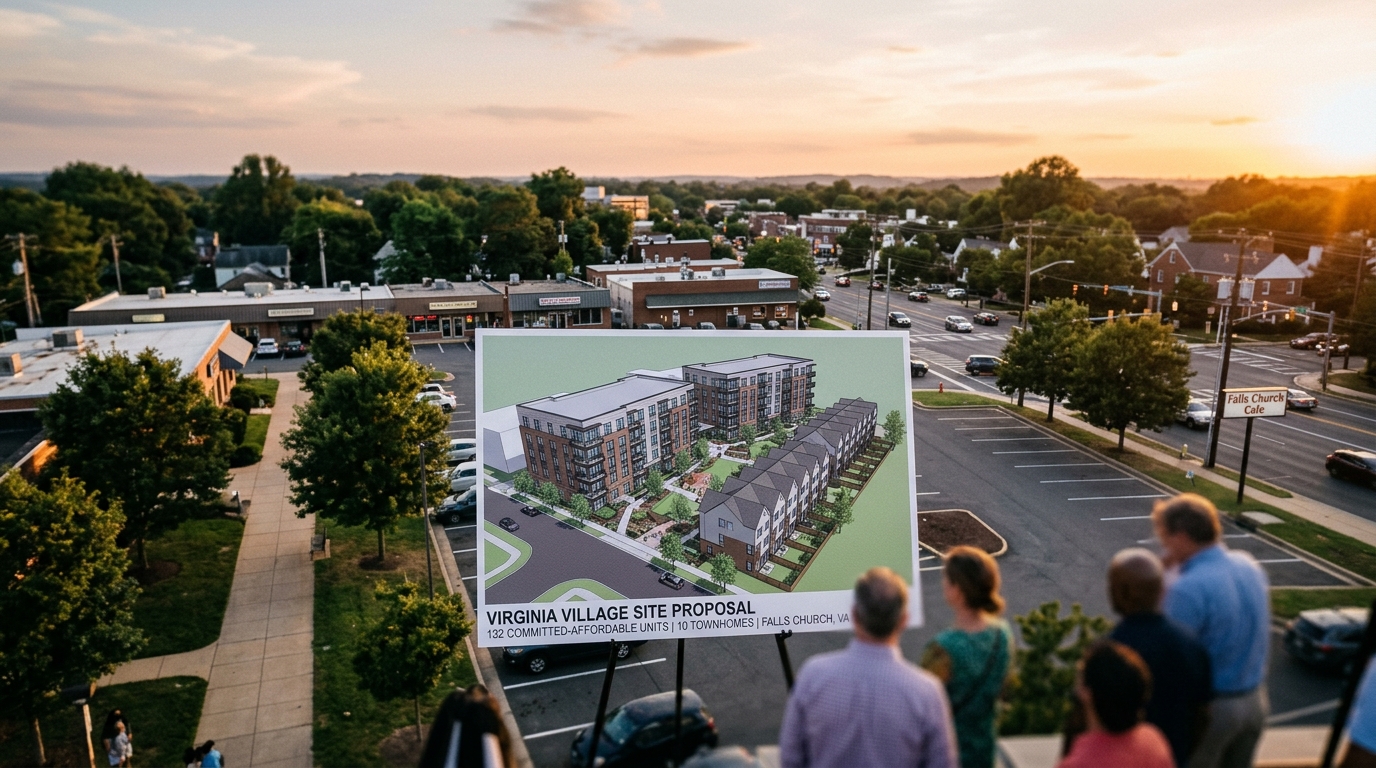
New Proposal for Virginia Village in Falls Church Promises 132 Affordable Housing Units and Townhomes
A new proposal for the Virginia Village site in Falls Church outlines two mid-rise apartment buildings with 132 committed-affordable units, coupled with 10 townhomes, aiming to boost local housing options.