Mayoral Candidate Pledges Composting Expansion to Tackle D.C.'s Rat Problem
Share this article
The Persistent Challenge of D.C.'s Rat Population
Anyone who's lived in the District for more than a few months has likely had an encounter with a rat, or at least seen the tell-tale signs. These aren't just a nuisance; they're a serious public health concern. Rats can carry and transmit diseases like leptospirosis, salmonellosis, and hantavirus, posing risks to both humans and pets. Beyond health, their gnawing habits can cause extensive damage to infrastructure, wiring, and even homes, leading to costly repairs for residents and businesses. The city's dense urban environment, coupled with its vibrant restaurant scene and a constant flow of human activity, provides an ideal habitat for rodents. Trash cans overflowing with food waste, discarded scraps in alleys, and even poorly maintained dumpsters become all-you-can-eat buffets for rat colonies. Traditional pest control methods, while necessary, often feel like a game of whack-a-mole, addressing symptoms rather than the root cause. Without removing their primary food source and shelter, rat populations quickly rebound. This cycle has left many residents feeling frustrated, searching for more effective, long-term solutions to reclaim their neighborhoods from these unwelcome invaders.Composting: A Proactive Approach to Pest Management
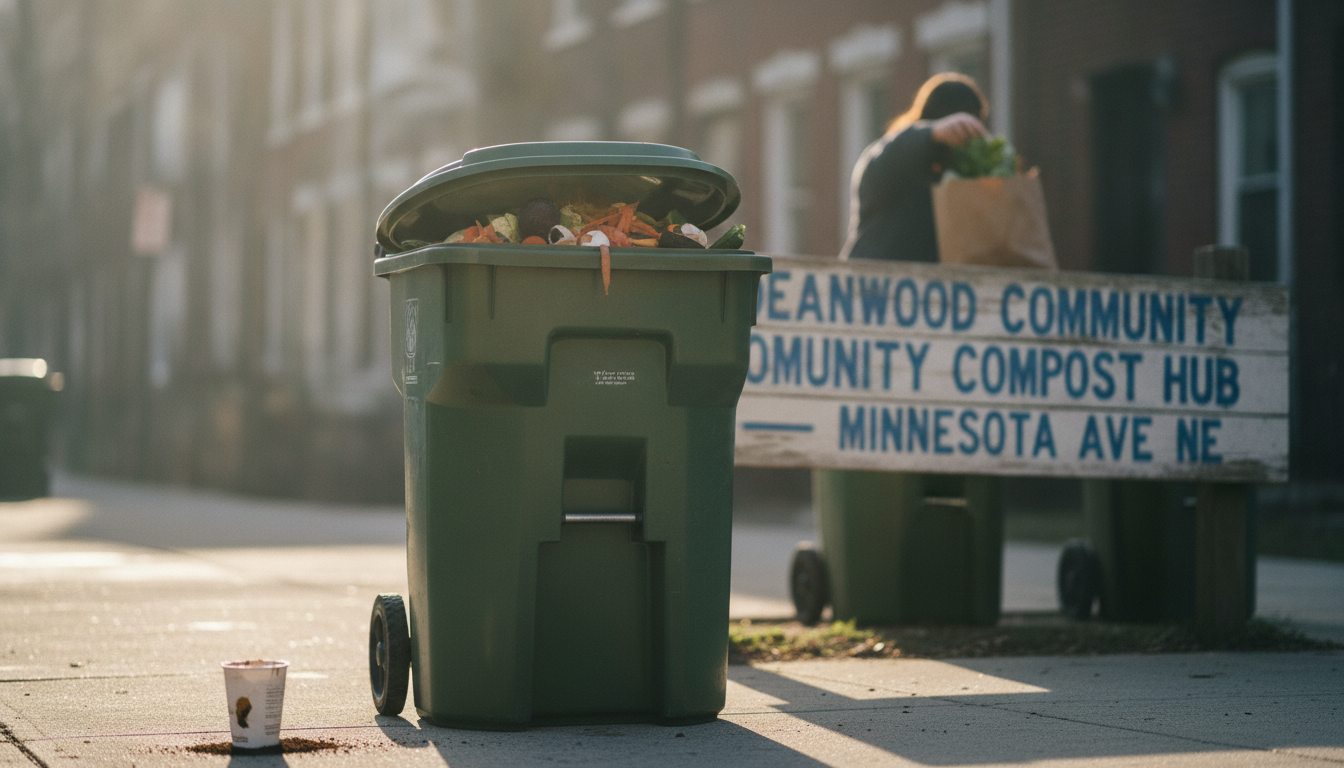
At its core, composting is the natural process of recycling organic matter, such as food scraps and yard waste, into a nutrient-rich soil amendment. When organic materials are diverted from landfills and instead undergo controlled decomposition, they break down into a valuable resource rather than rotting in trash bags and attracting pests. This is where its potential as a rat deterrent comes into play. By systematically collecting and composting food waste, D.C. could dramatically reduce the amount of edible material available to rats in residential and commercial trash bins. Think about it: every apple core, every leftover pizza crust, every banana peel that currently ends up in a black trash bag on the curb is a potential meal for a rat. If these items are instead collected in specialized, sealed composting bins, then the rats' main food supply is cut off. This isn't just about making streets cleaner; it's about fundamentally altering the urban ecosystem to make it less hospitable for rodents.Janeese Lewis George's Campaign Pledge and Vision
Mayoral candidate Janeese Lewis George has clearly articulated her commitment to addressing D.C.'s rat epidemic through a strategic expansion of the city's composting efforts. Her campaign pledge signals a shift towards a more preventative and ecologically sound approach to urban pest management. While the specifics of her plan would unfold post-election, the very nature of "expanding composting" suggests several key areas of focus. This could mean a significant increase in curbside composting collection, moving beyond pilot programs to a city-wide service that makes it easy for every household to participate. It might also involve establishing more accessible community drop-off sites, strategically located in neighborhoods to ensure widespread participation. Educational campaigns would likely be a crucial component, teaching residents what can and cannot be composted, and demonstrating the direct link between their participation and a reduction in rat sightings. Furthermore, supporting local businesses and institutions in implementing their own large-scale composting programs could amplify the impact across the city. This pledge isn't just about trash; it's about a vision for a cleaner, healthier, and more sustainable Washington, D.C. It positions waste management not merely as a necessary service, but as a tool for public health improvement and environmental stewardship. For Lewis George, tackling the rat problem isn't just about extermination; it’s about reimagining the city's relationship with its waste, transforming a common urban blight into an opportunity for ecological advancement. This holistic approach resonates with zero-waste advocates who see composting as a critical step towards a more sustainable urban future.Implications for D.C. Residents
For Washington, D.C., residents, the promise of an expanded composting program, particularly one aimed at curbing the rat population, holds significant implications for daily life. Imagine neighborhoods where overflowing trash bins are less common, where the unsightly and unhealthy presence of rats is noticeably diminished, and where streets feel genuinely cleaner. This isn't just about aesthetics; it's about improving public health, reducing property damage, and enhancing the overall quality of urban living. Implementing such a program would require active participation from residents. While it might mean a slight adjustment to household routines—separating food scraps, utilizing new collection bins—the long-term benefits could far outweigh these initial efforts. An effective city-wide composting program would represent a tangible step towards a more sustainable D.C., fostering a sense of collective responsibility for the city's environmental health. It would also signal a proactive shift in the city's approach to waste management, moving from a reactive disposal model to one that emphasizes resource recovery and ecological balance. This initiative, if implemented, would mark a significant investment in the city's infrastructure and public services, impacting every ward and every community. It’s a policy that touches on environmentalism, public health, and urban planning, all with the goal of making D.C. a more pleasant and habitable place for its human residents. As the city looks towards new leadership, the conversation around sustainable waste management and its direct impact on urban challenges like the rat problem is gaining traction. Janeese Lewis George's campaign pledge highlights a growing understanding that complex urban issues often require integrated, innovative solutions. D.C. residents will be watching closely to see how this vision might translate into concrete action, and what it could mean for the future of their neighborhoods.📍 Local Resources
Manages waste collection, recycling, and sanitation services for District residents. Information on current composting programs and waste management.
Provides information and services related to pest control, including rat abatement programs and public health guidelines.
Official portal for the Mayor's office, providing updates on city initiatives, policy changes, and community engagement opportunities.
Explore more on this topic
Related Stories
Northern Virginia Juvenile Detention Center Hosts Heartfelt Thanksgiving Family Reunion
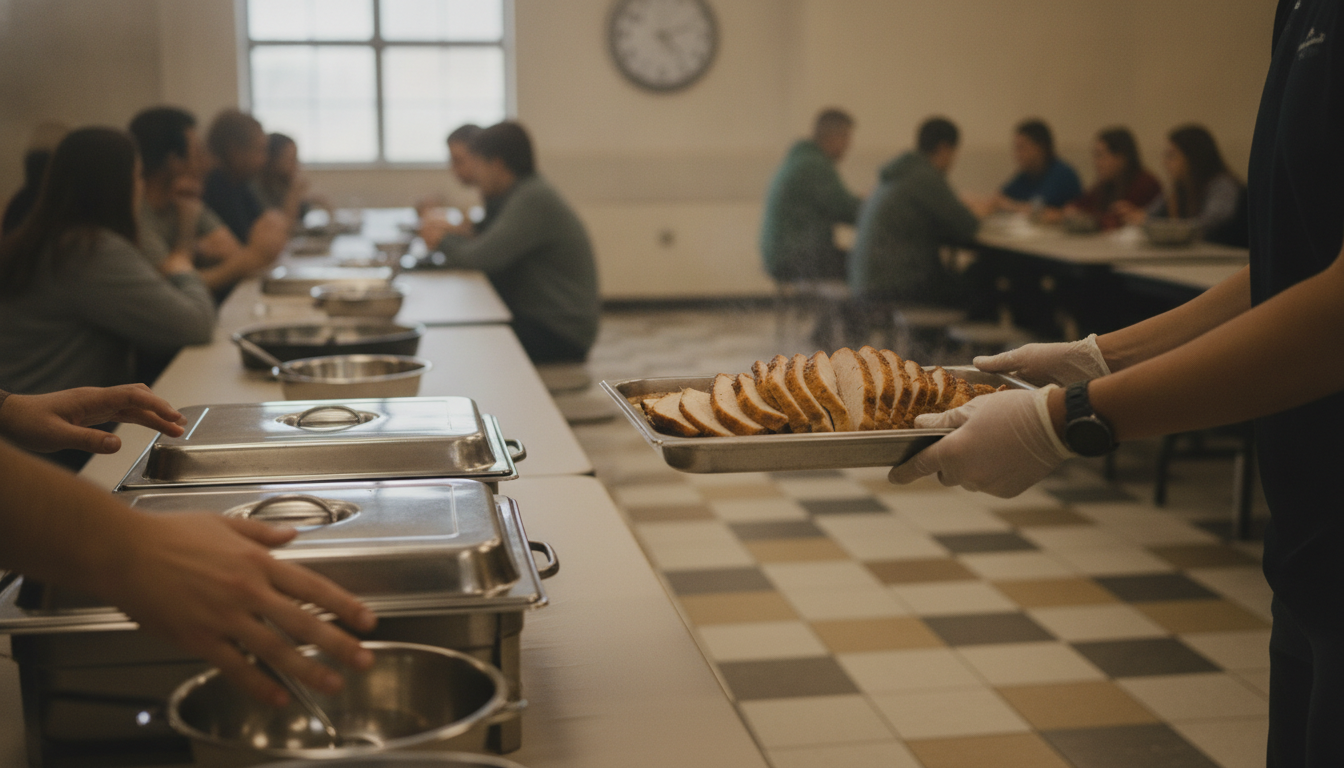
Families reunited over a special Thanksgiving meal at the Northern Virginia Juvenile Detention Center, an event staff say is crucial for helping young residents on their path to recovery.
A "Shocked" White Whale Surfaces in Lanier Heights, Sparking Community Delight
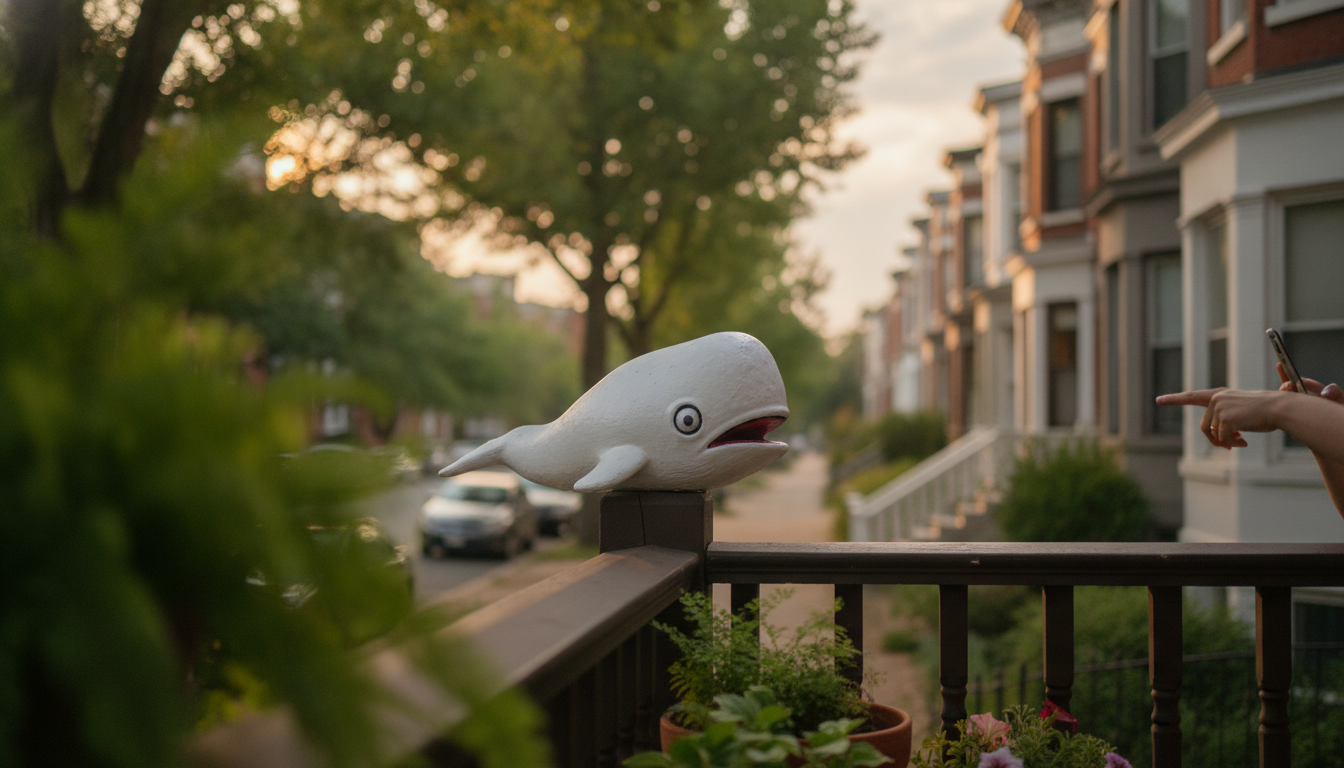
A "shocked" white whale decoration has appeared in Lanier Heights, becoming the latest whimsical sighting shared by the "Friends of the White Whale Society," a community initiative celebrating quirky local art.

October 2026 Housing Sales Data Released for Washington, DC Homes and Condos
New data detailing October 2026 house and condo sales across Washington, D.C., has been released, offering a crucial look into the capital's dynamic real estate market. Compiled by local realtor Kevin Wood for PoPville, these figures provide valuable insights for homebuyers, sellers, and residents tracking property trends in their neighborhoods.