Arts
Howard County
DC Man Handed Nearly Five-Year Sentence for Apartment Arson in the District
Share this article
Advertisement
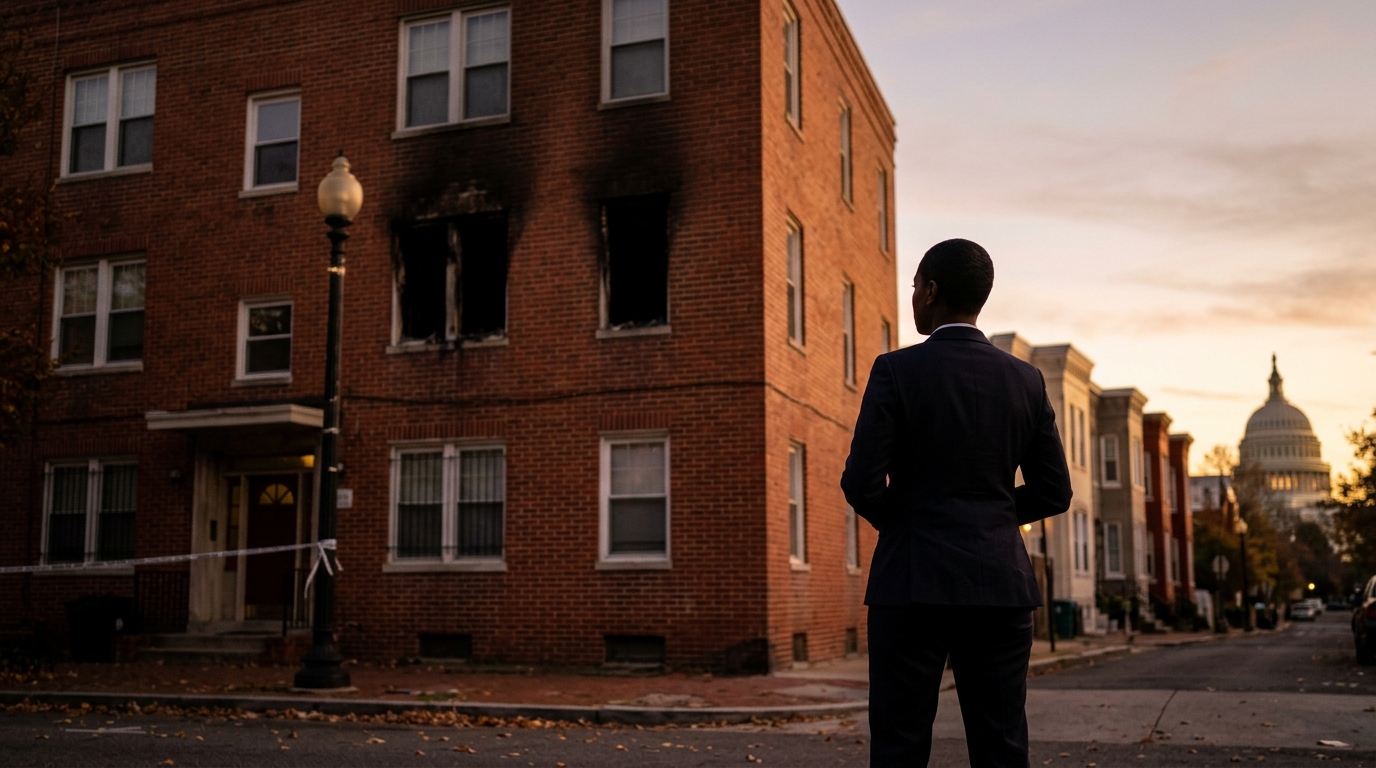
A chill runs through any community when the safety of home is threatened, and few acts strike as deeply as arson. In Washington, D.C., a man recently faced the consequences of such a destructive act, receiving a sentence of nearly five years in prison for setting an apartment building ablaze. This sentencing underscores the serious nature with which the District's justice system views crimes that endanger residents and destabilize communities across the city. The judicial process culminated in a D.C. court, where the unnamed individual was held accountable for the deliberate act of setting fire to residential property. While specific details of the incident remain limited in initial reports, the sentence itself — a significant term of imprisonment — reflects the severe risk posed by such actions to both human life and property within the nation's capital. Residents in all corners of Washington, from bustling U Street to the quieter blocks of Capitol Hill, understand the immediate and lasting fear that a deliberately set fire can inflict.
The Grave Consequences of Arson in D.C.
Arson isn't just about property damage; it's a crime that carries the potential for catastrophic loss of life and widespread community disruption. Under District of Columbia law, arson is treated as an extremely serious felony, with penalties designed to reflect the inherent dangers involved. When someone intentionally sets fire to a building, especially a residential one like an apartment complex, they are directly jeopardizing every person inside, as well as the firefighters and first responders who rush to the scene. The U.S. Attorney's Office for the District of Columbia frequently prosecutes such cases, emphasizing public safety in their efforts. The nearly five-year sentence handed down in this D.C. case falls within the range of penalties for felony arson, which can include substantial prison time and hefty fines. The specific circumstances of the fire, including whether anyone was injured, the extent of the damage, and any prior criminal history of the defendant, would all factor into the judge's sentencing decision. Such a sentence serves not only as punishment for the individual but also as a clear deterrent to others who might consider similar destructive acts. It sends a message that the District will not tolerate actions that put its residents at such profound risk.Navigating the D.C. Judicial System
For a case like this to reach the sentencing phase, it involves a rigorous journey through the D.C. judicial system. Typically, an investigation would begin with the D.C. Fire and EMS Department's Fire Investigation Unit working alongside the Metropolitan Police Department (MPD). Their collective expertise is crucial in determining the origin and cause of a fire, especially when arson is suspected. Evidence collection, witness interviews, and forensic analysis are all part of building a solid case. Once investigators determine a fire was intentionally set and identify a suspect, charges are filed, and the case moves to the D.C. Superior Court. Prosecutors from the U.S. Attorney's Office then present their evidence, often leading to a grand jury indictment. The defendant has the right to a trial by jury, or they may choose to enter a plea agreement. In cases involving serious felonies like arson, plea negotiations are common, but the severity of the crime often dictates that a significant prison sentence will be part of any agreement. The judge, after considering all factors and arguments from both the prosecution and defense, ultimately determines the sentence, aiming to balance punishment, deterrence, and rehabilitation.A sentence of nearly five years for apartment arson highlights the severe consequences for crimes that endanger D.C. residents and property.
The Ripple Effect on D.C. Communities
An apartment fire, particularly one deliberately set, creates a devastating ripple effect far beyond the immediate damage. For residents of the affected building, it means sudden displacement, the loss of cherished possessions, and the trauma of escaping a dangerous situation. Many families might find themselves without a home, scrambling for temporary shelter and facing immense financial and emotional burdens. The sense of security that comes with having a safe place to live is shattered, and rebuilding lives can take months or even years. Beyond those directly impacted, the entire neighborhood can feel the shockwaves. Property values might be affected, and a general sense of unease can settle in. The crime also places a significant strain on public resources, from the initial emergency response by D.C. Fire and EMS and MPD to the social services needed to assist displaced residents. This sentencing, therefore, isn't just about one individual; it's about reaffirming the District's commitment to protecting its collective well-being and ensuring that those who threaten it are held accountable.What This Means for Washingtonians
This sentencing serves as a stark reminder of the potential dangers that can arise within urban environments and the critical importance of swift and decisive justice. For Washington, D.C. residents, it reinforces the message that crimes threatening the safety and stability of their homes will be met with serious legal repercussions. It also highlights the tireless work of the District's emergency services and judicial system in bringing such cases to a resolution. Moving forward, this case underscores the ongoing need for vigilance in fire safety and community awareness. Residents are encouraged to report suspicious activity to authorities and to be familiar with fire escape plans and safety protocols in their own buildings. The District continues its efforts to ensure that its communities remain safe, and this sentencing is a testament to the fact that those who seek to undermine that safety will face justice. Keep an eye on local D.C. court updates for more details on similar cases and ongoing efforts to uphold public safety.📍 Local Resources
DC Victim Services
Provides comprehensive services, advocacy, and support to victims of crime in the District of Columbia.
📞 Phone: (202) 727-0111
🌐 Website: ovsjg.dc.gov/page/dc-victim-services
📍 Location: Frank D. Reeves Center, 2000 14th St NW, Washington, DC 20009
🕐 Hours: Mon-Fri 9am-5pm
DC Fire and EMS Department
Offers fire safety information, prevention tips, and emergency services for residents across the District.
📞 Phone: (202) 727-1000 (Non-emergency)
🌐 Website: fems.dc.gov
📍 Location: 2000 14th Street NW, Washington, DC 20009
🕐 Hours: 24/7 (Emergency: 911)
DC Department of Housing and Community Development (DHCD)
Provides resources and programs for housing assistance, including emergency housing support for displaced residents.
📞 Phone: (202) 442-7200
🌐 Website: dhcd.dc.gov
📍 Location: 1800 Martin Luther King Jr Ave SE, Washington, DC 20020
🕐 Hours: Mon-Fri 8:15am-4:45pm
Advertisement