Courts
Howard County
DC Judge Questions Jail's Suicide Watch Placement for White House Correspondents' Dinner Attack Suspect
Share this article
Advertisement
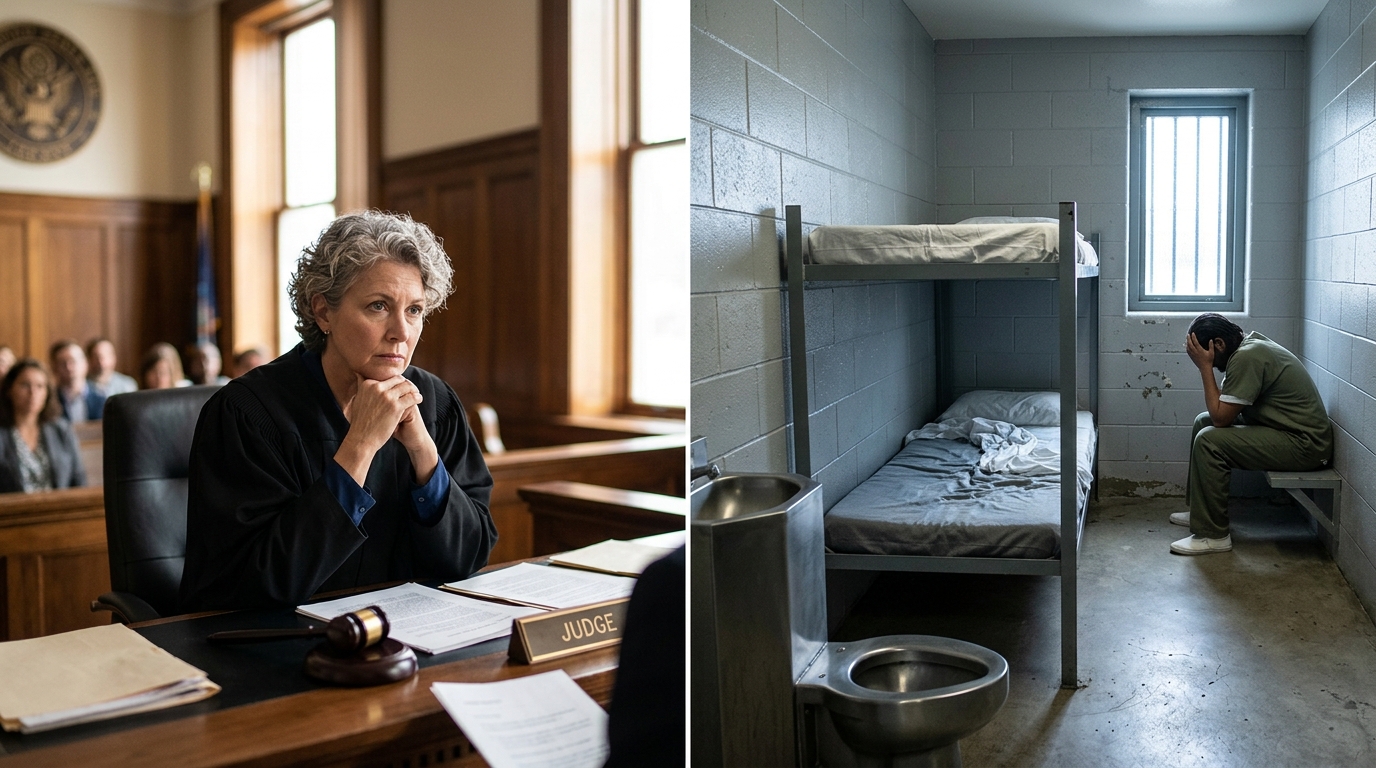
A critical question hangs over the District's correctional system after a judge recently challenged why a suspect, implicated in an attack during the White House Correspondents' Dinner, was placed on suicide watch at the local jail. This judicial inquiry casts a spotlight on inmate welfare protocols and the oversight of correctional facilities right here in the nation's capital. The judge's pointed question, reported recently, centers on the timing and rationale behind the decision to put the individual—who stands accused in connection with the high-profile White House Correspondents' Dinner incident—under suicide watch. Such an inquiry from the bench signals a keen interest in the procedures and justifications employed by the DC Central Detention Facility, often referred to as the DC Jail, when managing the mental health and safety of its inmates [1].
This development underscores the ongoing conversation about mental health care within correctional facilities and the critical role of judicial oversight. DMV residents should stay tuned for further updates as the court seeks clarity on this matter, potentially shaping future policies for inmate care in the District.
Judicial Scrutiny on Inmate Welfare
When a judge steps in to question the operational decisions of a correctional facility, it's a significant moment. It underscores the judiciary's role not just in sentencing and trials, but also in ensuring that individuals within the justice system are treated humanely and according to established protocols. For the District of Columbia, where the DC Superior Court presides over a vast array of cases, judicial oversight of the Department of Corrections is a vital check and balance.A judge's inquiry into a jail's suicide watch placement highlights the critical need for transparency and accountability in correctional facilities, particularly in high-profile cases.
Placing an inmate on suicide watch is a serious measure, typically initiated when there's a perceived risk of self-harm. This can stem from a variety of factors, including mental health evaluations, observed behaviors, or even the nature of the charges and the stress of incarceration. Facilities like the DC Jail are expected to have clear, well-documented procedures for assessing and managing such risks, ensuring that inmates receive appropriate care while also maintaining security. The judge's question about "why" and, implicitly, "when" this decision was made suggests a desire to understand if these protocols were followed diligently and appropriately in this specific case. The Context of a High-Profile Case
The individual at the heart of this judicial questioning is a suspect in an "attack" related to the White House Correspondents' Dinner. While the specifics of that incident weren't detailed in the recent report, the annual dinner is a marquee event in Washington, D.C., drawing national attention and prominent figures. Any incident associated with it, and certainly any subsequent legal proceedings, naturally garner significant public and media scrutiny. This high-profile context likely adds another layer of importance to the judge's inquiry, as the treatment of such a suspect within the correctional system becomes a matter of public interest and judicial transparency. The DC Department of Corrections operates the city's jail facilities, tasked with the secure and humane detention of individuals awaiting trial or serving short sentences. Their policies regarding inmate mental health and suicide prevention are critical components of their mission. Residents can learn more about the department's operations and commitment to inmate well-being by visiting the DC Department of Corrections official website.What This Means for Local Accountability
This judicial query serves as an important reminder of the ongoing need for accountability within the District's justice system. It highlights that even after an individual is in custody, their rights and welfare remain subject to oversight. For DMV residents, especially those concerned with criminal justice reform and mental health support, this development signals that the courts are actively engaged in monitoring the conditions and care provided in local correctional facilities. The outcome of the judge's inquiry, and any potential responses or explanations from the DC Jail, could have implications for how inmate welfare is managed going forward. It reinforces the principle that correctional facilities must be prepared to justify their actions and demonstrate adherence to established standards of care, particularly when dealing with the complex challenges of mental health in custody. For those navigating the complexities of the justice system or seeking mental health support for themselves or loved ones, resources are available.📍 Local Resources
DC Department of Behavioral Health (DBH)
Provides mental health and substance use services to residents of Washington, D.C.
📞 Phone: (202) 673-9300
🌐 Website: dbh.dc.gov
📍 Location: 1300 First Street NE, Washington, DC 20002
🕐 Hours: Mon-Fri 8:15am-4:45pm (Emergency services 24/7)
DC Crisis and Emergency Services
24/7 mental health crisis line for D.C. residents needing immediate support.
📞 Phone: (202) 673-6495
🌐 Website: dbh.dc.gov/crisis-services
📍 Location: N/A (phone/mobile crisis)
🕐 Hours: 24/7
National Alliance on Mental Illness (NAMI) DC
Offers support, education, and advocacy for individuals and families affected by mental illness in D.C.
📞 Phone: (202) 546-0485
🌐 Website: namidc.org
📍 Location: N/A (various programs and meetings)
🕐 Hours: Varies by program
Advertisement