Courts
DC Judge Extends Block on Trump Memorial Arch, Halting Plans for Two More Weeks
Share this article
Advertisement
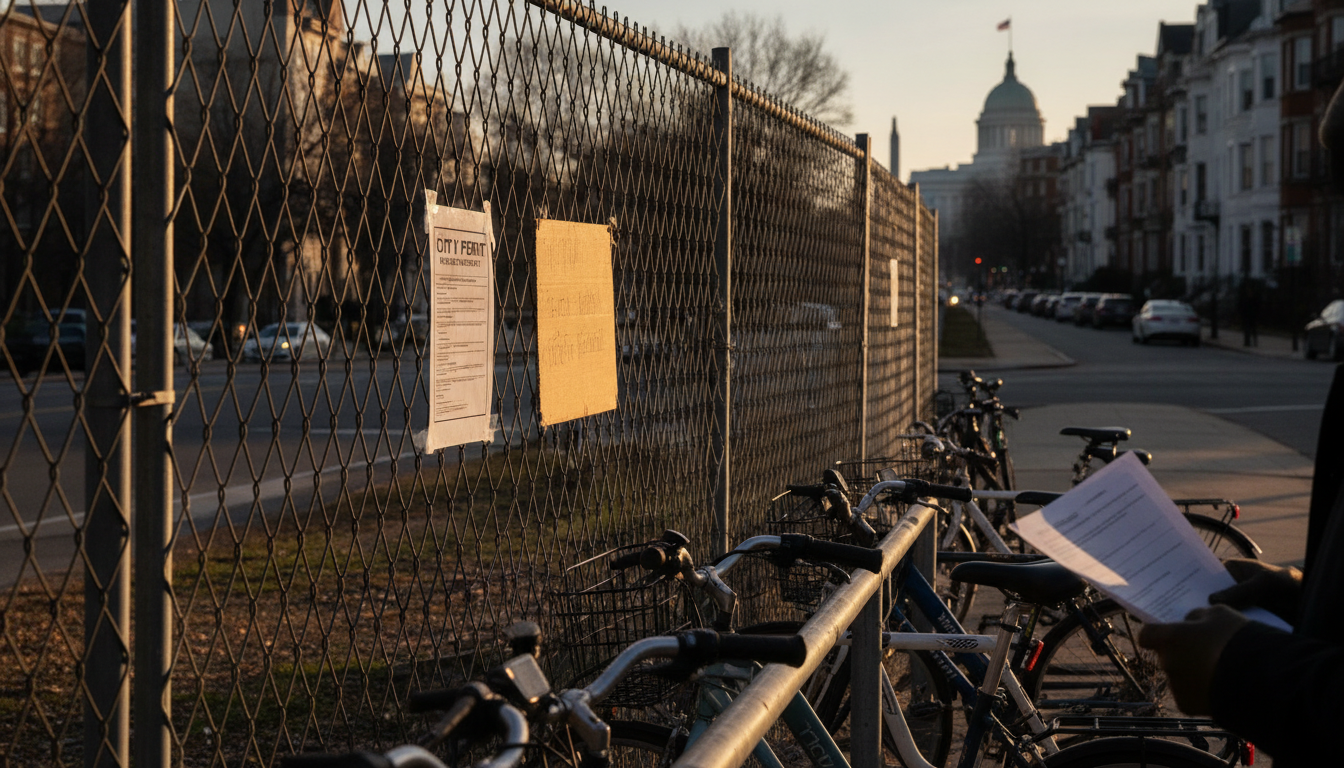
The monumental landscape of Washington, D.C., is a meticulously curated tapestry, where every new addition undergoes rigorous scrutiny. From iconic statues to grand memorials, each proposed structure navigates a labyrinth of federal agencies, local concerns, and often, legal challenges. It's against this backdrop that a federal judge has once again stepped in, issuing a 14-day extension of an order that temporarily blocks the construction of a proposed memorial arch tied to former President Donald Trump [1]. This latest judicial action means the proposed arch, intended for the nation's capital, remains in a holding pattern for at least two more weeks. The extension underscores the complex and often contentious nature of developing new public spaces and structures in a city rich with history and federal oversight. For residents and visitors alike, it signals a continued period of uncertainty regarding a project that could significantly alter a piece of the city's public realm.
Understanding the Temporary Halt
A 14-day extension of a court order, often referred to as a temporary restraining order or preliminary injunction, isn't a final judgment on the merits of the memorial arch itself. Instead, it’s a procedural move by the court, granting additional time before a more definitive decision is made. This period typically allows parties involved in the legal dispute to gather more evidence, prepare further arguments, or even engage in negotiations outside of court. It can also give the judge more time to consider complex legal questions before issuing a more substantial ruling. Essentially, the brakes are still on, but the vehicle hasn't been put in park permanently. The initial order, which preceded this extension, would have already halted any preparatory work or construction. Now, with the extended block, proponents of the arch can't move forward, and opponents gain additional time to press their case. These temporary measures are common in litigation involving significant public projects, where immediate action could cause irreparable harm before the full legal process can unfold.The Labyrinth of DC Monument Approvals
Erecting any substantial structure in Washington, D.C., especially one designated as a "memorial," is far from a simple task. The process is governed by a patchwork of federal and local regulations designed to protect the capital's unique character, sightlines, and historical integrity. Key players in this intricate dance include federal entities like the National Capital Planning Commission (NCPC) and the U.S. Commission of Fine Arts (CFA). The NCPC, for example, is the central planning agency for the federal government in the National Capital Region, responsible for comprehensive planning and reviewing projects that impact federal land and buildings. The CFA, on the other hand, advises on matters of design and aesthetics, ensuring that new structures are harmonious with the city's existing monumental and artistic landscape. Depending on the proposed location, other federal agencies, such as the National Park Service, which manages vast swaths of federal land and many existing memorials, might also have significant input or even direct oversight. Any proposal for a new memorial must typically navigate these bodies, undergoing multiple rounds of review, public hearings, and design modifications. This extensive process is intended to ensure that any addition to the capital's public space reflects careful consideration of historical significance, urban planning principles, and community impact.What a "Memorial Arch" Means for the Capital
Arches have a long and storied history as symbols of triumph, commemoration, and remembrance, from ancient Roman structures to Paris's Arc de Triomphe. In Washington, D.C., a city already replete with iconic monuments, a new memorial arch would instantly become a prominent feature, drawing attention and becoming a point of public discourse. Its design, scale, and placement would inevitably spark conversations about its artistic merit, historical appropriateness, and overall fit within the city's carefully planned urban fabric. The concept of a "memorial arch" tied to a former president, particularly one as polarizing as Donald Trump, adds another layer of complexity. Such a structure isn't just a piece of architecture; it's a statement, a reflection of historical memory, and a potential focal point for ongoing political and cultural debates. The proposed arch's eventual fate will likely be seen as a bellwether for how the city balances historical preservation with contemporary desires for new public art and commemoration.Implications for DC Residents and Public Space
For the nearly 700,000 residents of Washington, D.C., the fate of any new monument or structure on public land directly impacts their daily lives. Public spaces in the capital are not just tourist attractions; they are parks, gathering places, and pathways that locals use every day. The addition of a significant new structure like a memorial arch could affect traffic patterns, alter pedestrian routes, and change the visual aesthetics of neighborhoods. Furthermore, these public spaces are often the backdrop for protests, celebrations, and community events. Any new monument becomes part of the shared civic experience, influencing how residents interact with their city and perceive its evolving identity. The debates surrounding such projects often highlight differing visions for the city's future and the role of public art in shaping its narrative. Ensuring proper process and public input is crucial for maintaining trust and reflecting the diverse voices within the community.The decision to extend the block on the proposed arch ensures that no immediate construction can begin, keeping the future of this potential monument in limbo for the foreseeable future.
What Comes Next for the Proposed Arch?
With the 14-day extension now in effect, all eyes will be on the federal courthouse in D.C. for the next development. Several outcomes are possible. The judge could issue another extension if more time is deemed necessary for legal proceedings or for the parties to reach an agreement. Alternatively, the court could lift the temporary order, allowing the project to proceed, though this often comes after extensive legal arguments. The most significant potential outcome is a more permanent injunction, which would effectively block the arch's construction indefinitely, pending further appeals. The legal arguments likely revolve around whether proper procedures were followed in the arch's approval process, potential environmental impacts, or challenges to the authority of those proposing or permitting the structure. As the clock ticks on this extended order, the future of the proposed memorial arch remains squarely in the hands of the D.C. judicial system. Residents and stakeholders will be watching closely to see whether this temporary pause will lead to a permanent halt or a green light for construction.Advertisement
Explore more on this topic
Related Stories
Courts
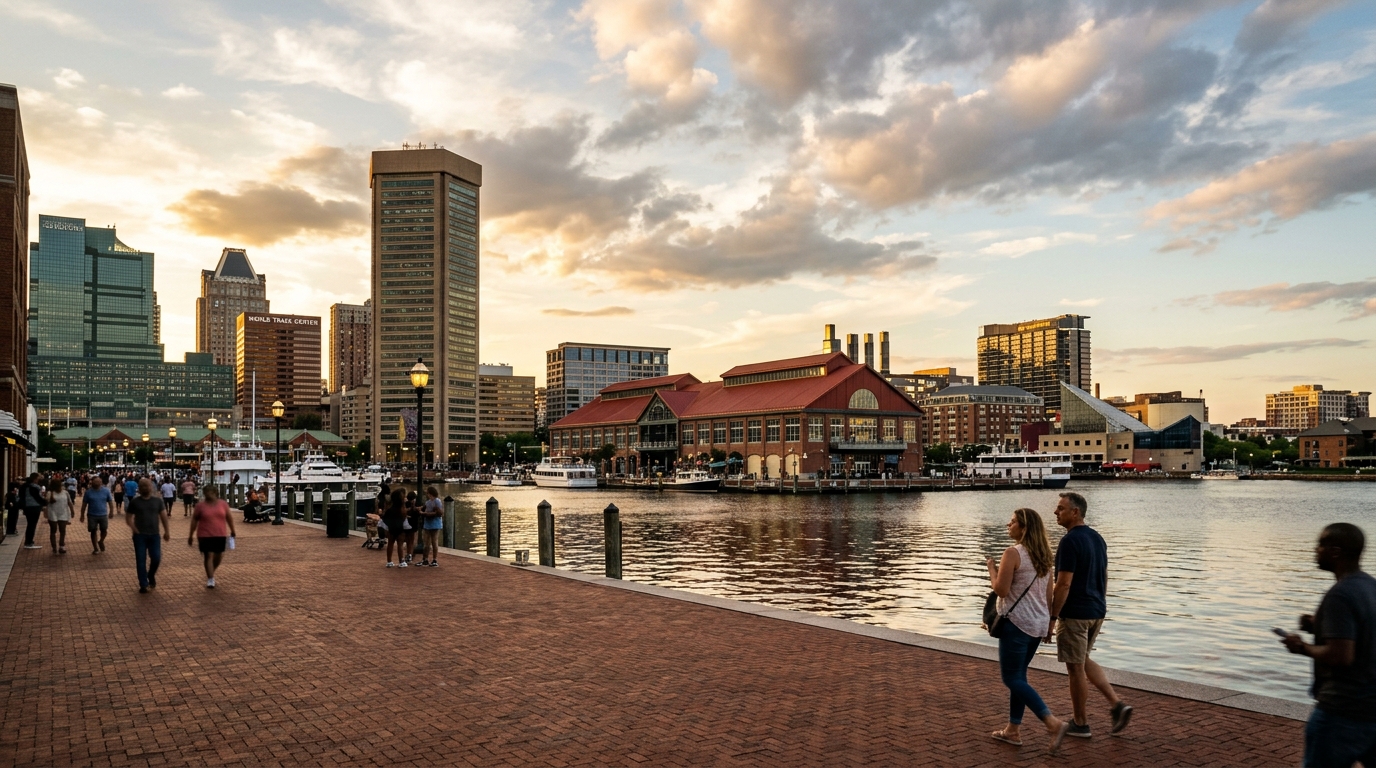
Baltimore Seeks Dismissal in Ongoing Harborplace Lawsuit
Courts
Baltimore City has asked a court to dismiss a lawsuit challenging the future of its iconic Harborplace development, a move that could significantly impact the long-awaited revitalization efforts for the downtown waterfront.
17 days ago5 min read
Courts
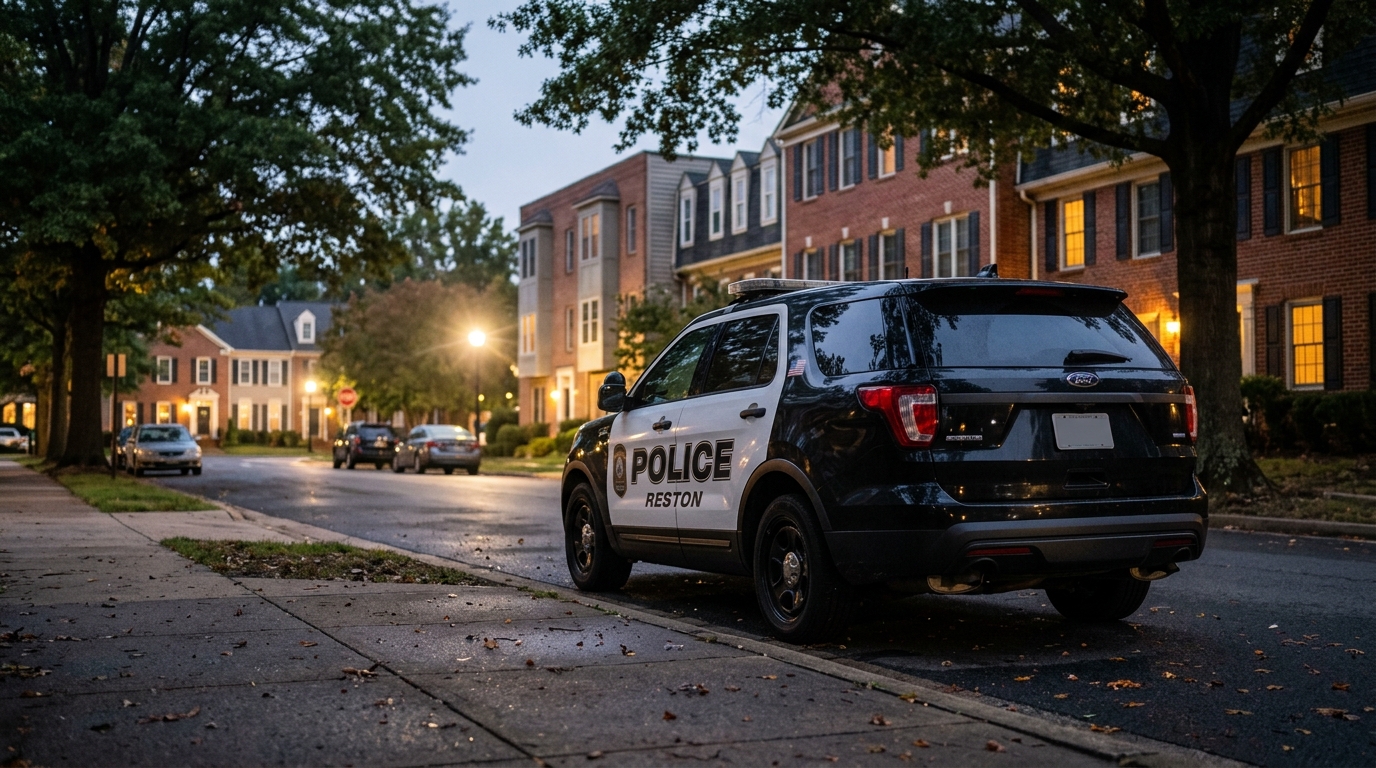
Reston Man Faces Murder Trial After Allegedly Fatally Shooting Roommate Hours Post-Release
Fairfax County·Courts
A Reston man is headed to trial for allegedly murdering his roommate just hours after being released from Fairfax County Sheriff's custody, prompting community concern.
19 days ago5 min read
Courts
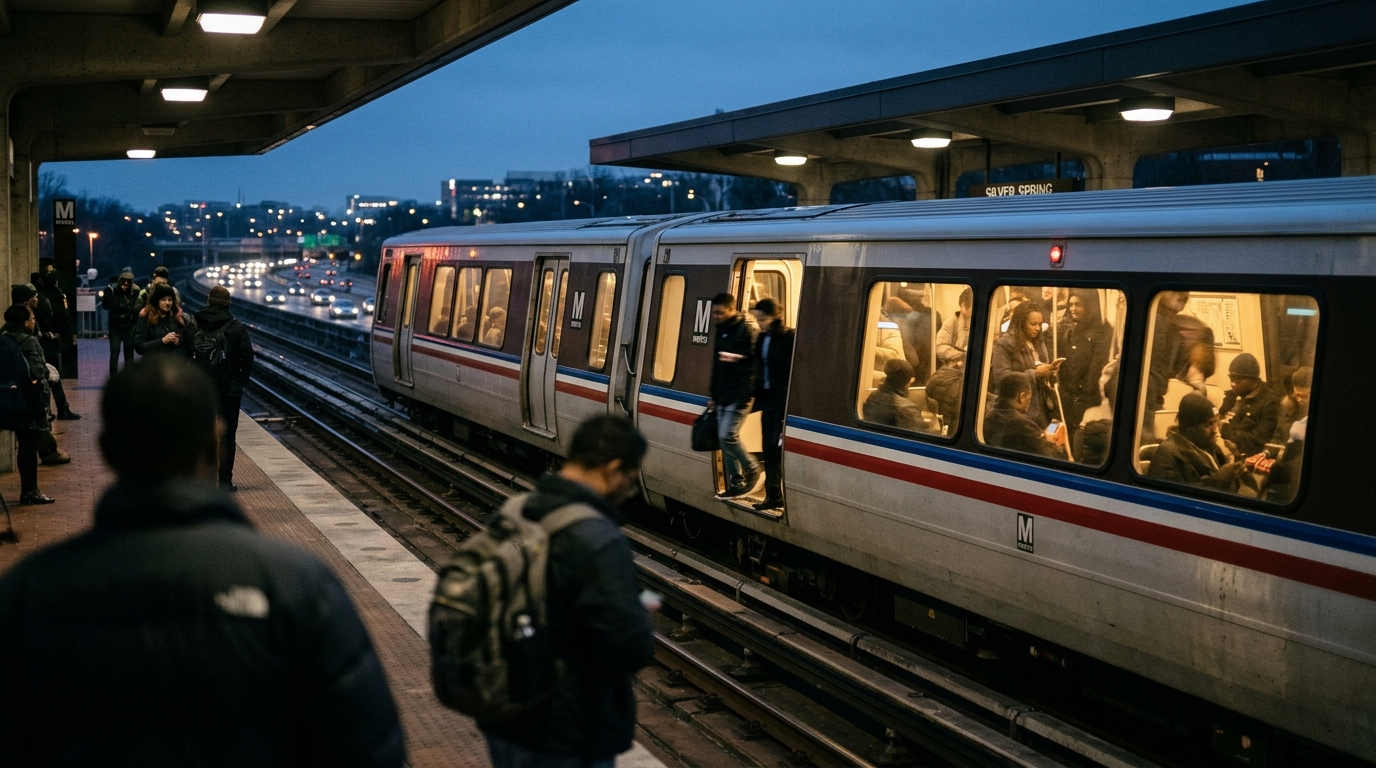
Bhatt Murder Trial: Prosecution Expected to Conclude Its Case in DMV Court
Courts
The prosecution in the Bhatt murder trial is reportedly expected to rest its case, marking a significant development as the DMV court proceedings transition to the defense's presentation.
19 days ago4 min read