D.C. Immigrant Crime Victims Face Visa Roadblocks Amid Policy Shift, Complicating Investigations
Share this article
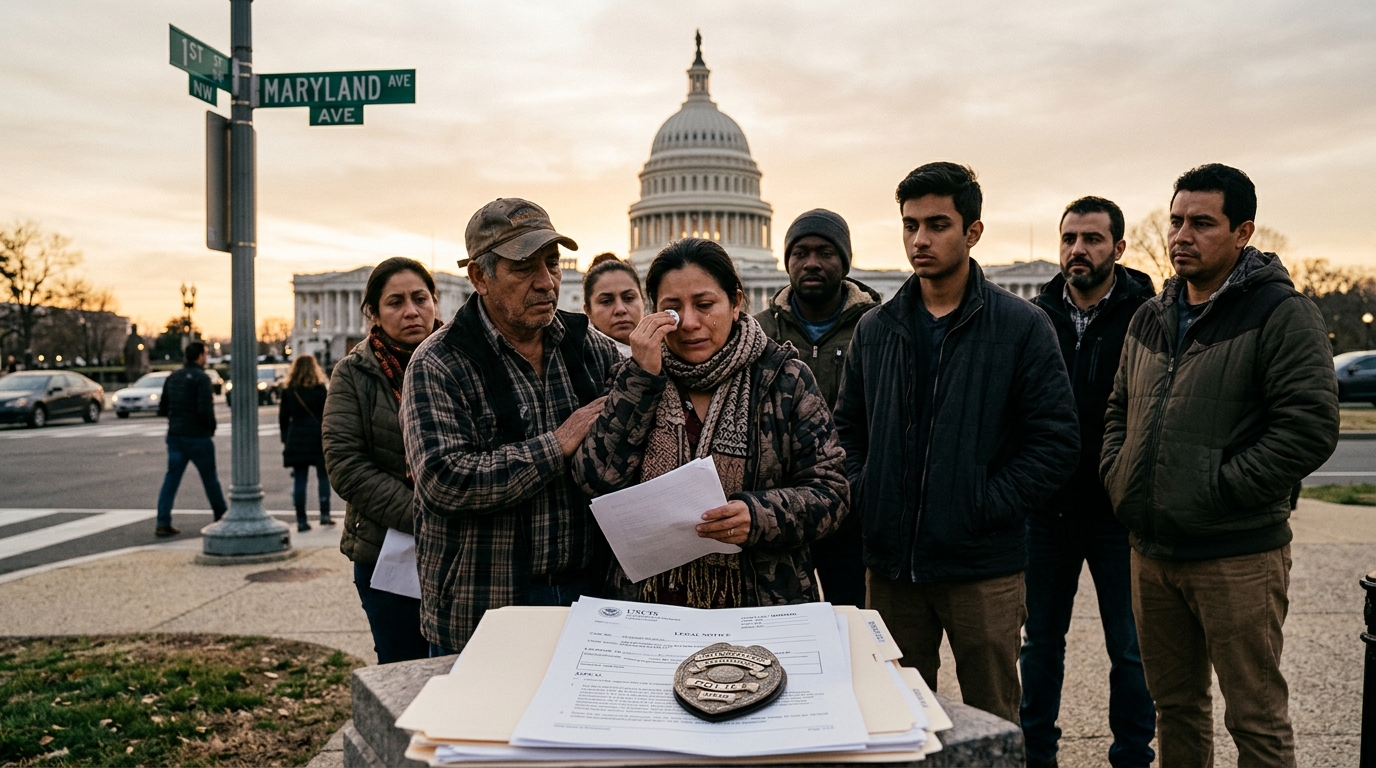
WASHINGTON, D.C. – Immigrant crime victims in the nation's capital are encountering significant hurdles in obtaining U-visas, a critical form of protection, following a policy change by the U.S. Attorney's Office for the District of Columbia last year. This shift, occurring amidst a reported increase in federal immigration enforcement activities, has created a chilling effect, potentially jeopardizing both victim safety and the integrity of local criminal investigations.
The U.S. Attorney's Office in D.C. ceased issuing U-visa certifications in 2025 to crime victims who cooperated with law enforcement or prosecutors, according to The Washington Post[1]. This abrupt change departs from a long-standing practice designed to encourage victims of serious crimes to assist police without fear of deportation.
Understanding the U-Visa's Purpose
The U nonimmigrant status, commonly known as the U-visa, was established by Congress to protect victims of certain serious crimes who have suffered substantial mental or physical abuse and are willing to assist law enforcement in the investigation or prosecution of criminal activity. These crimes include domestic violence, sexual assault, human trafficking, and other violent offenses. The visa provides temporary legal status and work authorization in the United States, offering a pathway to permanent residency for eligible individuals. Its core principle is to enhance public safety by ensuring that all victims, regardless of immigration status, feel safe reporting crimes and cooperating with authorities.
The certification from a qualifying law enforcement agency, such as the U.S. Attorney's Office, is a crucial component of the U-visa application process, confirming that the victim has been helpful or is likely to be helpful in an investigation or prosecution. Without this certification, victims cannot apply for the visa through U.S. Citizenship and Immigration Services (USCIS).
Impact on D.C. Investigations and Public Safety
The decision by the U.S. Attorney's Office to halt these certifications has immediate and profound consequences for the District. Law enforcement agencies rely on victim and witness cooperation to solve crimes and ensure justice. When immigrant victims fear that coming forward will not only fail to protect them but could also expose them to immigration enforcement, their willingness to report crimes plummets. This reluctance makes it significantly harder for police to gather evidence, identify suspects, and build strong cases, ultimately complicating investigations across the city.
Experts and advocates in the DMV region have long emphasized the importance of U-visas as a tool for public safety. "When victims are empowered to come forward, our entire community benefits," stated a representative from a local victim advocacy group. "Removing this protection mechanism doesn't just hurt the individual victim; it creates a climate of fear that allows criminals to operate with impunity, impacting all residents."
Broader Context: Increased ICE Activity
The policy change in D.C. coincides with reports of ramped-up Immigration and Customs Enforcement (ICE) activities in the area. This increased federal presence can exacerbate the fears of immigrant communities, making the withdrawal of U-visa certifications particularly detrimental. The dual pressure of heightened enforcement and reduced protections creates an environment where immigrant victims are less likely to seek help, potentially leading to underreported crimes and a breakdown of trust between these communities and local authorities.
The federal government's approach to immigration enforcement and victim protection often involves complex interplay between agencies. For more information on federal immigration policies, residents can visit the USCIS official website. The U.S. Attorney's Office for the District of Columbia operates independently of local D.C. government agencies in many respects, though its decisions have direct local impact. Information on their role can be found on the Department of Justice website.
Looking Ahead for D.C. Residents
The long-term implications of this policy shift are significant. It could lead to a decrease in crime reporting among immigrant populations, making them more vulnerable to exploitation and violence. It also places an additional burden on local D.C. government agencies and non-profit organizations that strive to support all crime victims, regardless of their immigration status. Community leaders and legal aid organizations are working to inform residents of their rights and available resources, urging victims to seek help despite the new challenges.
📍 Local Resources
Provides free legal services to low-income D.C. residents, including assistance with immigration issues, family law, and victims' rights.
Offers legal, social, and language access services to low-income immigrants in the D.C. metropolitan area, including support for U-visa applicants and victims of crime.
Provides free, confidential crisis intervention, emotional support, and referrals to victims of crime in the District of Columbia 24/7.