D.C. Council Mandates Release of Body Camera Footage After Federal Agent Shoots Into Car
Share this article
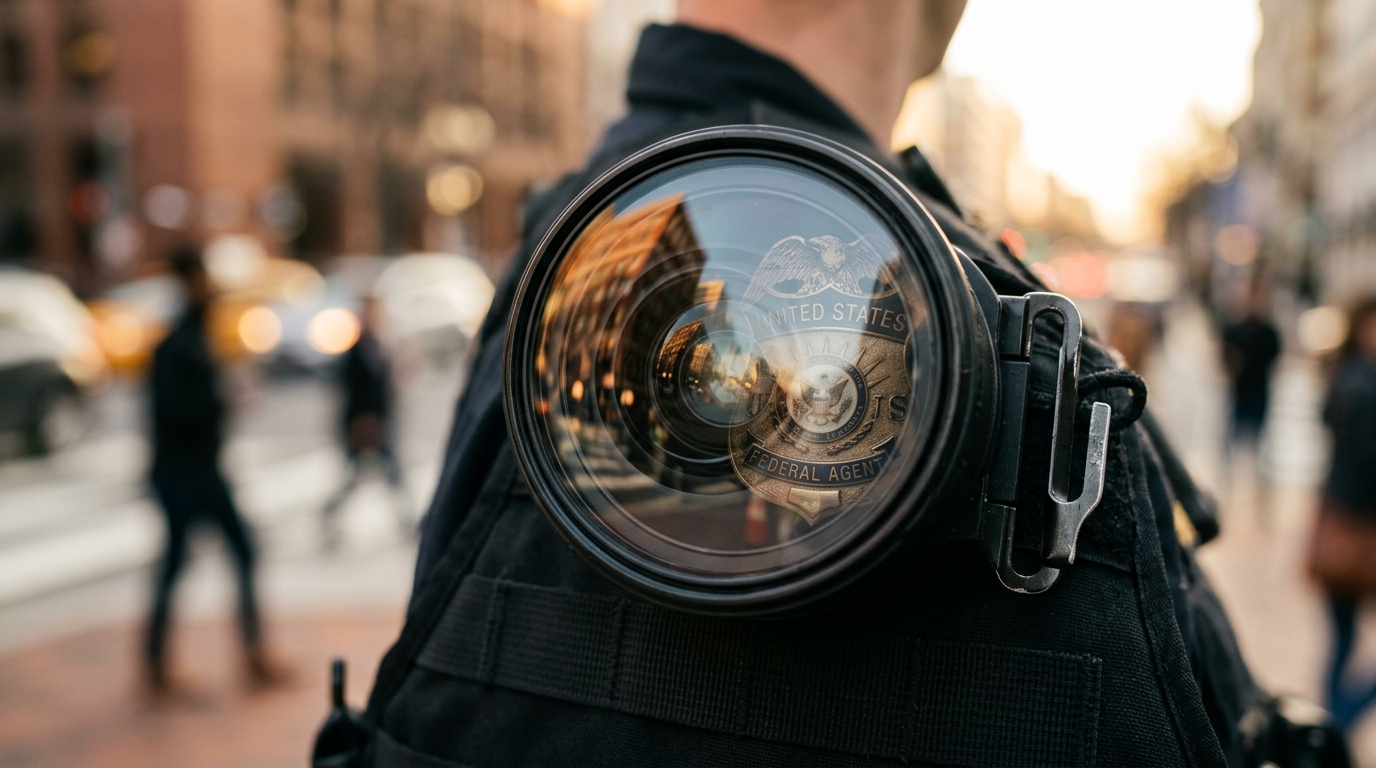
Washington, D.C. residents are gaining a clearer, albeit partial, look into the moments following a federal agent’s shooting into a man’s car within the city, thanks to recently released body camera footage. The disclosure comes after a legislative push from the D.C. Council, underscoring ongoing efforts to enhance transparency and accountability for law enforcement operating within the nation's capital.
The footage, made public this week, captures the immediate aftermath of an incident where a federal agent discharged a weapon into a vehicle. While the recording offers little insight into the shooting itself, its release marks a significant step for those advocating for greater oversight of federal law enforcement agencies that often operate with different reporting requirements than local police departments [1].
Understanding the Incident and Footage Limitations
Details surrounding the initial confrontation remain under investigation, but the core event involves a federal agent firing into a civilian's car on a D.C. street. The body camera video, now available for public review, begins shortly after the shot was fired, documenting the scene as officers respond and secure the area. Viewers will observe the immediate reactions, the presence of various law enforcement personnel, and the initial processing of the scene.
However, a critical aspect of the released material is what it does not show. According to The Washington Post, the footage provides "little of the shooting itself" [1]. This limitation means the public will not see the direct circumstances that led to the agent discharging their weapon, which is often a key point of contention in such investigations. This absence highlights the complexities of body camera deployments and the challenges in capturing every critical moment of an incident.
D.C. Council's Push for Transparency
The release of this body camera footage was not voluntary but a direct result of new D.C. Council legislation. This legislative action reflects a broader movement within the District to assert greater local control and demand transparency from all law enforcement entities operating within its borders, including federal agencies. Historically, federal agents have often been exempt from the same transparency and accountability measures applied to the Metropolitan Police Department (MPD).
The D.C. Council's proactive stance aims to bridge this gap, ensuring that incidents involving federal agents that impact D.C. residents are subject to similar levels of public scrutiny. This legislative framework is crucial for building and maintaining public trust, especially in a city with a significant federal presence and a history of complex interactions between local and federal authorities. For more information on D.C. legislative efforts, residents can visit the D.C. Council's official website.
Implications for D.C. Residents and Law Enforcement
The release of this footage, despite its limitations, carries significant implications. For D.C. residents, it represents a victory for transparency and the right to information regarding incidents involving law enforcement. It reinforces the idea that all officers, regardless of their agency, should be held to a high standard of accountability, particularly when deadly force is used.
For law enforcement agencies, both local and federal, this development signals a shifting landscape where public expectation for transparency is growing. It may prompt federal agencies to re-evaluate their own policies regarding body camera usage and the public release of footage, especially when operating in jurisdictions like D.C. that are actively legislating for greater openness. The incident and subsequent footage release contribute to the ongoing dialogue about police reform, the role of federal agents in local communities, and the balance between security and civil liberties.
As investigations into the shooting continue, the released footage will likely serve as one piece of evidence among many. It provides a starting point for public discussion and further inquiry, pushing for a more comprehensive understanding of the event and its context. The District government continues to work towards ensuring justice and transparency for all its citizens, and resources are available for those seeking information on local law enforcement policies and public safety initiatives through DC.gov.
📍 Local Resources
An independent agency that investigates complaints of misconduct against D.C. Metropolitan Police Department officers and offers mediation services. While this incident involves a federal agent, OPC can often provide guidance on where to direct complaints regarding other agencies.
Works to defend and preserve the individual rights and liberties guaranteed by the Constitution and laws of the United States. Offers resources and legal guidance related to police misconduct and civil rights.
Provides legal representation to indigent adults and children in D.C. criminal and delinquency cases, and can offer advice on legal rights following interactions with law enforcement.