Elections
Howard County
DC Candidates Tackle City's Persistent Rat Problem in Election Focus
Share this article
Advertisement
The persistent skittering of tiny feet and the unwelcome sight of scurrying rodents have become more than just a nuisance in Washington, D.C. neighborhoods; they've clawed their way onto the election agenda. With local elections on the horizon, the city's rat population is proving to be a surprisingly potent political issue, forcing candidates to confront the widespread public frustration and propose tangible solutions for what many are calling "the year of the rat" in D.C. politics. Residents across the District have long grappled with rats, a problem exacerbated by urban density, aging infrastructure, and a constant flow of trash. Now, electoral hopefuls are making it clear that ignoring the issue is no longer an option, as they vie for votes by promising innovative and aggressive strategies to reclaim D.C.'s streets and alleys from these unwelcome tenants.
Rats on the Ballot: A Growing Concern
It’s not just an anecdotal complaint; the rat issue has reached a critical mass, influencing daily life in many parts of the city. From Adams Morgan to Capitol Hill, and from Columbia Heights to Anacostia, residents frequently report sightings, property damage, and public health concerns tied to the burgeoning rodent population. This widespread impact has transformed a common urban challenge into a significant campaign talking point, demonstrating how deeply local issues resonate with voters. Candidates understand that addressing the rat problem isn't just about pest control; it's about quality of life and public trust.D.C. neighborhoods are reportedly "overrun" by rats, making the issue a central focus for candidates in upcoming elections.
The conversation among candidates reflects the urgency of the situation. They're not just offering vague promises but are sharing specific ideas, according to The Washington Post. This suggests a recognition that voters expect more than just lip service when it comes to an issue that literally impacts their doorsteps. The proposals range from novel administrative roles to technological upgrades, all aimed at curbing the rodent tide. Proposed Solutions: From Czars to Smart Bins
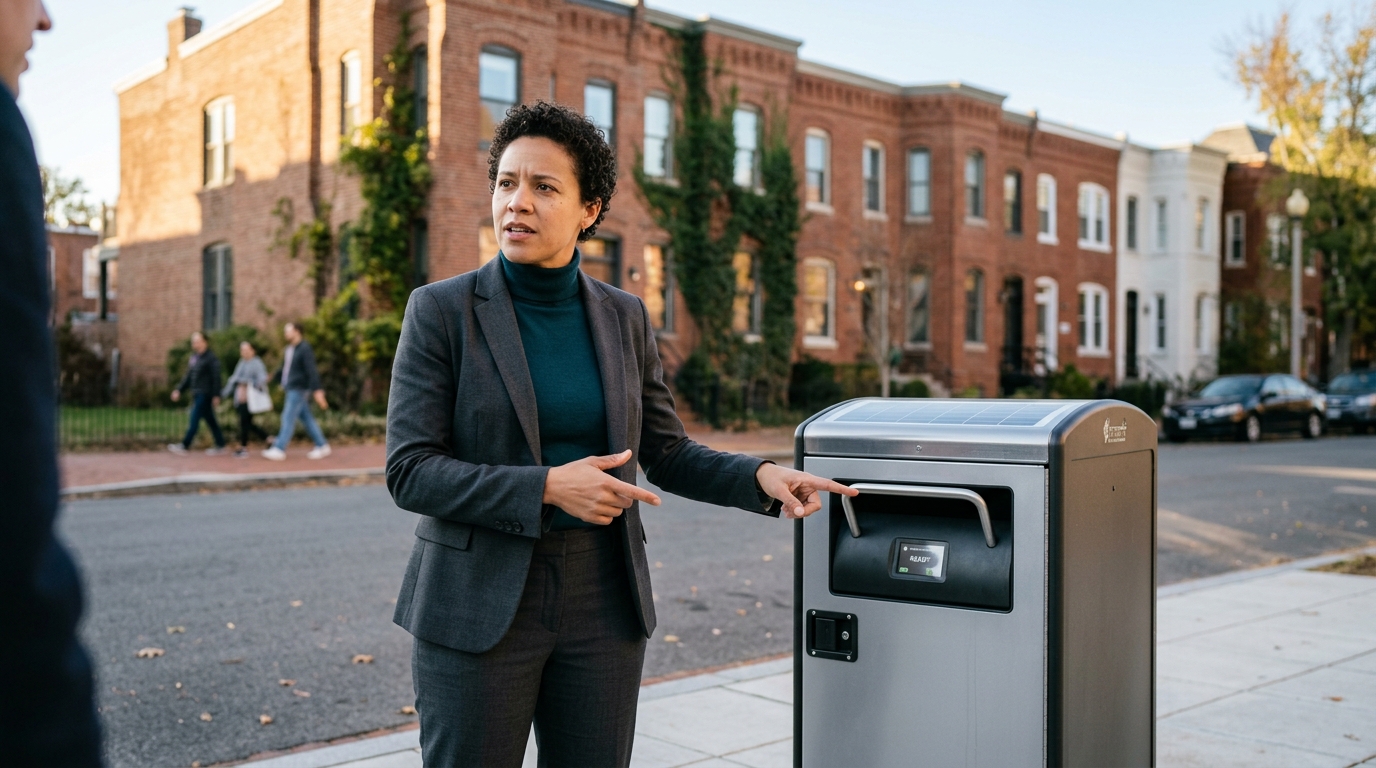
Among the more eye-catching proposals circulating is the idea of appointing a "rat czar." This dedicated position would likely be tasked with centralizing D.C.'s rodent control efforts, coordinating across various city agencies, and implementing a comprehensive, District-wide strategy. Such an official would bring a focused approach to a problem that often falls between the cracks of different departments, from sanitation to public health. The concept signals a desire for a more unified and accountable response to the infestation. Beyond human leadership, technology is also on the table. Candidates are discussing the deployment of "smart trash bins" as a key component of their anti-rat platforms. These advanced bins are designed to be rodent-proof, with sealed compartments and often compacting mechanisms that reduce the volume of waste and deny rats easy access to food sources. Implementing such a system across D.C. would represent a significant investment in public infrastructure, but proponents argue it's a necessary step to cut off the rats' primary food supply. The District's Department of Public Works (DPW) already manages waste collection, and integrating these smarter solutions would require close collaboration with their existing operations to ensure effectiveness and widespread adoption across residential and commercial areas. More information about D.C.'s waste management efforts can be found on the DPW website. Other, less specific "plans" are also being shared by candidates, hinting at a multi-pronged attack. These could include increasing the frequency of trash collection in high-density areas, implementing stricter enforcement of waste disposal regulations for businesses and residents, expanding baiting programs, or even exploring more unconventional pest control methods. The diverse range of ideas underscores the complexity of the problem and the candidates' willingness to consider various avenues for solutions.Why Now? The Intersection of Public Health and Urban Living
The elevation of rat control to a major election issue highlights a broader conversation about urban living and public health in D.C. Rats are not merely a nuisance; they carry diseases, contaminate food, and can cause significant structural damage to buildings. The D.C. Department of Health actively provides information and services related to rodent control, emphasizing the health risks associated with infestations. As the city continues to grow and densify, managing waste and controlling pests becomes even more critical for maintaining a healthy and livable environment. The fact that candidates are making this a central plank of their campaigns suggests they're tapping into a deep well of resident frustration. It's a tangible issue that affects every demographic and every neighborhood, making it a unifying concern for voters. It also speaks to the challenges of rapid urban development, where increased population and construction can sometimes inadvertently create more opportunities for pest populations to thrive.What This Means for D.C. Residents
For Washington, D.C. residents, the electoral focus on rats signals a potential shift in how the city approaches this long-standing problem. Rather than piecemeal efforts, there's a growing push for a coordinated, robust strategy. If elected officials follow through on their promises, residents could see cleaner streets, more effective waste management systems, and a noticeable reduction in rodent sightings. The emphasis on dedicated leadership, like a "rat czar," could mean a more responsive city government when it comes to addressing pest control complaints. This election cycle, keeping an eye on which candidates offer the most credible and comprehensive plans for tackling D.C.'s rat problem could be a key factor for many voters. The outcome will undoubtedly shape how the District manages urban pests, impacting public health and the quality of life for everyone living and working in the nation's capital.📍 Local Resources
DC Department of Health - Rodent Control
Provides information, resources, and services for residents dealing with rodent infestations, including baiting programs.
📞 Phone: (202) 535-2323
🌐 Website: dchealth.dc.gov/service/rodent-control
📍 Location: 899 North Capitol Street NE, Washington, DC 20002
🕐 Hours: Mon-Fri 8:15am-4:45pm
DC Department of Public Works (DPW) - Solid Waste Management
Manages trash and recycling collection, which is crucial for preventing rodent infestations. Report missed collections or inquire about waste disposal.
📞 Phone: (202) 673-6833
🌐 Website: dpw.dc.gov/page/solid-waste-management
📍 Location: 2000 14th Street NW, Washington, DC 20009
🕐 Hours: Mon-Fri 7am-4pm
311 Call Center - D.C. Government Services
The central point for D.C. residents to request city services, including reporting rodent sightings or requesting pest control services for public areas.
Advertisement