D.C. Housing Project Fuels Developer Profits Amidst Taxpayer Subsidies, Investigation Reveals
Share this article
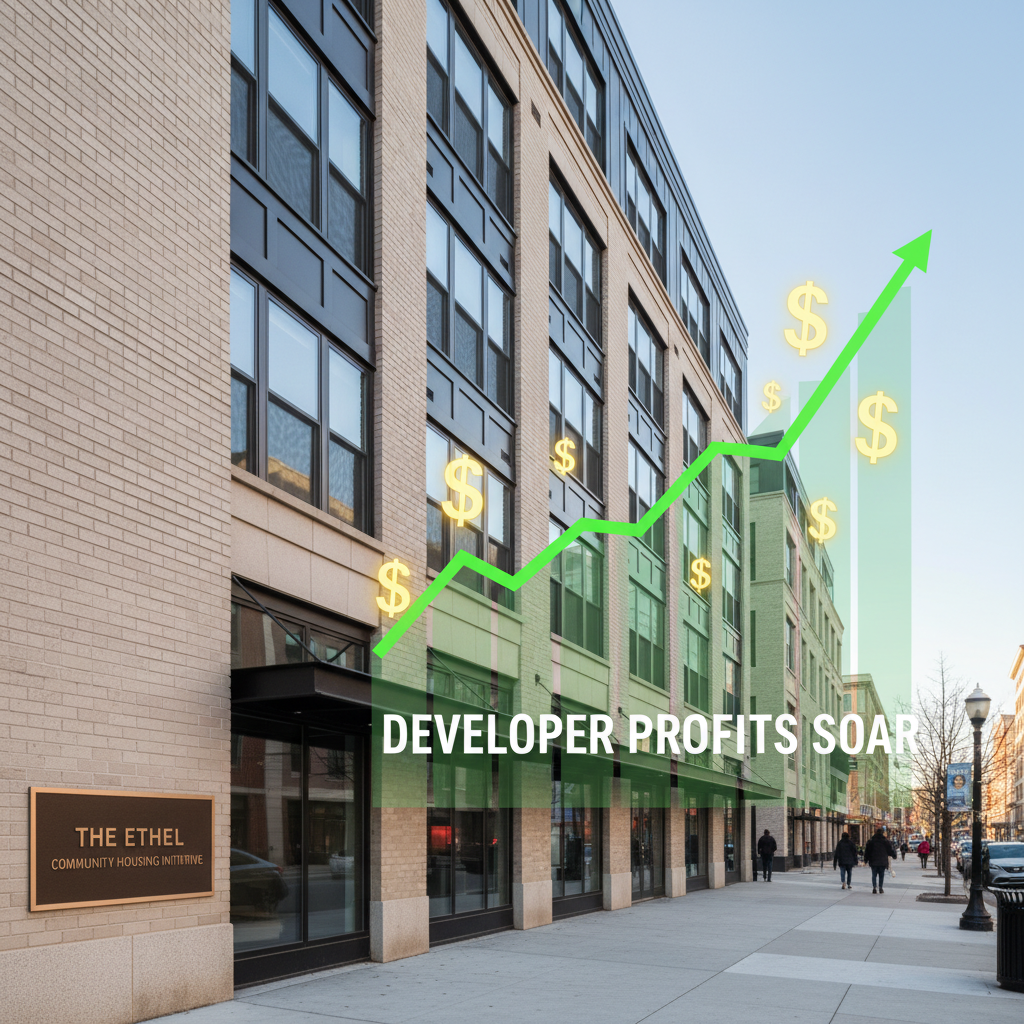
A recent investigation by The Washington Post has shed light on the financial outcomes of a taxpayer-funded housing project in the District of Columbia, revealing significant profits for developers while the city grapples with housing affordability and homelessness. The project, known as The Ethel, was constructed on land provided by the city and leveraged a series of government subsidies, ultimately leading to substantial financial gains for its developers.
Subsidies and Land Deals Pave the Way for Developer Windfalls
The Ethel, a development aimed at addressing housing needs, was built on land that the city of Washington, D.C. itself provided. This public land asset, combined with a "cascade of government subsidies," created a fertile ground for developer profitability, according to The Washington Post's findings [1]. The investigation highlights how the structure of these public-private partnerships can result in substantial returns for private entities, raising questions about the equitable distribution of public resources.
Examining the Financial Architecture of The Ethel
While the specifics of the financial arrangements are complex, the core of the issue lies in how public support translated into private wealth. The land itself, a valuable city asset, was transferred to the developers, significantly reducing their upfront costs. This was further augmented by various government subsidies, which typically aim to make housing more affordable or to incentivize development in specific areas. However, in the case of The Ethel, these mechanisms appear to have disproportionately benefited the developers rather than solely maximizing public benefit or affordability.
The investigation underscores a recurring theme in urban development: the intricate interplay between public policy, land use, and private enterprise. The city's commitment to developing housing, particularly for those experiencing homelessness, is a critical objective. Yet, the financial structures employed can lead to outcomes where private developers reap substantial rewards, potentially at a higher cost to taxpayers than necessary.
Calls for Greater Transparency and Accountability
The findings from The Washington Post investigation are likely to fuel ongoing debates in the District about housing policy, development practices, and the responsible use of taxpayer funds. Advocates for affordable housing and government watchdog groups often call for increased transparency in real estate deals involving public land and subsidies. Ensuring that these partnerships deliver maximum public good, including genuinely affordable housing units and fair returns for the community, remains a persistent challenge.
This case also prompts a broader discussion about the metrics used to define success in affordable housing projects. While the creation of new housing stock is a positive development, the financial gains for developers, especially when amplified by public support, warrant careful scrutiny. Understanding the full cost-benefit analysis for the city and its residents is crucial for future policy decisions.
📍 Local Resources
The DHCD works to create and preserve affordable housing opportunities and foster economic development in Washington, D.C.
Advocates for solutions to homelessness and provides direct services to individuals and families experiencing homelessness in D.C.
Conducts independent audits of D.C. government agencies and programs to promote accountability and efficiency.
The investigation into The Ethel serves as a critical examination of how public resources are utilized in the pursuit of addressing pressing social issues like homelessness and housing shortages. It highlights the need for continued vigilance and robust oversight to ensure that development projects funded by taxpayers deliver maximum benefit to the community they are intended to serve.
Explore more on this topic
Related Stories
Arlington Central Library to Host Community Forum on Low-Income Housing Assistance
Alexandria's Public Housing Authority Reflects on First Year of Rebuild, Mayor Says More Work Ahead
Alexandria's public housing authority, ARHA, has reported progress one year after a leadership overhaul, though Mayor Alyia Gaskins notes significant work remains for the critical housing agency.
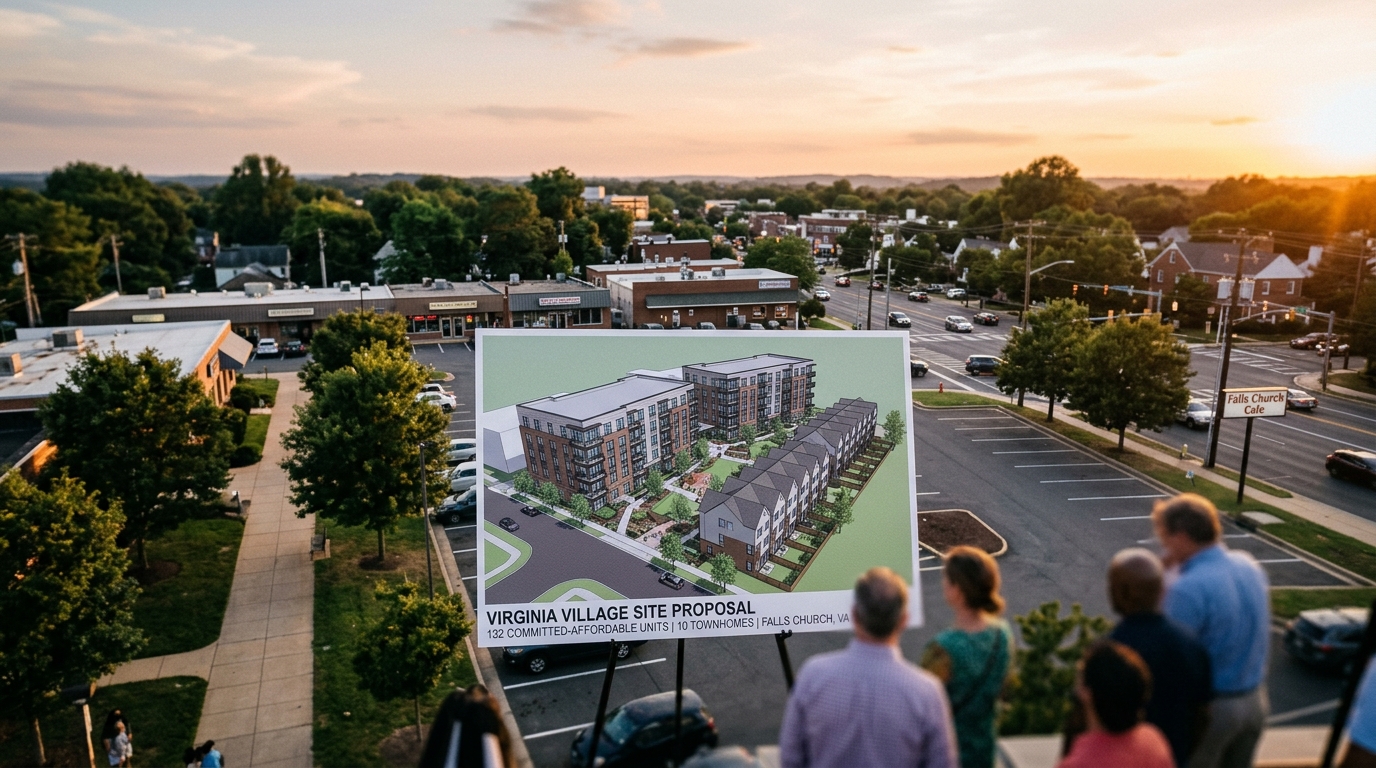
New Proposal for Virginia Village in Falls Church Promises 132 Affordable Housing Units and Townhomes
A new proposal for the Virginia Village site in Falls Church outlines two mid-rise apartment buildings with 132 committed-affordable units, coupled with 10 townhomes, aiming to boost local housing options.