DC Council Considers Bill to Bring Self-Driving Rideshare Vehicles to Washington D.C. Streets
Share this article
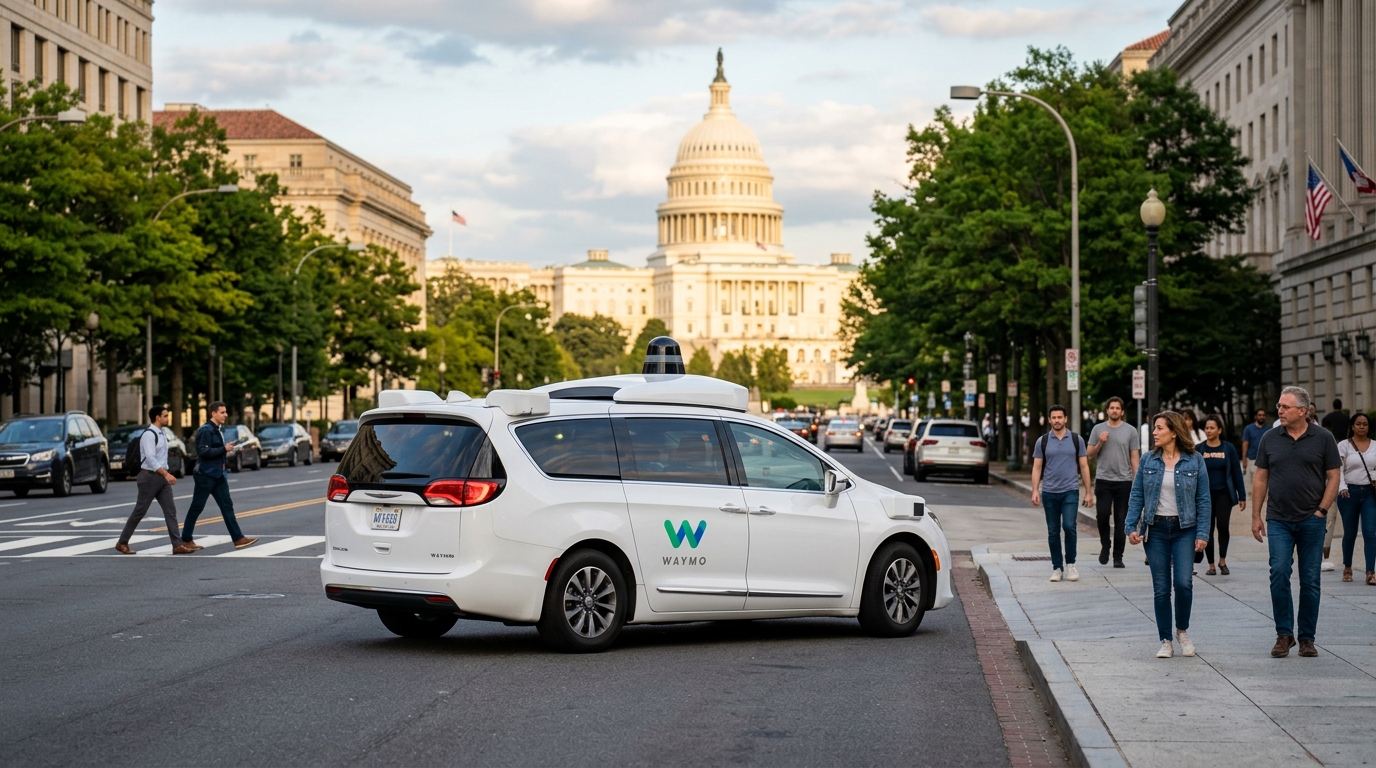
Navigating New Territory for D.C. Transit
The introduction of this bill signals a significant step for Washington D.C. in embracing advanced transportation technology. Currently, the regulatory environment for autonomous vehicles varies widely across states and municipalities. By proposing specific legislation, the DC Council is looking to proactively define the rules of engagement for these vehicles, addressing concerns ranging from safety protocols to operational requirements. This proactive approach could position D.C. at the forefront of urban innovation in the Mid-Atlantic region. The conversation around self-driving vehicles often centers on their potential to reduce traffic congestion, lower accident rates by eliminating human error, and provide more accessible transportation options, especially for those with mobility challenges. However, it also raises questions about job displacement for traditional rideshare drivers, the cybersecurity of these networked vehicles, and the ethical implications of autonomous decision-making on public roads. These are all critical factors the DC Council will undoubtedly weigh as the bill moves through the legislative process.What This Means for D.C. Residents
Should the bill pass, residents could eventually hail a ride from a vehicle with no human driver behind the wheel. This could mean more efficient service, potentially lower fares due to reduced labor costs, and an expansion of service areas, particularly during off-peak hours when human-driven rideshares might be less available. However, the transition won't be without its challenges. Public acceptance, infrastructure readiness, and the need for robust oversight will be paramount. The District Department of Transportation (DDOT) would likely play a crucial role in overseeing the implementation and regulation of these services, ensuring that any autonomous vehicle operations integrate seamlessly and safely into D.C.'s complex road network. This would involve rigorous testing, data collection, and continuous monitoring to maintain public safety and trust. The DC Council's legislative process will involve public hearings, offering residents a chance to voice their opinions and concerns directly. Information on upcoming hearings can typically be found on the DC Council website.📍 Local Resources
Information on current legislation, public hearings, and how to contact your local councilmember.
Official source for transportation planning, policy, and infrastructure projects in D.C.
Regulates and oversees taxis, limousines, and other for-hire vehicles, and would likely expand its scope to include autonomous rideshares.
Explore more on this topic
Related Stories
Councilmember Janeese Lewis George Urges Caution on Waymo Legislation, Citing DC's Jobs Crisis
Ward 4 Councilmember Janeese Lewis George has urged the DC Council to pump the brakes on Waymo legislation this year, warning that rushing autonomous vehicle laws could worsen the city's "jobs crisis" by displacing workers. She emphasizes the need to prioritize safety and worker support alongside technological advancement.
Ousted Board of Appeals Chair Sues Howard County Council, Office of Law
Howard County's ousted Board of Appeals chair has filed a lawsuit against the County Council and the Office of Law, initiating a significant legal challenge within the local government structure. This action highlights internal administrative disputes and brings the county's appointment and oversight processes into public scrutiny.