DC Council Considers Permanent Curfew Zone, Sparking Debate Across the District
Share this article
Understanding the Proposed Permanent Zone
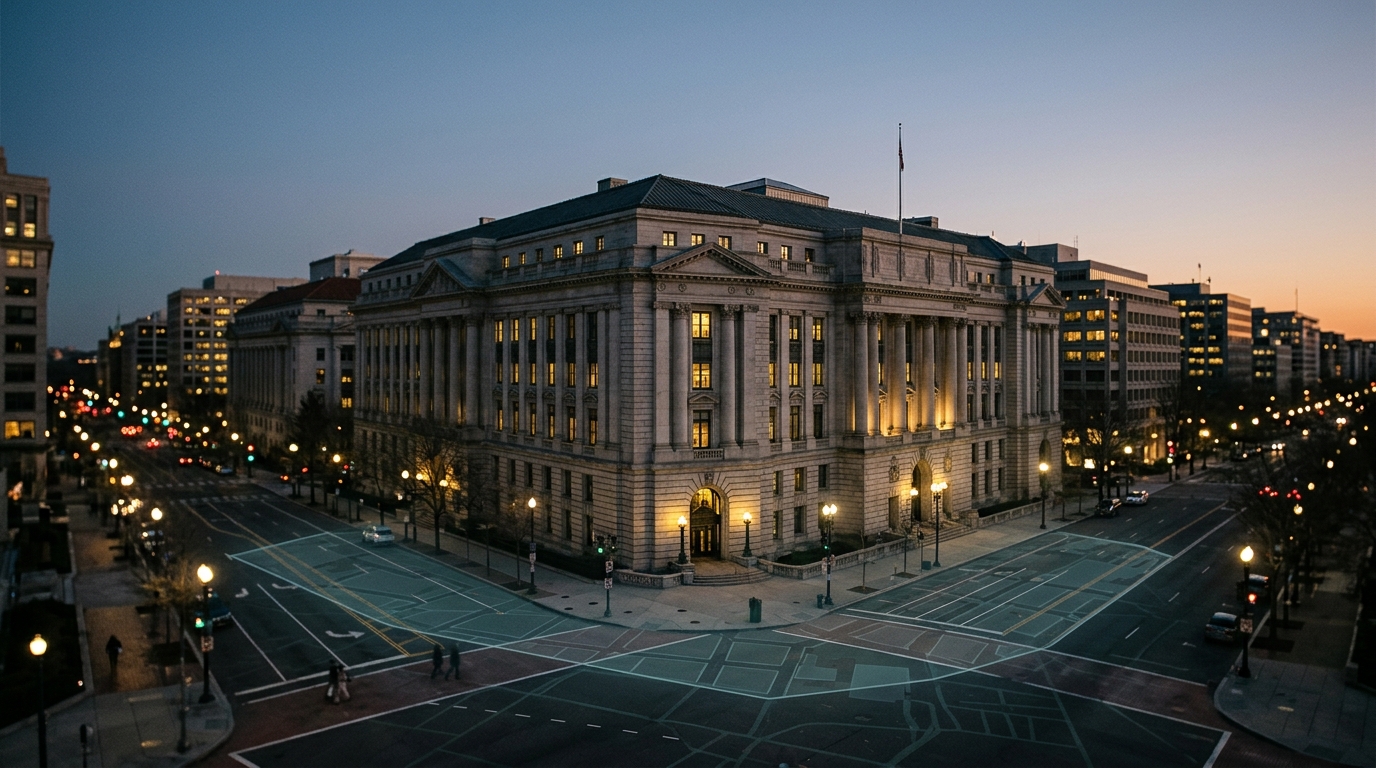
While the specific boundaries of the permanent zone haven't been fully detailed in public reporting yet, these types of initiatives typically target areas that have seen an uptick in late-night loitering, vandalism, or more serious youth-involved crimes. The intent, as proponents often argue, is to create safer environments for everyone, from evening commuters heading home to families enjoying the city's vibrant nightlife. Making the zone permanent would embed these restrictions into the city's legal code, moving beyond emergency declarations or short-term authorizations.Community Impact and Ongoing Debate
The prospect of a permanent curfew zone inevitably opens up a broader conversation about its effectiveness and its impact on civil liberties. Critics often raise concerns about potential over-policing, particularly in communities of color, and question whether curfews truly address the root causes of youth crime, such as lack of opportunities, insufficient youth programs, or family distress. Advocates, however, point to a perceived immediate reduction in certain types of incidents, arguing that it provides law enforcement with a clear directive to intervene when youth are unsupervised during late hours. For parents in the District, a permanent curfew zone would mean adjusting family routines and ensuring their children understand and adhere to the new rules. Businesses operating in the designated areas might see changes in foot traffic, potentially affecting late-night sales or operations, though some might welcome the perceived increase in safety. The Metropolitan Police Department (MPD) would likely see its enforcement responsibilities formalized, relying on established protocols rather than temporary directives. Residents can review MPD crime data to understand local trends. The DC Council's deliberations will weigh these various perspectives, seeking a balance between public safety imperatives and community concerns. The legislative process for such a significant change involves multiple readings and public hearings, offering opportunities for residents to voice their opinions and for council members to refine the proposal. Details on legislative developments are often updated on the Council of the District of Columbia website. What this move means for District residents is a future where certain evening hours in specific areas will be governed by a stricter set of rules for young people. It's a clear signal that the city leadership is exploring every avenue to ensure safety and order. As the legislative process unfolds, residents should stay informed about the specific details of the proposed zone, including its boundaries and enforcement guidelines, and consider participating in public discussions to shape this important piece of local policy.📍 Local Resources
Provides services and support for D.C. youth involved with the justice system, including rehabilitation and community programs.
Offers free legal services to low-income D.C. residents, which could include advice on youth-related legal issues or civil rights concerns.
Offers a variety of programs and resources for children and teens across D.C., providing safe and engaging activities during non-curfew hours.
Explore more on this topic
Related Stories
Councilmember Janeese Lewis George Urges Caution on Waymo Legislation, Citing DC's Jobs Crisis
Ward 4 Councilmember Janeese Lewis George has urged the DC Council to pump the brakes on Waymo legislation this year, warning that rushing autonomous vehicle laws could worsen the city's "jobs crisis" by displacing workers. She emphasizes the need to prioritize safety and worker support alongside technological advancement.

Ousted Board of Appeals Chair Sues Howard County Council, Office of Law
Howard County's ousted Board of Appeals chair has filed a lawsuit against the County Council and the Office of Law, initiating a significant legal challenge within the local government structure. This action highlights internal administrative disputes and brings the county's appointment and oversight processes into public scrutiny.