Current Weather
Thunderstorms Halt Air Traffic Across DC Area, Grounding Flights
Share this article
Advertisement
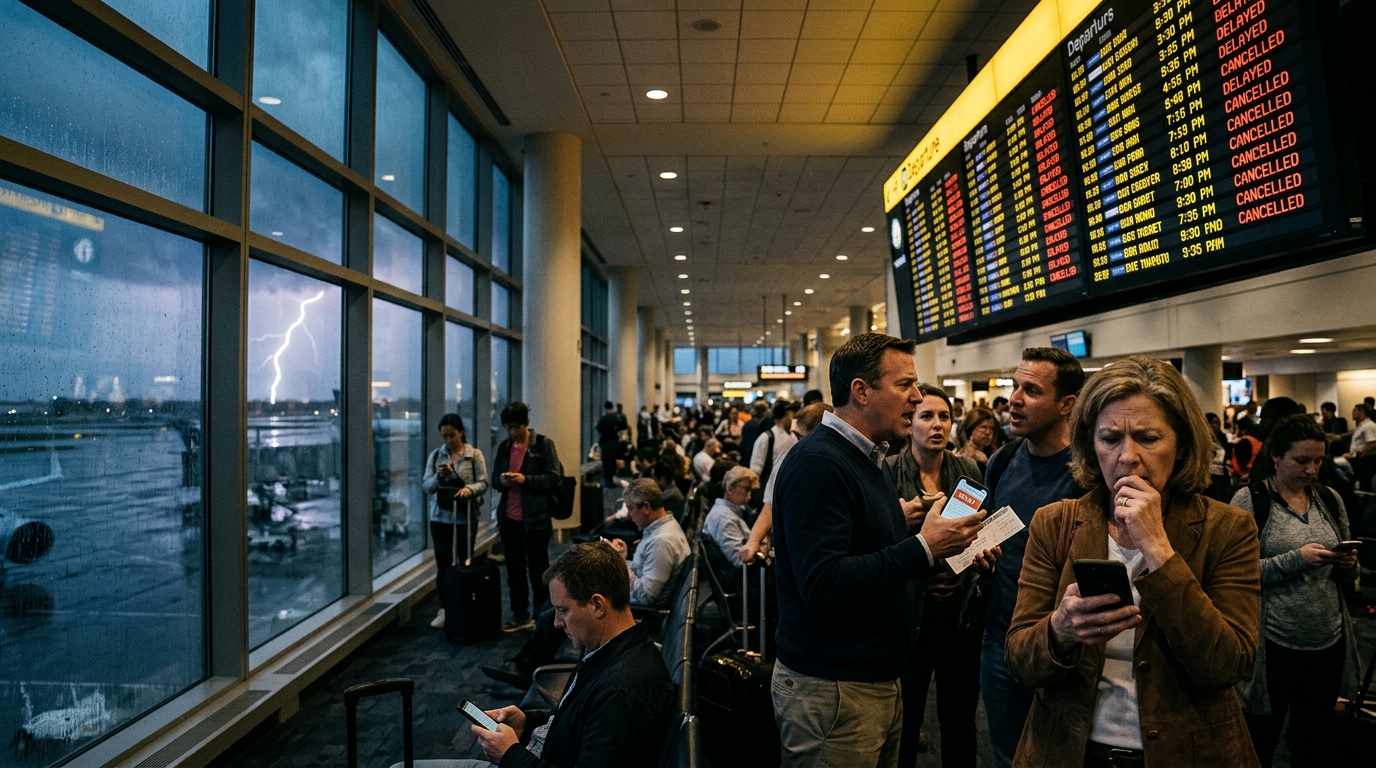
The familiar rumble of summer thunderstorms rolled through the DC area recently, bringing with it more than just heavy rain and lightning. Air travelers across the region found their plans put on hold as severe weather forced a temporary ground stop for flights. This disruption meant delays and cancellations for passengers hoping to fly in and out of the nation's capital and surrounding communities. When a ground stop is issued, it means that aircraft are prevented from departing from their origin airports for a specific destination, or for all destinations within a certain airspace, until conditions improve. It's a critical safety measure, especially during intense weather events like the thunderstorms that swept through our backyard.
What a Ground Stop Means for Travelers
For anyone planning to fly, a ground stop can quickly turn a routine trip into a waiting game. Flights that haven't yet departed are held at the gate, while those already in the air are often diverted or instructed to hold in patterns until they can safely land. This cascading effect can lead to significant delays throughout the day, even after the immediate weather threat has passed. The Federal Aviation Administration (FAA) often issues these advisories to manage the flow of air traffic and ensure safety during adverse conditions. Travelers can typically monitor these advisories via the FAA's Air Traffic Control System Command Center website.A ground stop is a critical safety measure, preventing aircraft from departing until severe weather conditions improve.
The primary concern during thunderstorms is the danger posed by lightning, strong winds, and heavy precipitation, which can severely reduce visibility and create turbulence. Air traffic controllers also need clear conditions to guide planes safely, and the presence of intense storm cells directly over or near major airports can make that impossible. For our region, this often impacts operations at major hubs like Ronald Reagan Washington National Airport (DCA), Washington Dulles International Airport (IAD), and Baltimore/Washington International Thurgood Marshall Airport (BWI), though the specific ground stop mentioned focused on the broader "DC area." Navigating Weather-Related Delays
When severe weather hits, the best defense for travelers is proactive communication and flexibility. Airlines usually provide updates via text, email, or their mobile apps, so it's always a good idea to keep an eye on those notifications. Checking your flight status directly on your airline's website or through airport information portals before heading out to the airport can save you a lot of hassle. The DMV's summer months are no stranger to pop-up storms. These convective weather events can form rapidly and be highly localized, making them challenging for forecasters and air traffic managers alike. While one part of the region might be enjoying sunshine, another could be experiencing torrential downpours and electrical activity, directly impacting flight paths and airport operations. The National Weather Service (NWS) Sterling office provides detailed forecasts and warnings specific to the greater Washington/Baltimore metro area, which can be a valuable resource for understanding potential travel impacts. Airline policies for weather-related delays and cancellations vary, but generally, if your flight is significantly delayed or canceled due to weather, you may be entitled to rebooking on the next available flight without an additional fee. However, compensation for hotels or meals is not typically required for weather-related issues, as these are considered "acts of God" outside the airline's control. It's always wise to understand your specific airline's Contract of Carriage, which outlines passenger rights and responsibilities. As the weather patterns continue to shift, travelers in the DMV should remain vigilant. Always plan for potential delays during storm season, especially when flying in the afternoon or evening, which is often when these convective storms are most prevalent. Keeping an emergency kit, including snacks, a portable charger, and any necessary medications, can also make waiting out a delay a bit more bearable. Looking ahead, residents should always monitor local weather forecasts before traveling and stay in close communication with their airlines. While we can't control the weather, being prepared can certainly help mitigate the stress of air travel disruptions.📍 Local Resources for Air Travelers
Ronald Reagan Washington National Airport (DCA)
Real-time flight status, parking information, and airport services for flights in and out of Washington, D.C.
Washington Dulles International Airport (IAD)
Flight tracking, terminal maps, and transportation options for international and domestic travel.
Baltimore/Washington International Thurgood Marshall Airport (BWI)
Information on arrivals, departures, ground transportation, and traveler amenities for the Baltimore-Washington corridor.
National Weather Service (NWS) Sterling, VA
Official weather forecasts, warnings, and advisories for the Washington/Baltimore metropolitan area.
🌐 Website: weather.gov/lwx
Advertisement
Explore more on this topic
Related Stories
Current Weather
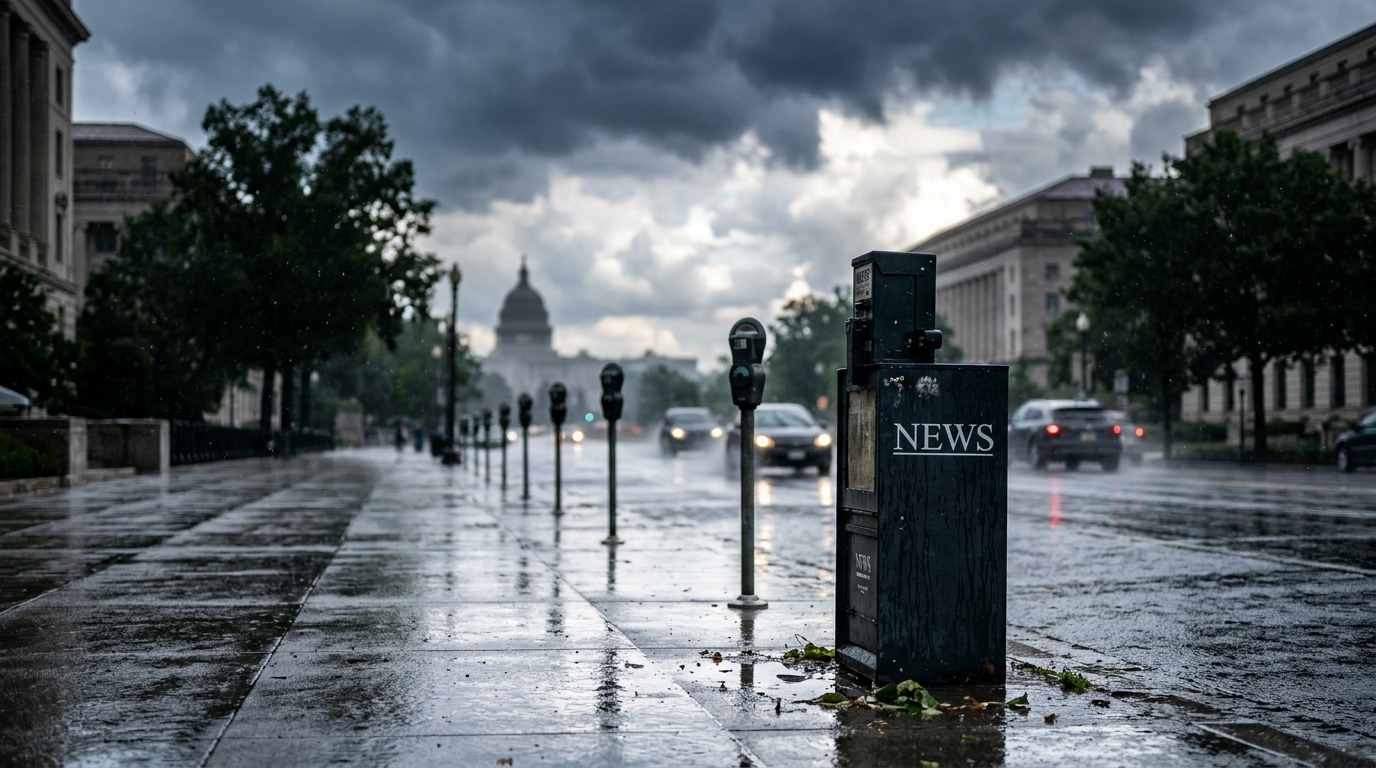
DC Braces for Thursday's Mix of Scattered Showers and Warm Temperatures
Current Weather
14 days ago4 min read

Current Weather
Muggy Thursday Ahead: Light Showers and Humidity to Dampen DMV Region
Montgomery County·Current Weather
The DMV region is set for a damp and muggy Thursday with light showers and increased humidity, a notable shift from recent crisp fall weather. Residents should prepare for intermittent rain and a sticky feel in the air, impacting commutes and outdoor plans.
14 days ago4 min read
Current Weather
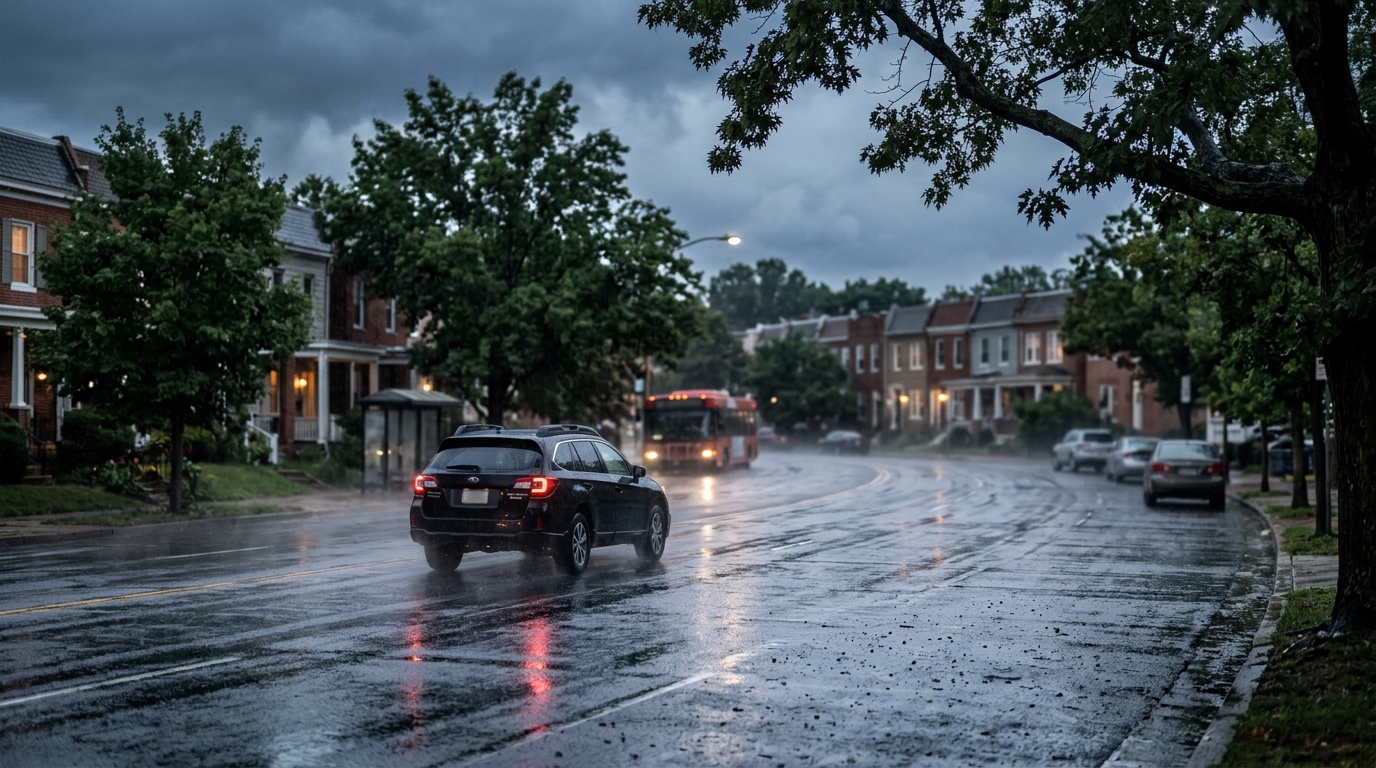
DMV Residents Brace for Late-Week Rain After Brief Warm Spell
Montgomery County·Current Weather
15 days ago4 min read