DC's $25 Minimum Wage Proposal: Potential Economic Ripple Effects in Northern Virginia
Share this article
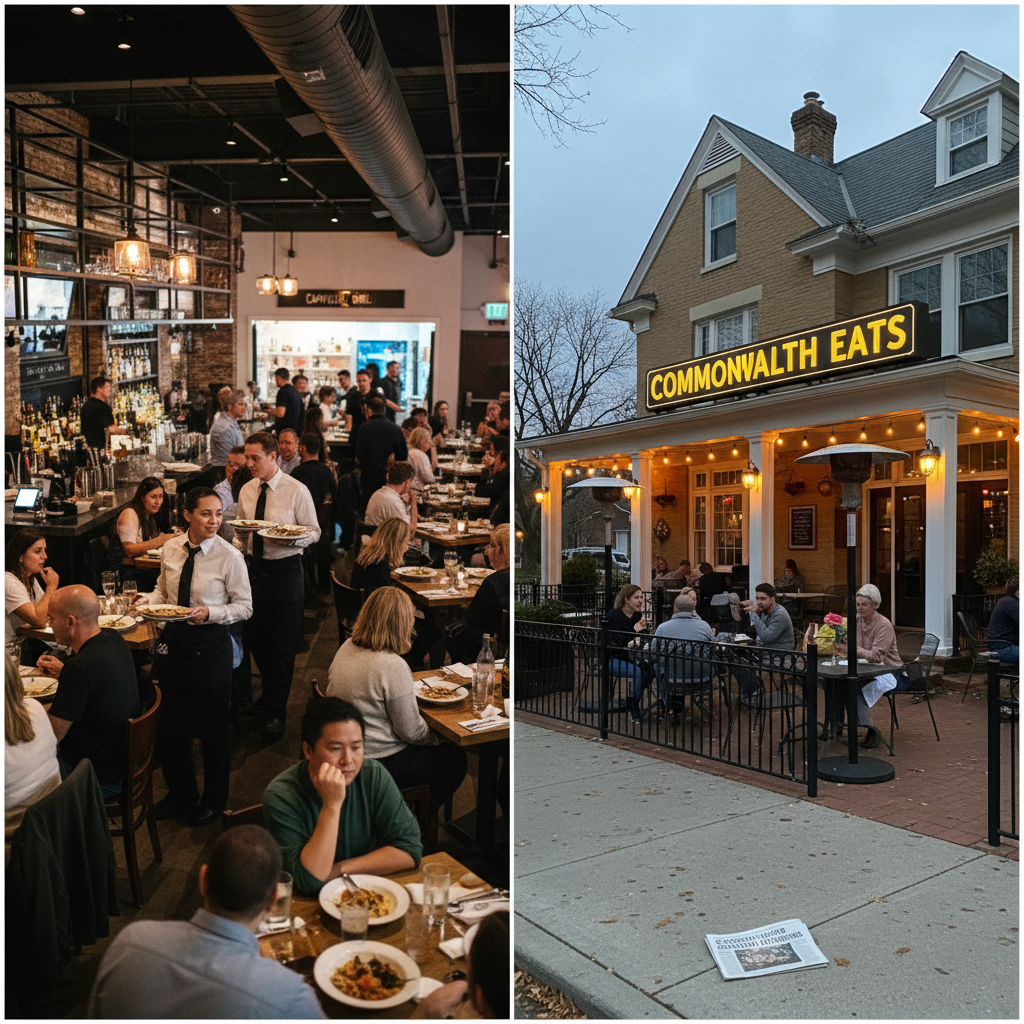
A proposed increase of the minimum wage to $25 per hour in Washington D.C. could have significant economic consequences, potentially prompting a short-term migration of service industry workers to Northern Virginia and, over the long term, encouraging businesses to relocate outside the District, according to industry representatives.
Concerns Over Business Viability
The Restaurant Association of Metropolitan Washington D.C. has voiced strong concerns about the potential impact of such a substantial wage hike. While the exact timeline for the proposal's implementation remains uncertain, the association suggests that businesses operating on thin margins might find it increasingly difficult to absorb the increased labor costs. This could lead to a scenario where restaurants in the District are forced to reduce staff, cut operating hours, or, in some cases, cease operations altogether.
The potential for businesses to relocate is a primary concern for Northern Virginia’s economy. Proponents of the wage increase argue it is a necessary step to ensure a living wage for D.C. residents. However, the Restaurant Association posits that businesses might seek out jurisdictions with lower labor costs to remain competitive. This could mean a shift of economic activity, including restaurants and their employees, from the District into neighboring Northern Virginia communities.
Worker Migration and Economic Shifts
In the immediate aftermath of a significant minimum wage increase, some service industry workers in D.C. might look to Northern Virginia for employment opportunities that offer wages closer to what they earned in the District prior to the increase. This could create a temporary imbalance in the labor market, with some D.C. businesses struggling to retain staff while neighboring areas might see an influx of job seekers. However, this scenario is contingent on whether Northern Virginia jurisdictions maintain their current minimum wage levels.
The Broader Economic Picture
The debate over minimum wage increases is complex, with proponents emphasizing poverty reduction and increased consumer spending power, while opponents highlight potential job losses and increased operational costs for businesses. For the Washington D.C. metropolitan area, a region characterized by its close economic ties between the District and its Virginia and Maryland suburbs, such policy shifts can have far-reaching implications. The proximity of Northern Virginia to D.C. makes it a logical destination for businesses and workers seeking to navigate differing regulatory and cost environments.
The Restaurant Association of Metropolitan Washington D.C. is actively monitoring legislative developments related to the minimum wage in the District. Their analysis suggests that a substantial increase could necessitate a reevaluation of business strategies for many establishments. It remains to be seen how local and state governments in Northern Virginia will respond to any potential economic shifts stemming from D.C.'s labor policies.
Potential for Cross-Jurisdictional Policy Alignment
The discussion also raises questions about the coordination of economic policies across the D.C. metropolitan area. As D.C. considers a significant minimum wage adjustment, policymakers in Arlington, Alexandria, Fairfax, and other Northern Virginia jurisdictions may face increased pressure to either align their own minimum wage laws or prepare for the economic consequences of divergence. The flow of workers and businesses between these adjacent areas is a constant factor in regional economic planning.
Further analysis will be required to fully understand the long-term economic impacts of a $25 minimum wage in Washington D.C. Factors such as the overall economic health of the region, consumer spending habits, and the specific strategies adopted by businesses will all play a crucial role in shaping the outcomes. For now, the prospect of such a wage increase serves as a focal point for discussions about the future of the service industry and the broader economic landscape of the D.C. metropolitan area.