Real Estate
Arlington County
Crystal City's Skyline Shifts as Two More Office Buildings Approved for Housing Conversion
Share this article
Advertisement
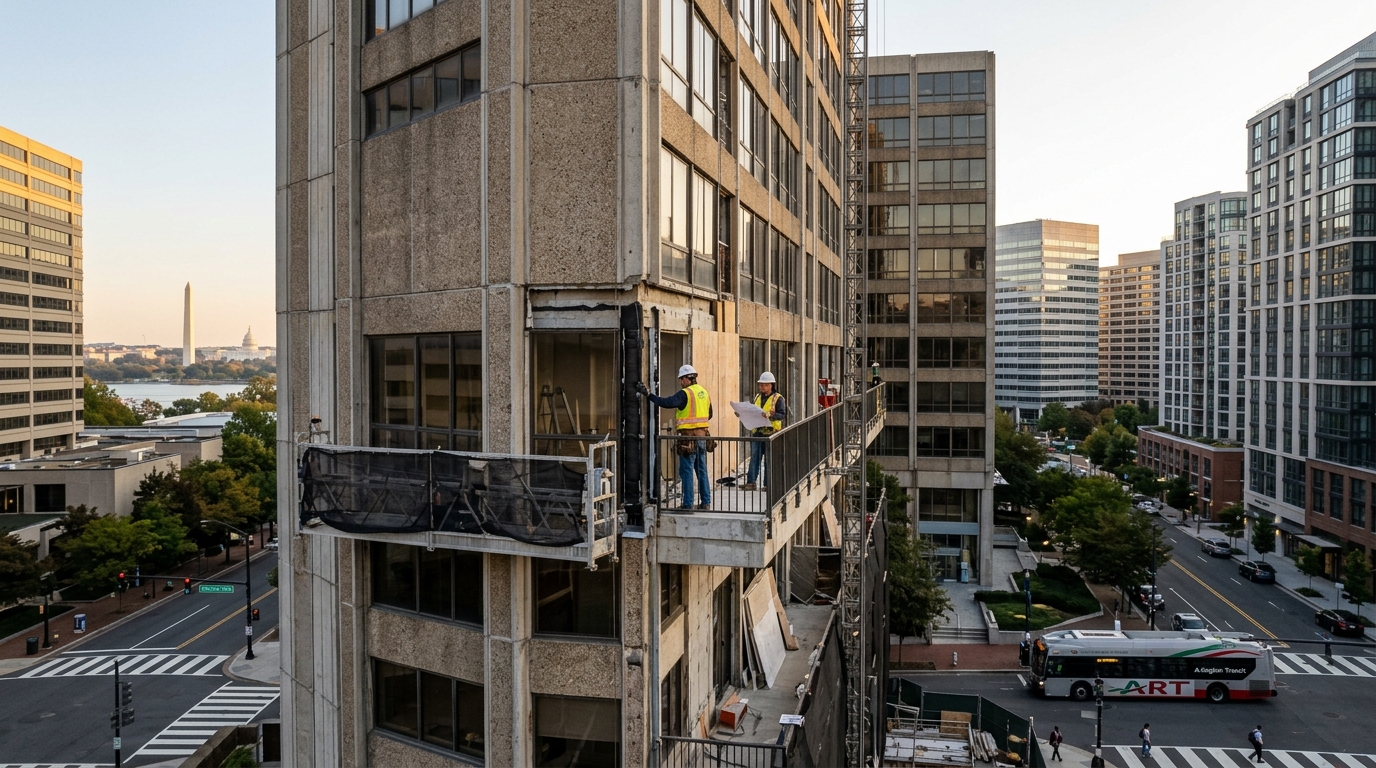
The transformation of Crystal City continues its steady march forward, with Arlington County officials greenlighting the conversion of two more office buildings into residential spaces. This latest decision underscores a significant shift in the urban landscape of this bustling Northern Virginia hub, reflecting evolving demands for housing and a rethinking of commercial real estate in the post-pandemic era. For years, Crystal City has been a cornerstone of office activity, but the district has been actively reimagining its future, moving towards a more vibrant, mixed-use community. The approval for these two additional conversions signals a deepening commitment to that vision, aiming to infuse more residential life into an area traditionally dominated by corporate campuses and federal agencies.
A Growing Trend in Arlington
This isn't the first time Crystal City has seen its office stock repurposed for housing. The area, already undergoing significant revitalization spurred by major corporate relocations and a desire for more walkable urban environments, has been a prime candidate for such transitions. The trend reflects a broader regional and national movement to adapt underutilized office spaces into much-needed residential units, breathing new life into commercial corridors. The shift is particularly pronounced in the DMV, where a strong job market and a persistent housing shortage create immense pressure for new housing solutions. Converting older office buildings, which may struggle with high vacancy rates, offers a dual benefit: it addresses the housing crunch while also revitalizing areas that might otherwise see declining economic activity. It's a pragmatic approach to urban development, leveraging existing infrastructure rather than always building anew.Two more office buildings in Crystal City have received approval to transition into residential housing, marking a continued trend in the area's development strategy.
Why Office-to-Residential Conversions Matter
The decision to convert these buildings isn't just about adding more apartments; it's about reshaping the very fabric of Crystal City. Increased residential density can lead to a more dynamic street-level experience, supporting local businesses, restaurants, and retail. When more people live in an area, there's a greater demand for amenities and services, fostering a more robust local economy and a stronger sense of community. These conversions also play a role in sustainability efforts. Reusing existing structures often has a lower environmental impact than new construction, reducing waste and the carbon footprint associated with building materials and processes. It's an adaptive reuse model that aligns with modern urban planning principles focused on efficiency and environmental responsibility. Furthermore, it helps address the challenge of office vacancies that have impacted many urban centers, including parts of Arlington.Impact on Crystal City Residents and the Wider Community
For current and future residents of Crystal City, these approvals mean more housing options in an increasingly desirable area. The influx of new residents will likely contribute to the vitality of the neighborhood, potentially leading to more diverse retail offerings, better public transit utilization, and a more active social scene. However, such growth also brings considerations around infrastructure, traffic, and the capacity of local schools and public services. Arlington County’s planning processes typically involve careful consideration of these factors to ensure that new development is supported by adequate resources. The move aligns with Arlington County's long-term vision for Crystal City as a vibrant, 24/7 community, as outlined in their Department of Community Planning, Housing, and Development initiatives.The Approval Process: A Look Behind the Scenes
While specific details about these two buildings remain under wraps, the approval process for such significant conversions in Arlington County typically involves rigorous review by the County Board. This includes evaluating proposed plans against zoning regulations, comprehensive plans for the area, and community input. Developers must often demonstrate how their projects will integrate seamlessly into the existing urban fabric, contributing positively to the neighborhood’s character and meeting specific design and sustainability standards. Such approvals usually require amendments to existing zoning or planned unit development (PUD) applications, ensuring that the new residential use aligns with the county’s broader development goals for areas like Crystal City. It’s a transparent process designed to balance developer interests with community needs, creating a framework for smart growth. The county's comprehensive plan guides these decisions, aiming to create a balanced community with diverse housing, employment, and recreational opportunities, as detailed on Arlington County's official website. The continued transformation of Crystal City from a predominantly office-centric district to a thriving, mixed-use urban village is a testament to adaptive planning and a response to evolving demographic and economic forces. These latest approvals are just another step in that ongoing evolution.📍 Local Resources
Arlington County Department of Community Planning, Housing and Development (CPHD)
Provides information on planning, zoning, and housing initiatives in Arlington County, including details on current development projects and community engagement opportunities.
📞 Phone: (703) 228-3800
🌐 Website: arlingtonva.us/CPHD
📍 Location: 2100 Clarendon Blvd, Arlington, VA 22201
🕐 Hours: Mon-Fri 8am-5pm
Arlington County Housing Division
Offers resources and information on affordable housing programs, tenant rights, and housing assistance for Arlington residents.
📞 Phone:
Advertisement