Criminal Neglect Charges Filed in 2020 Patient Death at D.C. Psychiatric Institute
Share this article
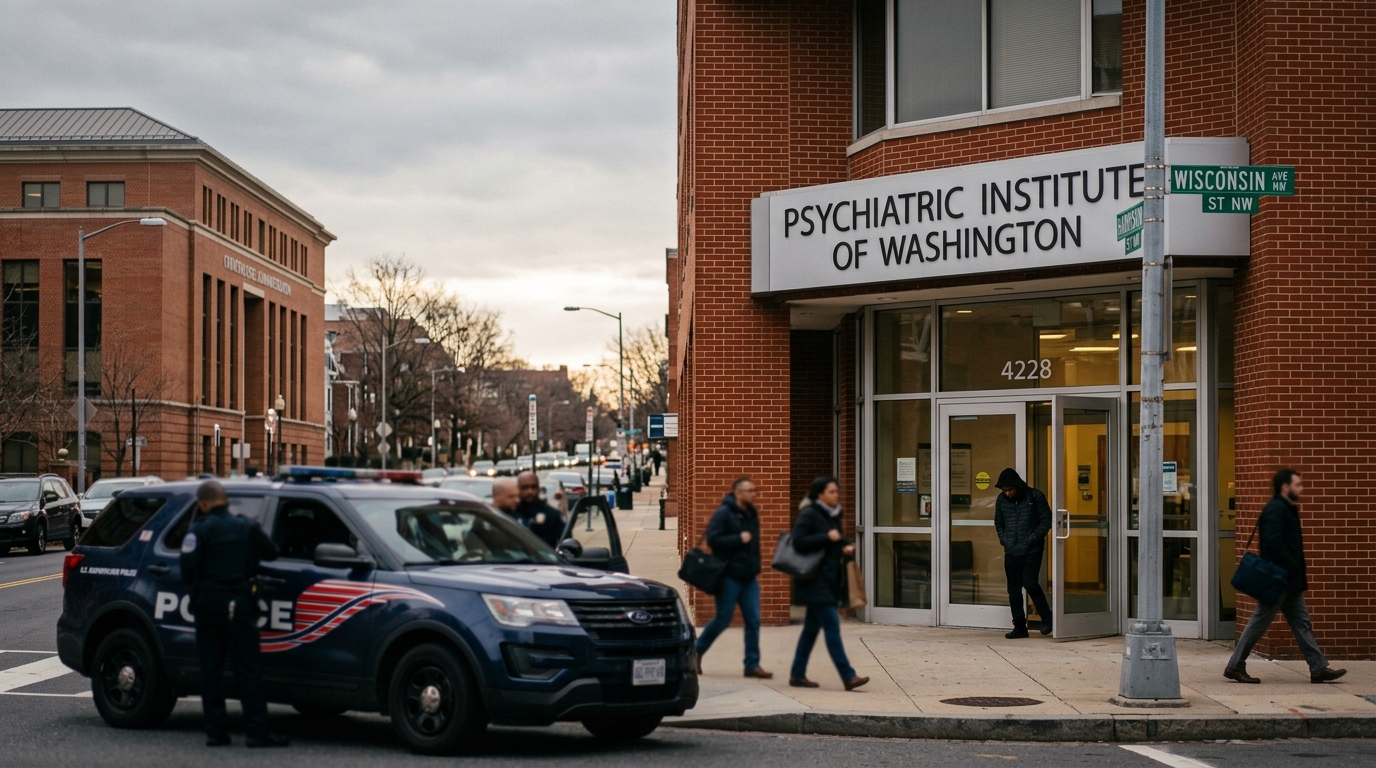
Washington, D.C. authorities have filed criminal neglect charges against three former staffers in connection with the 2020 death of a patient at the Psychiatric Institute of Washington (PIW) [1]. This development comes after years of persistent allegations of abuse and neglect raised by disability rights advocates and through lawsuits filed by former patients against the institution [1].
The charges underscore ongoing concerns about patient safety and oversight within mental health facilities in the nation's capital. The Psychiatric Institute of Washington, located on K Street NW, is a private psychiatric hospital providing inpatient and outpatient services for adults, adolescents, and children.
Charges Highlight Systemic Concerns
The filing of criminal neglect counts marks a significant step in accountability following the patient's death more than three years ago [1]. While specific details about the circumstances of the death and the identities of the former staffers have not been immediately released by authorities, the charges themselves point to a failure in providing adequate care.
Disability rights organizations and former patients have long voiced concerns about conditions at PIW. These claims have frequently centered on allegations of insufficient staffing, inadequate supervision, and systemic issues that purportedly compromised patient welfare. Such allegations have often led to calls for increased scrutiny and more robust regulatory oversight from D.C. agencies responsible for healthcare facilities.
A History of Advocacy and Legal Action
The legal action taken by D.C. prosecutors is not an isolated incident but rather emerges from a backdrop of sustained advocacy. For years, groups dedicated to protecting the rights of individuals with disabilities have highlighted various incidents of alleged mistreatment and neglect at the facility [1]. These advocates play a crucial role in bringing light to conditions within institutions that serve vulnerable populations, often relying on patient testimonies and internal reports to build their cases.
Furthermore, the charges follow a pattern of civil litigation. Multiple former patients have pursued lawsuits against the Psychiatric Institute of Washington, alleging various forms of abuse and inadequate care during their stays [1]. While civil suits seek monetary damages, criminal charges aim to hold individuals accountable for actions that violate the law, potentially leading to incarceration and other penalties.
Implications for D.C. Healthcare Oversight
This development raises important questions for the District's regulatory bodies, including the DC Department of Behavioral Health (DBH), which licenses and oversees mental health facilities. The criminal charges could prompt a renewed examination of existing protocols for patient care, staff training, and incident reporting across all psychiatric hospitals and mental health treatment centers operating within the District.
For residents seeking mental health services in Washington, D.C., news of such charges can be unsettling. It underscores the critical importance of researching facility reputations, understanding patient rights, and knowing how to report concerns. Patients and their families should feel confident that facilities are providing safe, effective, and ethical care.
The legal proceedings following these charges will be closely watched by the local community, healthcare professionals, and patient advocacy groups. The outcome could significantly influence how mental health care is regulated and delivered in the District of Columbia, potentially leading to stricter enforcement, enhanced oversight measures, or reforms aimed at improving patient safety and accountability. The District of Columbia government maintains a portal for public access to various services and information, including details on health and human services.
📍 Local Resources: Mental Health Support & Advocacy in D.C.
Provides public mental health services, addiction services, and oversees behavioral health facilities in the District.
Serves as the federally mandated protection and advocacy system for people with disabilities in the District of Columbia, including mental health advocacy.
Offers support, education, and advocacy for individuals and families affected by mental illness in the District.
Looking Ahead
The charges against the former Psychiatric Institute of Washington staffers represent a critical juncture for justice and accountability. As the legal process unfolds, it will shine a further light on the responsibilities of healthcare providers to ensure the safety and well-being of their patients, particularly those in vulnerable circumstances within psychiatric care settings. The D.C. community will be watching for transparency and a thorough resolution to this case, hoping it leads to lasting improvements in mental health care standards. The broader conversation about patient rights in psychiatric facilities continues to be a priority for many local advocacy organizations, such as the ACLU of the Nation's Capital, which often addresses systemic issues affecting vulnerable populations.