Federal
Montgomery County
Congress Probes Potomac Sewage Collapse, Highlighting Regional Water Concerns
Share this article
Advertisement
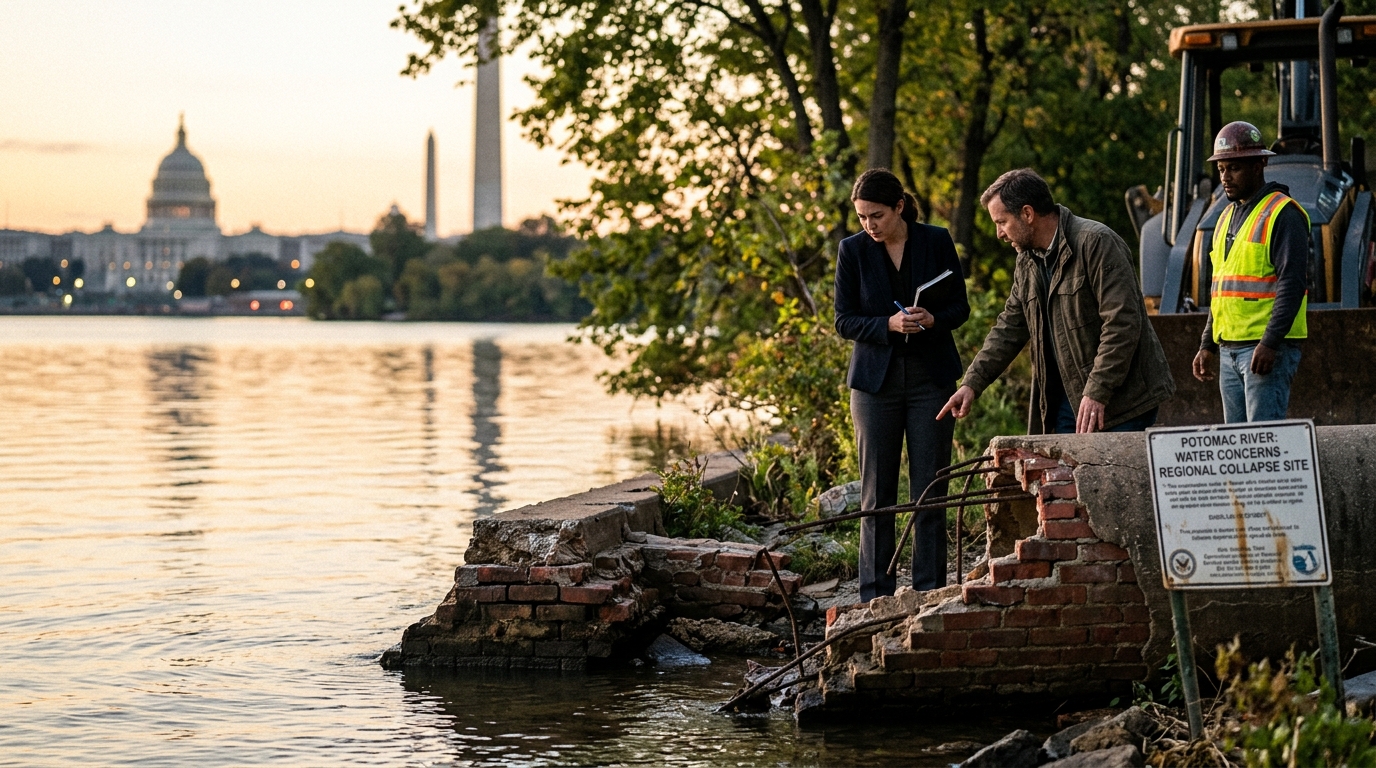
The health of the Potomac River, a vital artery for the entire DMV region, is once again under the microscope. Federal officials recently gathered before Congress to discuss a significant sewage collapse impacting the river, a development that underscores the ongoing challenges in maintaining critical infrastructure and protecting local waterways. This congressional testimony brings a serious environmental incident into the national spotlight, signaling that lawmakers are taking a keen interest in the integrity of the region's water systems. While specific details of the collapse and the testimony remain under wraps, the very act of officials appearing before Congress emphasizes the gravity of the situation and its potential long-term implications for millions of residents across Washington, D.C., Maryland, and Virginia.
The Potomac's Lifeline Role in the DMV
For anyone living, working, or playing in the DMV, the Potomac River isn't just a scenic backdrop; it's a fundamental part of daily life. It provides drinking water for a substantial portion of the population, supports diverse ecosystems, and offers countless recreational opportunities, from kayaking to fishing. Any compromise to its water quality, particularly from a sewage collapse, sends ripples of concern through communities along its banks. The river's health is intrinsically linked to public health and the economic vitality of the region.The Potomac River supplies drinking water for millions in the DMV, making its environmental integrity a top priority for public health and regional stability.
A sewage collapse, by its very nature, introduces untreated wastewater into natural environments. This can lead to elevated levels of harmful bacteria, viruses, and pollutants, posing immediate risks to aquatic life and human health. Swimmers, boaters, and even those simply enjoying the riverbanks can be exposed to contaminants. Beyond the immediate health hazards, such incidents can disrupt delicate ecosystems, harming fish populations and other wildlife, and requiring extensive, costly cleanup efforts. Ensuring robust infrastructure is paramount to preventing such environmental crises. Congressional Oversight and Regional Impact
The decision for officials to testify before Congress on this matter highlights the federal government's role in overseeing environmental protection and infrastructure, particularly when issues cross state lines or involve federal lands, as the Potomac often does. Congressional hearings serve as a critical mechanism for accountability, allowing lawmakers to question agency leaders, demand answers, and press for solutions. This process can lead to increased funding for infrastructure upgrades, stricter regulatory enforcement, or new legislative initiatives aimed at preventing future collapses. For DMV residents, this means that their elected representatives are engaged in addressing a direct threat to local water quality. The outcome of these hearings could influence how local jurisdictions manage their wastewater systems, potentially leading to new regional partnerships or federal aid for necessary repairs and upgrades. It's a reminder that environmental issues, while often feeling local, frequently require coordinated efforts at multiple levels of government. The Environmental Protection Agency (EPA) frequently collaborates with local agencies on such matters.What This Means for Local Communities
While the specific location of the sewage collapse along the Potomac hasn't been widely detailed, its impact resonates throughout the entire watershed. Residents in communities from Georgetown in D.C. to Arlington and Fairfax in Virginia, and Montgomery County in Maryland, all rely on the Potomac. A sewage incident can trigger advisories against water contact, affect fishing, and potentially increase the cost of water treatment. It also raises questions about the age and maintenance of existing infrastructure, urging local utility providers to review their systems. The testimony before Congress signifies that this isn't just a localized pipeline problem; it's a systemic concern garnering federal attention. This engagement often translates into greater scrutiny and potentially more resources directed towards preventing similar incidents. Organizations like the Potomac Conservancy consistently advocate for stronger protections and investments in river health, working with various stakeholders to improve water quality. Looking ahead, residents should keep an eye on official announcements from local environmental agencies and utility providers. These bodies will be key in communicating any ongoing risks, water advisories, or details about remediation efforts. The congressional focus on this collapse suggests that discussions around infrastructure investment and environmental safeguards for the Potomac are far from over, and more updates are likely as officials continue to assess the situation and plan next steps. The U.S. Congress website may provide future updates on relevant legislative actions or committee hearings.📍 Local Resources
DC Water
Manages wastewater collection and treatment for Washington, D.C. Provides information on water quality and service alerts.
📞 Phone: (202) 787-2000
🌐 Website: dcwater.com
📍 Location: 5000 Overlook Ave SW, Washington, DC 20032
🕐 Hours: Mon-Fri 8am-5pm
Maryland Department of the Environment (MDE)
Oversees environmental quality, including
Advertisement