Carlyle Neighborhood Development Shifts from Office Space to Senior Living in Alexandria
Share this article
The Shifting Sands of Urban Development
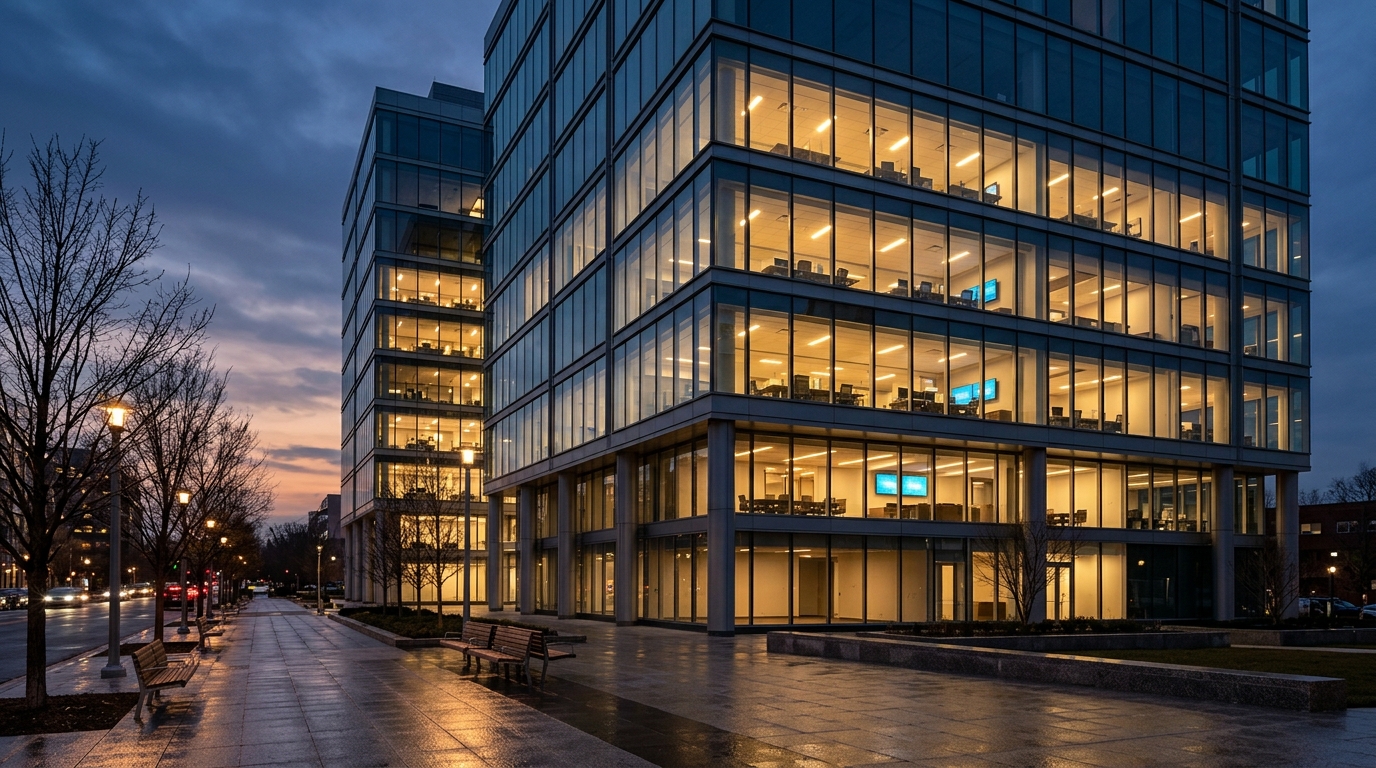
It's no secret that the commercial real estate market has been in flux. The rise of hybrid and remote work models, accelerated by the pandemic, has left many office buildings with higher vacancy rates than ever before. This phenomenon isn't unique to Alexandria; cities nationwide are grappling with how to repurpose underutilized commercial spaces. In the DMV, where federal government and defense contractors traditionally anchored a robust office market, the shift has been particularly pronounced. Developers are increasingly looking for adaptive reuse opportunities, converting office buildings into residential units, hotels, or, as in Carlyle's case, senior living facilities. This isn't just about filling empty space; it's about responding to a fundamental change in how urban areas function. Residential demand, especially for specialized housing, has remained strong, even as office demand wanes. This pivot in Carlyle isn't just a localized decision; it’s a microcosm of a larger economic rebalancing. Projects that once seemed like sure bets for corporate tenants are now being re-imagined to serve the community in different ways, aligning with a more diverse and resilient urban fabric.Carlyle's Evolving Landscape
The Carlyle neighborhood in Alexandria is a prime example of urban revitalization and strategic growth. Located just south of Old Town, it's a hub of federal offices, legal firms, and residential buildings, all within walking distance of the Eisenhower Avenue Metro station. Its proximity to downtown Alexandria, the Patent and Trademark Office, and the federal courthouse makes it an attractive location for a wide range of residents. For seniors, Carlyle offers an appealing blend of accessibility and amenities. The neighborhood boasts numerous restaurants, shops, and green spaces, like Carlyle House Park, which are all easily navigable. Excellent public transportation options, including Metro service on the Yellow and Blue Lines, provide crucial connectivity for residents who may no longer drive. The existing infrastructure, combined with its planned, walkable design, positions Carlyle perfectly for a senior living community. It's a place where residents can maintain an active, independent lifestyle with convenient access to healthcare, entertainment, and essential services, minimizing the need for extensive travel. The city of Alexandria has long focused on creating livable, walkable communities, and this development aligns with those goals, adding a critical housing component for an often-underserved demographic. More information on Alexandria's planning initiatives can be found on the Alexandria City Government Planning & Zoning website.Meeting a Growing Need: Senior Housing in the DMV
The demand for quality senior housing in the DMV region is undeniable. Our population is aging, and a significant portion of residents are looking for housing options that offer convenience, community, and support as they age. From independent living to assisted care, the spectrum of senior housing is broad, and developers are recognizing the opportunity to meet this escalating need. Across Northern Virginia, the Baby Boomer generation is reaching retirement age, and many want to stay close to their families and established communities. This creates a strong market for well-located senior living facilities. These aren't just nursing homes; modern senior housing often emphasizes active lifestyles, social engagement, and a range of amenities designed to promote well-being. A two-tower, mixed-use project in a vibrant neighborhood like Carlyle can offer a dynamic environment for older adults, providing not just a place to live, but a community to thrive in. The Virginia Department for Aging and Rehabilitative Services provides further insights into programs and services for older adults in the Commonwealth, accessible via their official website. This demographic shift is a powerful driver for real estate development, steering projects towards sectors with guaranteed long-term demand.Navigating the Development Process
Bringing a large-scale development to fruition in a dense urban environment like Alexandria is a complex dance involving myriad regulations, community input, and financial considerations. The original office project in Carlyle had already cleared "design hurdles and an extension for construction last year," as reported by ALXnow. This indicates that the developer had already invested significant time and resources into the initial plans. A pivot of this magnitude, however, means going back to the drawing board in many respects. While the core structural elements of a two-tower complex might remain, the internal layouts, amenities, and even some external design features will require substantial revisions. This will likely necessitate new rounds of architectural design, engineering studies, and potentially, further reviews by the city's planning department. Zoning regulations, building codes, and accessibility requirements for senior living facilities can differ significantly from those for commercial office spaces, adding layers of complexity to the approval process. The developer will need to ensure that the revised plans comply with all local ordinances and address any new community concerns that might arise from the change in use. This could mean more public hearings, updated permit applications, and a revised timeline for construction, even with the groundwork laid by previous approvals. Understanding the local economic landscape is crucial for developers; resources like the Alexandria Economic Development Partnership offer insights into market trends and development opportunities.What This Means for Alexandria Residents
For those living in Alexandria, particularly in and around the Carlyle neighborhood, this development pivot carries several important implications. Firstly, it means an increase in much-needed housing options for seniors. As the cost of living in the DMV continues to rise, providing diverse and accessible housing for older adults is crucial for maintaining a vibrant, multi-generational community. This project could help alleviate pressure on the broader housing market by offering specialized units. Secondly, the shift represents a vote of confidence in Carlyle as a residential destination, not just a commercial one. A mixed-use senior living complex will bring new residents and likely spur demand for local services, retail, and dining establishments that cater to their needs. This can inject new vitality into the neighborhood, fostering a more diverse and active street-level experience. While any large development brings temporary construction impacts, the long-term benefits of a thriving residential community for seniors could be substantial. Residents relying on public transit, like the Metro, will find the location particularly appealing. Information on Metro services can be found on the WMATA website. This change is a clear indicator that Alexandria's urban fabric is continually evolving, adapting to the needs of its people and the broader economic climate. It underscores the importance of flexible planning and responsive development in creating a city that truly serves all its residents. Moving forward, residents will want to keep an eye on the revised project plans as they make their way through Alexandria's planning and zoning commissions. Details regarding the number of units, specific amenities, and the revised construction timeline will emerge as the developer refines their proposal. This project offers a glimpse into the future of urban development in the DMV, where adaptability and a focus on community needs are increasingly paramount.📍 Local Resources
Provides information, resources, and services to help older adults and their caregivers live independently and thrive in the community.
Offers a wide range of services and programs for older adults, adults with disabilities, and caregivers, including information and assistance with housing options.
A non-profit organization supporting local senior centers and providing activities and resources for older adults in Alexandria.
Explore more on this topic
Related Stories
Roy Priest Returns to Lead Alexandria's Public Housing Authority, Aims to Steer It Back On Track
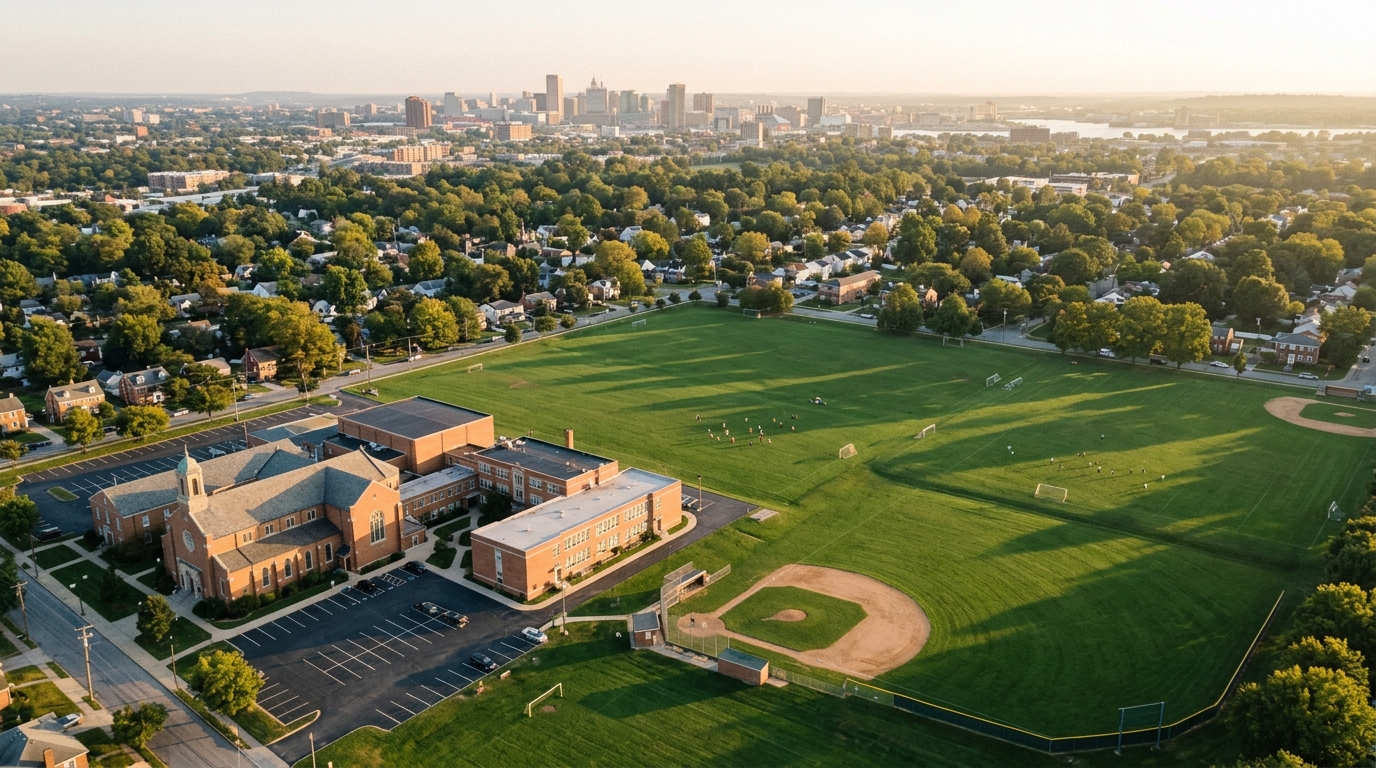
Baltimore County Nears Deal for St. Pius X Property, Eyeing New Ball Fields
Baltimore County is reportedly close to purchasing the St. Pius X property to develop new ball fields, a crucial step to meet the growing demand for youth sports and recreational space in the region.
Alexandria Secures Major Bloomberg Philanthropies Grant to Tackle Housing Shortage
Alexandria has been awarded a significant grant from Bloomberg Philanthropies, ranging from $450,000 to $750,000, to combat its persistent housing shortage. The city is one of only 15 nationwide selected for the funding, which aims to boost local efforts to increase housing stock and improve affordability for residents.