Crime
Howard County
Capitol Rioter Arrested in DC Metro Assault After Livestreams Show Hair-Touching Incidents
Share this article
Advertisement
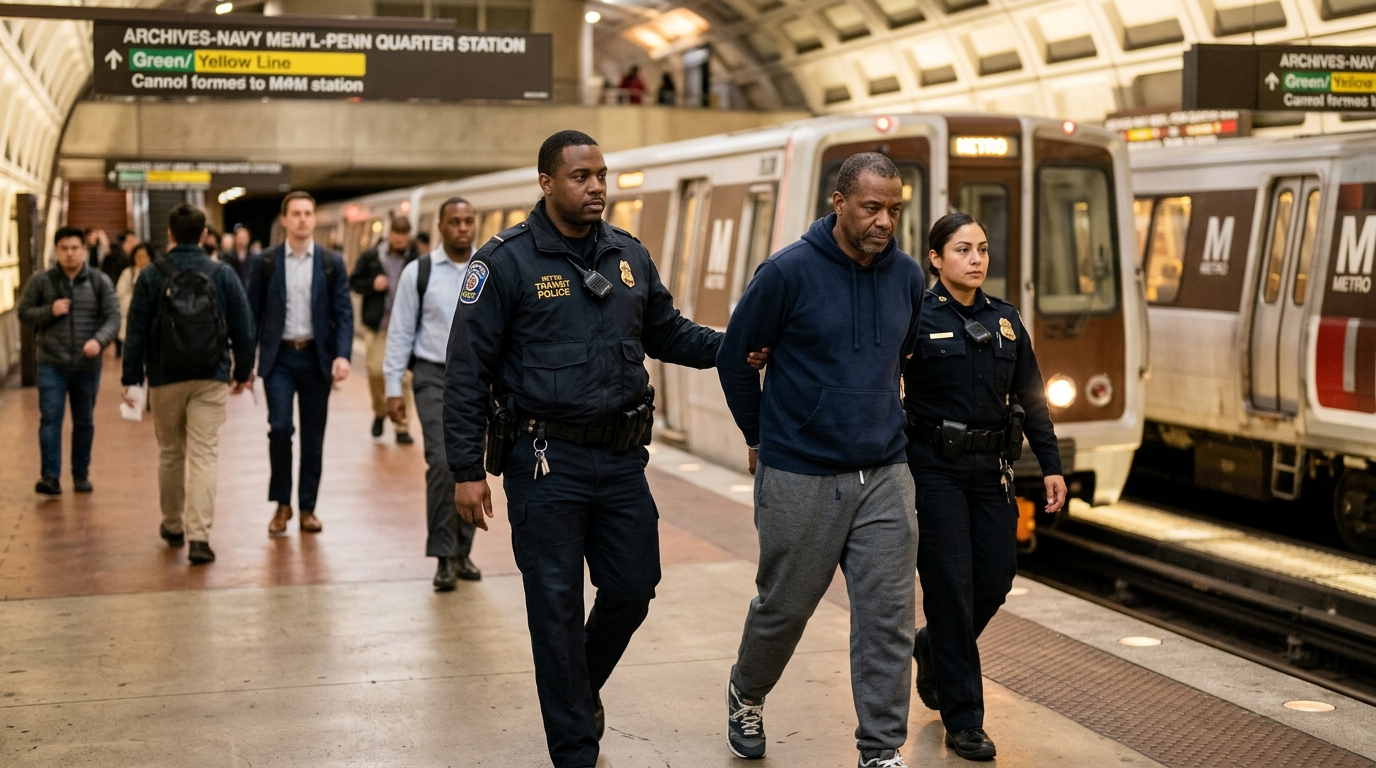
The daily commute on Washington D.C.'s Metro system, a lifeline for countless DMV residents, took a disturbing turn recently when a man previously identified as a participant in the January 6th Capitol riot was arrested for assault and battery. The arrest follows the widespread sharing of livestreams that allegedly captured the individual repeatedly touching women's hair without consent while riding the public transit system. This incident casts a spotlight on both the ongoing efforts to hold individuals accountable for past actions and the everyday challenges of ensuring public safety on shared transportation. For those who rely on the Metro to navigate the District, Maryland, and Virginia, the news is a stark reminder of the need for vigilance and the power of community observation.
The Incident Unfolds on Camera
The core of the arrest stems from video evidence, specifically livestreams, that circulated widely. These videos reportedly showed the man engaging in unwanted physical contact, specifically touching the hair of several women on Metro trains and platforms. While seemingly minor, such actions are a clear violation of personal space and can constitute assault, creating an uncomfortable and potentially threatening environment for victims. The proliferation of smartphones and social media has increasingly made public spaces, including transit systems, subject to constant documentation, often leading to the identification and apprehension of individuals engaged in illicit behavior. This case underscores the dual nature of public recording: a potential invasion of privacy for some, but a powerful tool for justice for others.Livestreamed video evidence played a critical role in identifying and apprehending the suspect in this Metro assault case.
The Metropolitan Police Department (MPD) and Metro Transit Police Department (MTPD) frequently rely on public tips and video evidence to investigate crimes. In an urban environment like the DMV, where millions move daily, the eyes and ears of the community, amplified by technology, are often invaluable. According to DC's Metropolitan Police Department, reporting suspicious activity and providing clear evidence, like video, is crucial for effective law enforcement response. From Capitol Steps to Metro Car: A Troubling Connection
What makes this particular arrest resonate deeply within the DMV community is the suspect's alleged past involvement in the January 6th Capitol riot. This connection raises questions about the individuals who participated in that historic event and their continued presence and conduct within the region. The Justice Department has been relentless in its pursuit of those involved in the riot, with hundreds of arrests made and investigations ongoing. The fact that someone identified from that day is now facing charges for a public transit offense highlights a continued commitment to accountability, regardless of the nature of the crime. The process of identifying individuals from January 6th has often relied on a combination of federal investigative resources and crowdsourced intelligence, much like the livestreams in this Metro incident. Many rioters were identified through their own social media posts, public videos, and even facial recognition technology. This ongoing effort by federal agencies, including the FBI's Capitol Violence webpage, demonstrates the long arm of justice.Understanding Assault and Battery on Public Transit
In the District of Columbia, "assault" typically refers to an attempt or threat to inflict injury, while "battery" is the actual unwanted physical contact. Even seemingly minor actions, such as deliberately touching someone's hair without permission, can fall under these definitions, especially if done with malicious intent or to harass. The Metro system, while a public space, is not exempt from these laws, and riders have a right to feel safe and unmolested. The Washington Metropolitan Area Transit Authority (WMATA) and its police force (MTPD) have a mandate to ensure the safety of millions of riders each year. Incidents like this, though perhaps not violent in the traditional sense, erode public trust and make riders, particularly women, feel vulnerable. Efforts by WMATA to enhance safety and security are continuous, including increased police presence, surveillance cameras, and public awareness campaigns encouraging riders to report all incidents.The Role of Citizen Vigilance and Reporting
The critical role played by the livestreams in this arrest cannot be overstated. In an age where almost everyone carries a camera in their pocket, the ability of ordinary citizens to document and share incidents has become a powerful force for accountability. However, vigilance also comes with responsibility. While sharing information can aid law enforcement, it's equally important to report directly to authorities. The MTPD encourages riders to use their official channels, such as the "See Something, Say Something" campaign or their dedicated app, to report incidents quickly and directly. This ensures that trained officers can respond appropriately and gather evidence in a legally sound manner. This incident serves as a potent reminder that public spaces require collective stewardship. When individuals feel empowered and safe enough to document and report inappropriate behavior, it creates a stronger deterrent and a more secure environment for everyone.What This Means for DMV Riders
For residents across Washington D.C., Maryland, and Northern Virginia who depend on the Metro, this arrest reinforces the message that unwanted physical contact and harassment will not be tolerated. It also highlights the efficacy of modern technology and community reporting in holding individuals accountable. While incidents can be unsettling, the swift action taken by law enforcement in response to public evidence should offer some reassurance that the system is working to address these concerns. Riders are encouraged to remain aware of their surroundings, trust their instincts, and never hesitate to report anything that makes them feel unsafe or uncomfortable.Advertisement