Camden Yards: Over Three Decades of Reshaping Ballpark Design in Baltimore and Beyond
Share this article
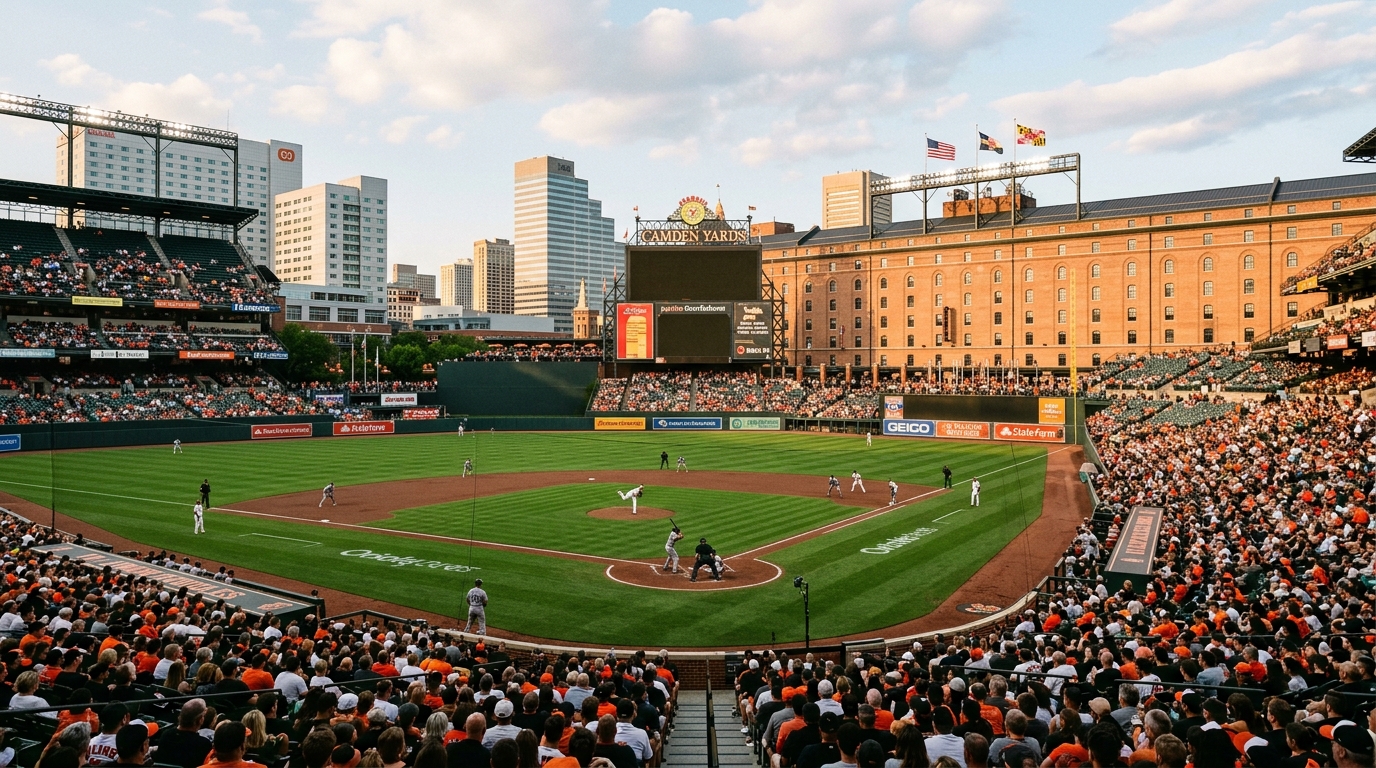
On April 6, 1992, Major League Baseball witnessed a pivotal moment in its history when Rick Sutcliffe threw the first pitch at Oriole Park at Camden Yards. This opening day heralded not just a new home for the Baltimore Orioles, but a revolutionary shift in how baseball stadiums were conceived and integrated into urban landscapes. Over three decades later, Camden Yards remains a celebrated architectural landmark, recognized for its profound influence on modern ballpark design.
Before Camden Yards, many stadiums across the United States were often multi-purpose concrete behemoths, designed to accommodate both baseball and football. These "cookie-cutter" venues, while efficient, frequently lacked character and a strong connection to their surrounding cities. Baltimore's new ballpark, however, broke this mold, offering a fresh vision that blended nostalgia with contemporary functionality.
A Return to Classic Ballpark Aesthetics
The design philosophy behind Camden Yards was a deliberate departure from the prevailing trends of the late 20th century. Architects sought to evoke the intimate, brick-and-steel charm of classic ballparks like Fenway Park and Wrigley Field, while incorporating modern amenities and sightlines. This "retro-classic" approach was groundbreaking, featuring natural grass, an asymmetrical outfield, and a prominent brick facade that mirrored the historic B&O Warehouse adjacent to the park.
The integration of the 19th-century B&O Warehouse along Eutaw Street was a stroke of genius, creating a distinctive backdrop and a unique urban feel that immediately set Camden Yards apart. This blend of old and new, tradition and innovation, made the stadium feel both timeless and cutting-edge upon its debut. The design rejected the isolated, suburban stadium model, opting instead for a vibrant, downtown location.
Urban Revitalization and the "Camden Yards Effect"
Beyond its aesthetic appeal, Oriole Park at Camden Yards played a crucial role in the revitalization of downtown Baltimore. Located just a few blocks from the city's iconic Inner Harbor, the stadium became an anchor for economic development and a catalyst for increased foot traffic and tourism. Its success demonstrated that a well-designed sports venue could be a powerful engine for urban renewal, drawing people back into city centers.
The impact of Camden Yards, often dubbed the "Camden Yards Effect," resonated throughout Major League Baseball and beyond. Its success prompted a wave of new ballpark construction throughout the 1990s and early 2000s, with many teams emulating its design principles. From the brickwork and intimate seating bowls to the emphasis on local character and urban integration, its influence is visible in nearly every modern MLB stadium built since its opening.
According to MLB.com's official Orioles page, the ballpark consistently ranks among the most beloved stadiums, not just by Orioles fans, but by baseball enthusiasts nationwide. Its unique charm and fan-friendly design have ensured its enduring popularity and status as a must-visit destination for those experiencing the DMV region.
An Enduring Legacy for Baltimore and Baseball
Today, Oriole Park at Camden Yards continues to be a source of pride for Baltimore and a testament to visionary design. It has hosted countless memorable games, including Cal Ripken Jr.'s record-breaking 2,131st consecutive game, cementing its place in baseball lore. The stadium's commitment to the fan experience, from its diverse food offerings to its sightlines, remains a benchmark for others.
The Maryland Stadium Authority, responsible for the facility, continues to maintain and enhance the park, ensuring it remains a state-of-the-art venue while preserving its classic appeal. For more information on the stadium's impact on local development, resources from the Maryland Stadium Authority provide historical context and operational details. Its legacy extends beyond baseball, showcasing how thoughtful urban planning and architectural innovation can create lasting cultural and economic benefits for a community.
As the DMV region reflects on the enduring presence of Camden Yards, its story serves as a powerful reminder of how design can shape experience, revitalize communities, and establish a new standard for an entire industry. Its influence is a permanent fixture in the history of sports architecture and a jewel in Baltimore's crown.