Bowser's Proposed $469 Million Cuts: What the 2027 DC Budget Means for Residents
Share this article
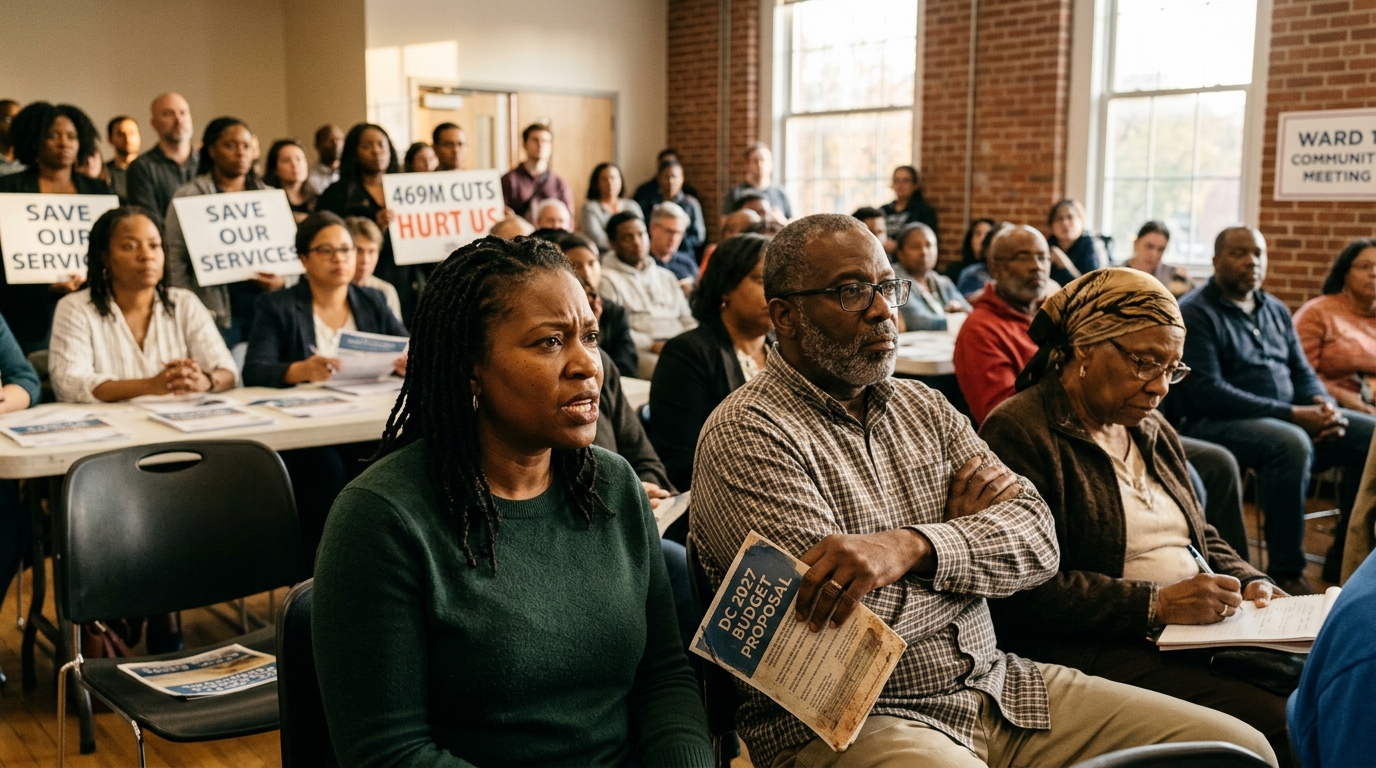
Washington, D.C. Mayor Muriel Bowser has unveiled a challenging fiscal blueprint for the District's 2027 budget, proposing significant cuts totaling $469 million from a $21.2 billion overall spending plan. The proposal, which now heads to the D.C. Council for review, signals a tough financial outlook for the nation's capital, with direct implications for public services, city employees, and vulnerable residents.[1]
Among the most impactful changes outlined in the Mayor's budget are decisions to delay pay raises for the District's firefighters and reductions to crucial programs aimed at addressing homelessness and supporting paid medical leave. These proposed adjustments reflect a tightening fiscal picture, requiring difficult choices that will resonate across various segments of the D.C. community.
Navigating a Tight Fiscal Landscape
The District's financial health has been a subject of ongoing discussion, with city officials grappling with evolving economic conditions and the long-term impacts of the pandemic. The proposed $21.2 billion budget for fiscal year 2027 aims to balance essential city operations with a need for fiscal prudence. However, this balancing act comes at a cost, as evidenced by the substantial cuts proposed.[1]
Understanding the budget process is key for D.C. residents. After the Mayor submits her proposal, the D.C. Council undertakes a comprehensive review, holding public hearings where residents can voice their concerns and priorities. The Council then makes amendments before a final vote, shaping the city's spending for the upcoming fiscal year. This iterative process ensures community input, though the initial framework laid out by the Mayor often sets the tone for subsequent discussions.
Impact on Public Services and Workers
One of the most immediate and tangible effects of the proposed budget cuts would be the delay of scheduled pay raises for D.C. firefighters. These dedicated first responders play a critical role in ensuring the safety and well-being of residents, and deferring their compensation increases could impact morale and recruitment efforts within the Fire and Emergency Medical Services Department (FEMS). The decision underscores the depth of the fiscal challenges facing the city, as even essential public safety personnel are not immune to budget tightening. This move could also set a precedent or signal potential impacts for other District employees in future budget cycles.
Challenges to the Social Safety Net
Beyond public safety, the Mayor's budget proposal also targets programs vital to the District's social safety net. Cuts to initiatives addressing homelessness are particularly concerning in a city that continues to grapple with housing insecurity and a significant unhoused population. Organizations working on the front lines to provide shelter, support, and pathways to stable housing rely heavily on city funding to sustain their operations. Reduced funding could lead to fewer resources, longer waitlists, and diminished capacity to help those most in need.
Additionally, the proposal includes cuts to the District's paid medical leave program. D.C.'s Paid Family Leave program, managed by the DC Department of Human Resources, provides vital income replacement for residents taking time off for personal or family medical needs. Any reduction in this program could place an increased financial burden on workers, particularly those in lower-wage jobs, who depend on these benefits to maintain economic stability during periods of illness or family care. These cuts could undermine efforts to create a more equitable and supportive environment for all D.C. workers.
What's Next for the District?
The Mayor's budget proposal is the first step in a multi-month process. The D.C. Council now has the critical task of scrutinizing every line item, hearing from agency heads, community advocates, and individual residents. Public engagement will be crucial in shaping the final version of the budget. Residents are encouraged to follow the Council's hearings and engage with their Ward representatives to express their priorities and concerns regarding these proposed cuts. The decisions made during this budget cycle will not only impact the city's finances but also the quality of life for thousands of D.C. residents for years to come.
📍 Local Resources
DHS provides a range of services for individuals and families experiencing homelessness, including shelter, housing assistance, and support programs.
OPFL administers the District's paid family leave program, offering benefits for qualifying life events such as personal illness, family care, and parental leave.
A non-profit organization working to end chronic homelessness in D.C. by providing healthy meals, case management, and advocacy.