Best Farmers Markets in the DMV: A Neighborhood-by-Neighborhood Guide
Share this article
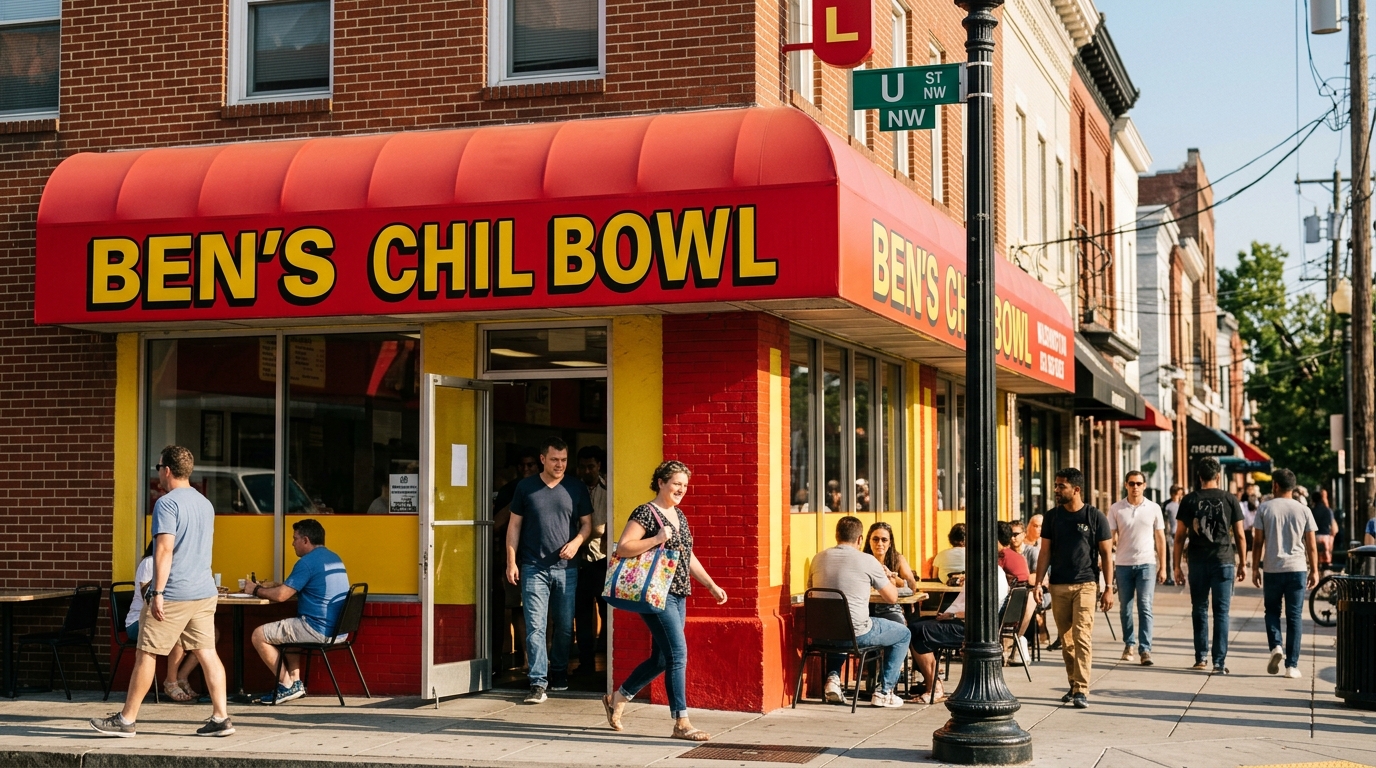
Finding weekday produce seconds, small-batch baked goods, or the best late-summer tomatoes often comes down to neighborhood choices. This guide maps the DMV's best farmers markets by neighborhood and gives practical details — addresses, typical hours, payment options, and what to expect during each season.
How to use this guide and planning basics
Start with a neighborhood: most weekly farmers markets in the DMV are concentrated near transit hubs and public squares. Before you go, check two things: (1) which vendors are scheduled that week and (2) accepted payments (cash, SNAP/EBT, Market Bucks, and local programs such as DC’s Produce Plus). Use official listings for up-to-date vendor rosters and weather-related cancellations.
Authoritative schedule sources include the District’s Open Data farmers market dataset and county park pages — bookmark them: Open Data DC — Farmers Market Locations and Fairfax County Park Authority — Farmers Markets. For federal listings and cross-checks use the USDA directory: USDA AMS Farmers Market Directory.
Washington, DC: Neighborhood picks (Dupont, Eastern Market, Columbia Heights, U Street)
The District has one of the densest weekly markets networks in the region. For a quick orientation, FRESHFARM runs multiple city markets — Dupont Circle, Mount Vernon Triangle, and Columbia Heights among them — and municipal datasets list locations and routine day/times. For the most accurate city schedule use Open Data DC or each market’s page before visiting.
Dupont Circle (FRESHFARM) — Why go: early-bird selection and a strong roster of small-batch bakers, local dairies, and seasonal produce. Typical hours: Sundays 8:30 a.m.–1 p.m. [verify: exact seasonal times]. Location: 19th & Q St NW (Dupont Circle). More on popular DC markets: Washington.org — Farmers Markets in DC.
Eastern Market (Capitol Hill)
Eastern Market at 225 7th St SE is both a year-round public market building and an outdoor producers’ market on Saturdays that draws chefs and families alike. Expect butchers, fresh fish stalls in the main building, and a lively outdoor tent market on Saturdays and Sundays. For programming and seasonal events check the Eastern Market official site or civic pages. [verify: Saturday market start times and vendor lists]
Columbia Heights & U Street
Columbia Heights (often listed as FRESHFARM Columbia Heights at 1400 Park Rd NW) is a convenient mid-city option with a mix of produce vendors and prepared foods — great for weekday shopping or a Saturday brunch stop. U Street markets and occasional pop-ups are worth watching for evening farmer-and-food-truck pairings; check neighborhood association calendars for pop-up schedules. FRESHFARM listings often appear in the city dataset: Open Data DC.
Maryland suburbs: Bethesda, Silver Spring, and Montgomery County favorites
Montgomery County and the I-270 corridor host several high-quality markets that are easy to reach from DC by Metro and bus. Bethesda and Silver Spring both have high-footfall markets where small farms, bakeries, and artisanal producers congregate. Before you go, verify parking rules and weekend street closures if you’re driving.
Bethesda Central Farm Market — location: Bethesda Central Business District / Woodmont Triangle area [verify: exact address]. This market runs throughout the growing season and is known for a wide mix of produce and chef-driven prepared foods. Silver Spring Farmers Market — location: Fenton Street Plaza/ Ellsworth Drive area [verify: official plaza address and seasonal schedule] — frequently features extended hours and a larger late-summer crowd.
Montgomery Parks markets
Montgomery Parks lists all county-run markets and seasonal schedules; it’s the best source for vendor and day-of-week updates: Montgomery Parks — Farmers Markets. Many Montgomery County markets accept SNAP/EBT and participate in county nutrition incentive programs; check the county page or the market kiosk at arrival for tokens and redemption instructions. [verify: specific incentive names and token values at each market]
Northern Virginia: Old Town Alexandria, Reston, Mosaic District, and Fairfax
Northern Virginia markets blend suburban access with farmers who sell directly from family farms. The Fairfax County Park Authority oversees a network of markets; Fairfax markets and Reston are notable for their vendor stability and family-friendly programming.
Reston Farmers Market (Lake Anne or Reston Town Center depending on season) — official details and vendor listings are on the Fairfax County Reston market page: Reston Farmers Market — Fairfax County. Reston is a reliable source for local microgreens, eggs, and prepared foods. Mosaic District in Fairfax County has a strong weekend market that combines boutique vendors and produce; check the Mosaic District calendar for event pairings.
Old Town and Alexandria Markets
Old Town Alexandria’s market near Market Square is a neighborhood staple; vendors rotate seasonally with seafood, farm poultry, and specialty goods. The city’s visitor page and local government recreation pages provide operative schedules and parking details: [verify: Old Town Farmer’s Market exact corner and hours]. For county-wide listings consult the Fairfax County Park Authority page: Fairfax County — Farmers Markets.
Specialty markets and year-round options — Union Market, Urban Markets, and indoor halls
Not all the best markets are seasonal tents. Several indoor markets and market halls in the DMV operate year-round and combine restaurants with weekend farmer stalls. Union Market in Northeast DC is a hub for specialty producers and small batch food makers; verify vendor weeks and hours on the market’s official site before you go. Indoor markets are particularly useful in winter for consistent access to prepared foods and greenhouse-grown produce.
Union Market (Northeast DC) blends boutique food stalls and rotating farm vendors; it’s a good stop in colder months. Eastern Market’s indoor vendors — butchers, bakers, and hot meal stalls — make it a multi-season destination. For curated lists of year-round markets, consult regional tourism pages and the USDA directory: USDA Farmers Market Directory and local market homepages.
When to choose an indoor market
Choose indoor halls for convenience (consistent hours), prepared food variety, and when you need pantry staples plus fresh items in winter. If you’re buying late-season root vegetables or greenhouse-grown greens, indoor markets usually have a steadier selection. Indoor markets often have different payment systems, so look for SNAP/EBT signage at each stall or at a centralized information kiosk.
Money, benefits, and affordability: SNAP, Produce Plus, and market tokens
Payment options are a major reason to choose one market over another. Many DMV markets accept cash, but the best neighborhood markets also accept SNAP/EBT, and several participate in incentive programs that multiply your purchasing power for fruits and vegetables.
In Washington, DC, the Produce Plus program provides eligible residents with a monthly credit (up to $40) to spend on fresh produce at participating farmers markets; details and eligibility are on the DC Health Produce Plus page: DC Health — Produce Plus Program. Many county markets in Maryland and Virginia also accept SNAP/EBT and run match or Market Bucks programs; check Montgomery Parks or Fairfax County Park Authority pages for program details: Fairfax County Park Authority.
How tokens and redemptions work
Most markets convert SNAP card swipes into wooden tokens or printed vouchers you then use with vendors. Markets that offer incentive matches will provide additional tokens at the redemption table (e.g., “$1 for $1 match up to $10” — [verify: match amounts vary by market]). Always ask the market information table on arrival how SNAP and market incentives are distributed that day.
Seasonal calendar: what to expect by month
Farmers market inventory shifts quickly through the growing season. A neighborhood plan helps: early spring is rhubarb and baby greens; late spring brings asparagus and strawberries; summer is peak for tomatoes, corn, and summer stone fruit; fall is squash, apples, and late tomatoes; winter markets rely on root vegetables, cabbages, and greenhouse or stored produce.
For planning, consult both market pages and farm-specific social feeds: many farms post crop updates and market locations weekly. Federal and local agricultural extension services also publish planting and harvest calendars that help predict availability — an example resource is the USDA’s local food pages: USDA AMS. If you’re chasing a specific crop (e.g., heirloom tomatoes), arrive early on the market day as specialty varieties sell out quickly.
Late-season strategies
In October and November, prioritize squashes, apples, storage potatoes, and root vegetables. Many markets run harvest festivals with prepared-food vendors and activities; check market event calendars. If you rely on weekly staples, ask a vendor about CSA shares (community-supported agriculture) to secure weekly boxes through winter.
Neighborhood cheat-sheet: addresses, transit, and local tips
The following quick-reference items highlight neighborhood location, transit advice, and a short tip to help you choose which market fits your routine.
Dupont Circle (FRESHFARM) — Location: 19th & Q St NW; best for baked goods and early pick of produce. Transit: Dupont Circle Metro (Red). Tip: Come 8:30–9 a.m. for best selection and smaller lines. [verify: vendor roster changes seasonally]
Eastern Market — Location: 225 7th St SE; best for indoor stalls, seafood, and butchery. Transit: Capitol South/ Eastern Market Metro stations. Tip: Arrive late morning for prepared foods, or early for produce haul. [verify: indoor vendor hours]
Columbia Heights — Location: 1400 Park Rd NW (FRESHFARM listing in Open Data DC). Transit: Columbia Heights Metro (Green/Yellow). Tip: Great midweek or Saturday stop when combining errands with grocery runs: Open Data DC market dataset.
Reston Farmers Market — Location: Check Fairfax County page for site specifics and seasonal moves: Reston — Fairfax County. Transit: Car access / Reston local bus. Tip: Family-friendly with a regular music program and reliable egg vendors.
Bethesda Central — Location: Woodmont Triangle area [verify: exact corner]; best for a Saturday brunch + shopping loop. Transit: Bethesda Metro (Red). Tip: Weekends bring local chefs and specialty food trucks.
Market etiquette, packing list, and sustainable shopping tips
Respect vendor time and other shoppers by arriving with a plan: reusable produce bags, a cooler for temperature-sensitive items, small bills for tipping, and a list. If you plan to linger with family or pets, check the market rules — some markets restrict pets or bicycles near vendor lines.
Pack: reusable bags, produce bags for greens and bulk, insulated bag for dairy/eggs, small wallet with cash and card, and a folding cart if you plan a large haul. Tip: buy imperfect produce — vendors often mark down seconds late in the market, which is a smart way to save. If you’re buying meat or fish, ask about same-day storage instructions and ask for recommended cooking times; many small producers provide printed storage/cook info.
Sustainability choices
Bring your own containers for bulk grains or coffee where allowed (ask the vendor), avoid single-use plastics, and support vendors using minimal packaging. Buying in-season reduces food-miles and supports working farms; talk to farmers about how their produce is grown — many will explain soil practices and pest management on request.
Frequently Asked Questions
1. How do I know if a market accepts SNAP/EBT or Produce Plus?
Look for signage at the market information kiosk and check the market’s official listing. In DC, Produce Plus participants receive a monthly benefit that is redeemable at participating markets; details and enrollment are on the DC Health Produce Plus page: DC Health — Produce Plus Program. For county markets in Maryland and Virginia, check the county parks or market page (e.g., Montgomery Parks or Fairfax County Park Authority) for SNAP acceptance and incentive programs.
2. When are the busiest times at the major markets?
Peak crowds typically arrive between 10 a.m. and noon on Saturdays and Sundays. If you want the best selection with fewer people, arrive at opening time. Conversely, if you want discounts on seconds, aim for the last 30–60 minutes before market close and ask vendors about markdown policies.
3. Are markets cash-only?
More markets accept cards now, but many vendors prefer cash for small transactions. Markets that accept SNAP/EBT usually convert card value into tokens for vendors — there will be a central redemption table for that service. Check market pages in advance for card acceptance details.
4. Can I park near markets or should I use transit?
Transit is often faster in city neighborhoods (Dupont, Eastern Market, Columbia Heights). For suburban markets (Reston, Bethesda), parking is typically available but sometimes limited during special events. Check market or municipal pages for street closures, parking rules, and recommended transit options; for DC neighborhood locations the Open Data DC dataset also shows coordinates for planning.
5. How do I find vendor lists and weekly specials?
Most markets post weekly vendor rosters on their official pages or social media. For municipal markets, consult county park pages or the Open Data DC farmers market dataset to find routine listings and links to vendor pages. For farm-specific updates follow the farms you like on social media or sign up for their CSA e-mails.
Use the quick actions below to jump to authoritative resources and to enroll in food-access programs.
Explore more on this topic
Related Stories
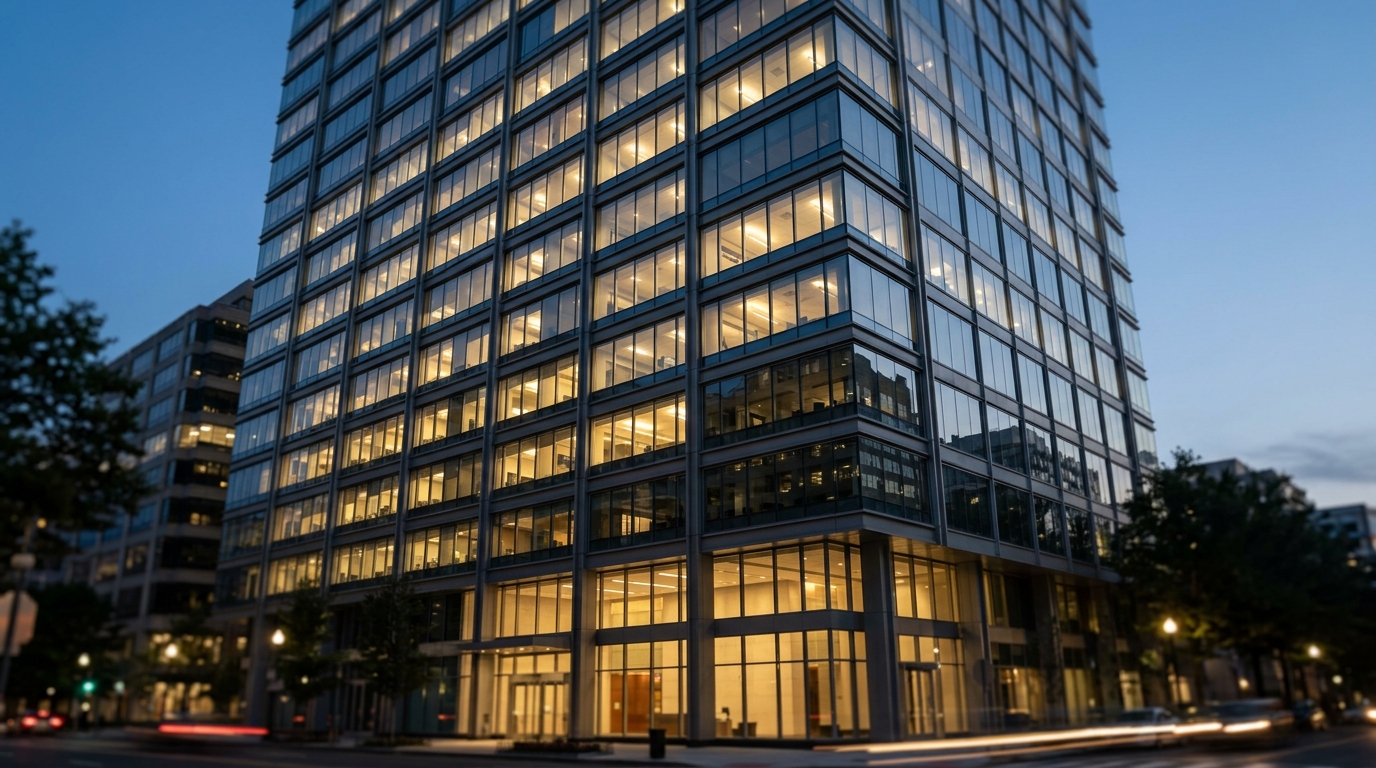
Isaac's Poultry Market Serves Up Game Day Essentials for DMV Fans
Isaac's Poultry Market, a local favorite with locations in D.C. and Montgomery County, recently showcased its game day offerings on FOX5DC, highlighting convenient and delicious options perfect for any sporting event.
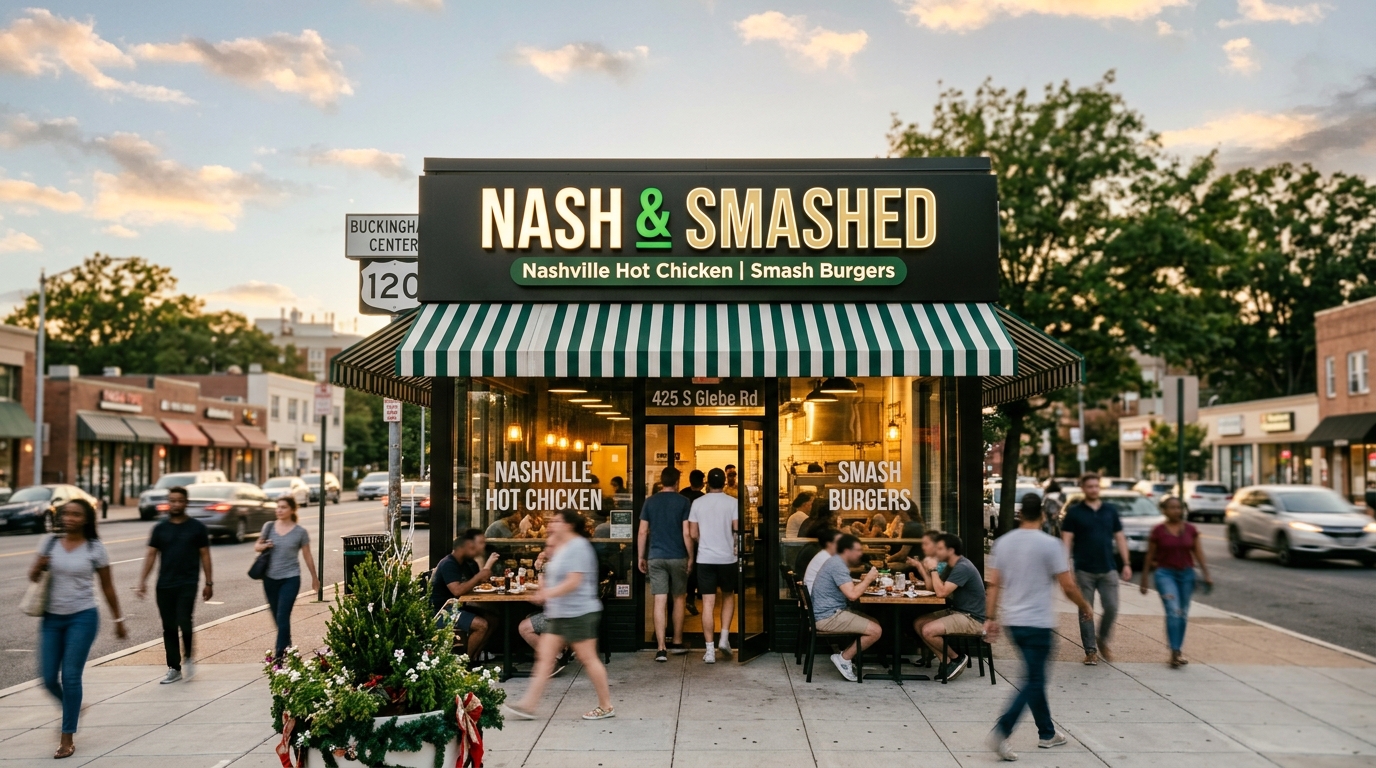
Nash & Smashed Brings Nashville Hot Chicken and Smash Burgers to Arlington's Buckingham Center
Nash & Smashed has opened its doors in Arlington's Buckingham Center, bringing Nashville-style hot chicken and smash burgers to Glebe Road. The new eatery offers a fast-casual option for residents craving spicy fried chicken and perfectly seared burgers.
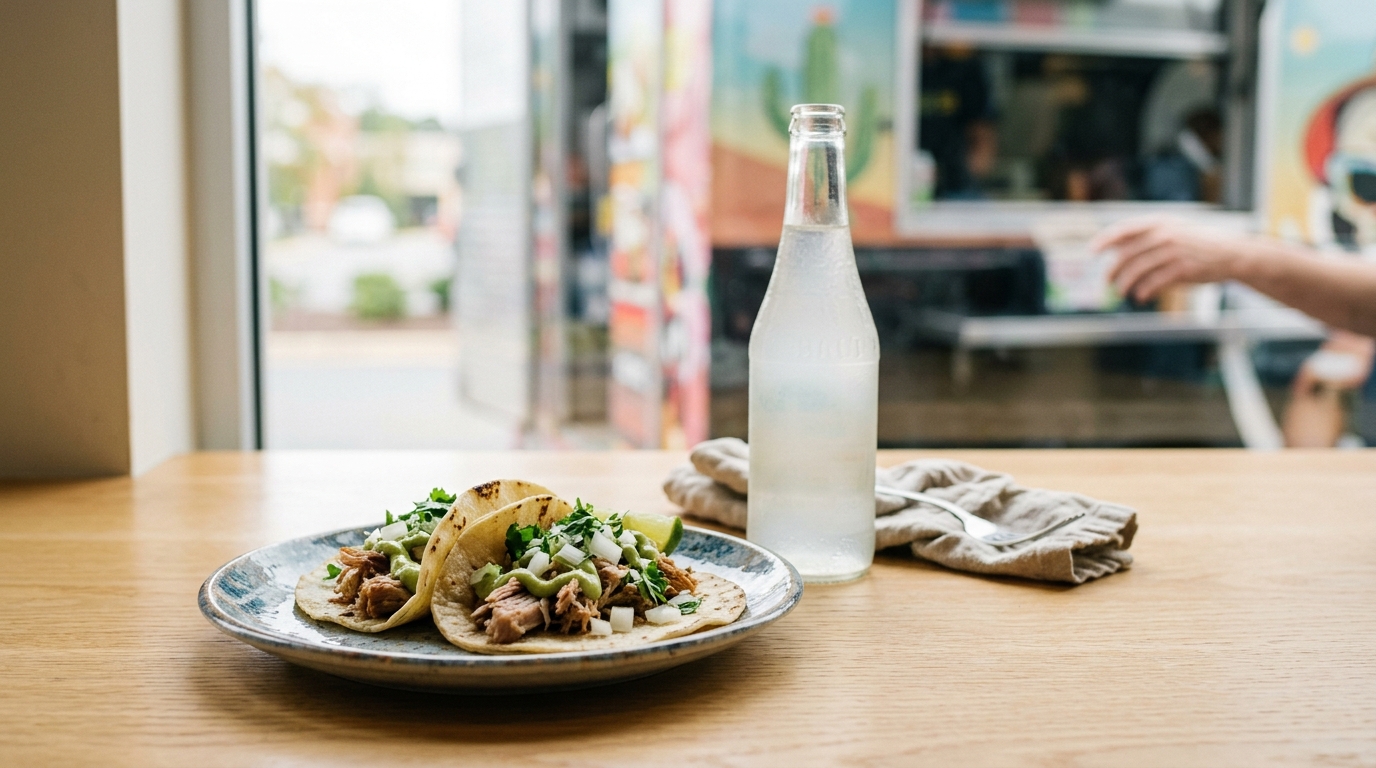
Fairfax County Eyes Major Zoning Overhaul to Boost Food Trucks, Local Businesses
Fairfax County staff are proposing significant changes to zoning rules, aiming to offer more flexibility for food trucks, child care centers, and various service businesses across commercial, industrial, and some residential districts. This move could streamline operations for local entrepreneurs and provide greater convenience for residents.